
The global baby products market is worth $382.9 billion in 2026, according to Grand View Research. Online baby product sales are growing at 8.7% per year. And there are already 22,000+ baby stores on Shopify.
So the opportunity is real. But here's the thing: parents don't buy from just anyone. They research. They read reviews. They call your store before placing a $200 order for a crib or a car seat. If your store doesn't feel trustworthy, they'll bounce to a brand that does.
Most guides on starting a baby products Shopify store show you how to pick a theme and add products. This one goes further. You'll learn how to choose a niche, set up your store, handle safety compliance, build a customer service system that actually works, and study what the best baby brands on Shopify are doing right.
Hear what AI support calls sound like for your store. Just paste your Shopify URL and get sample calls in under 20 seconds, no email required. Listen to demo calls for my store.
Why baby products are one of the strongest Shopify niches
Parents in the US spend an average of $29,419 per year raising a small child, according to a 2025 LendingTree report. That's up 35.7% from just two years earlier. A big chunk of that goes to products: clothing, gear, skincare, food, and nursery furniture.
Here's what makes baby products especially attractive for Shopify sellers:
- High average order value: Strollers, car seats, and cribs regularly sell for $150-$500+. Even basics like organic sleepwear or swaddles can hit $40-$80.
- Natural repeat purchases: Babies grow fast. Parents buy new clothing sizes every few months, reorder diapers and wipes constantly, and upgrade gear as their child hits new milestones.
- Subscription potential: Consumables like diapers, formula, and skincare are perfect for recurring revenue. Brands like Serenity Kids have built their entire model around subscriptions.
- Emotional buying: Parents will pay more for products they trust are safe. Price sensitivity drops when your child's wellbeing is involved.
- Growing online share: The online baby products retailing market is projected to reach $26.33 billion by 2032, up from $13.29 billion in 2024.
The bottom line: baby products combine high AOV, strong repeat purchase behavior, and emotional loyalty. That's a recipe for a profitable ecommerce business.
How to pick a baby products niche that isn't oversaturated
Trying to sell everything from strollers to baby food to nursery decor is a losing strategy. Amazon already does that. Your edge is focus.
The most successful baby Shopify stores own a specific niche. Here are categories with room to grow:
- Organic and eco-friendly products: Bebemoss sells handmade, GOTS-certified organic toys. Natural Baby Shower focuses entirely on sustainable gear. Parents who care about ingredients and sourcing will pay a premium.
- Specific age ranges: Newborn-only stores (0-3 months) can go deep on swaddles, sleep aids, and feeding. Toddler-focused stores tackle safety gear, learning toys, and transition products.
- Safety-first gear: Car seats, baby monitors, crib mattresses. High-trust, high-AOV products where parents research extensively before buying.
- Cultural and specialty items: Bilingual toys, cultural clothing, dietary-specific baby food. Underserved segments with loyal audiences.
- Premium basics: Kyte Baby built a massive following selling bamboo sleepwear at premium prices. The fabric story matters.
To validate your niche, check three things. First, search Shopify's theme store and app store for category depth. Second, look at Google Trends for your product keywords. Third, study the top 5-10 stores in that niche and identify what they're missing.
Don't pick a niche just because it's trending. Pick one where you can genuinely add value, whether that's better sourcing, better content, or better customer service.
One more thing: check the competitive landscape for phone support. If nobody in your niche offers a phone number on their site, adding one instantly sets you apart. Parents notice when they can actually call a store.
Setting up your baby products Shopify store step by step
Choose a theme that builds trust
Your theme isn't just about looks. For a baby store, it's a trust signal. Parents need to feel safe spending money with you before they've ever touched your products.
Pick a clean, modern Shopify theme with these features:
- Trust badge placement: Certifications, secure checkout icons, and return policy badges visible on every product page
- Mobile-first design: Parents browse on their phones during 2 AM feedings. If your store doesn't load fast on mobile, you're losing sales. Every second of load time costs roughly 7% in revenue.
- Soft, clean aesthetics: Pastel colors, plenty of white space, high-quality lifestyle photography. Think "calm nursery," not "loud toy store."
Themes like Dawn (free), Prestige, or Impulse work well for baby stores. Whichever you choose, test it on your phone first.
Product pages that convert anxious parents
Baby product pages need more detail than typical ecommerce pages. Parents are cautious buyers. Here's what to include:
- Safety certifications front and center: CPSIA compliance, CPSC testing, BPA-free labels. Put these near the Add to Cart button, not buried in a tab.
- Multiple images plus lifestyle shots: Show the product on a real baby, in a real nursery. Parents want to visualize it in their home.
- Detailed sizing and age guides: Baby clothing sizes vary wildly between brands. A clear size chart reduces returns and improves customer satisfaction.
- Review sections with photos: Nothing converts a hesitant parent like seeing another parent's baby using the product. Use Yotpo or Judge.me to collect photo reviews.
- FAQ sections per product: Answer the top 3-4 questions parents ask about that specific product right on the page.
Essential apps for baby stores
You don't need 50 apps. Here are the five that matter most:
| App | Purpose | Starting Price |
|---|---|---|
| Klaviyo | Email and SMS automation | Free up to 250 contacts |
| Yotpo or Judge.me | Customer reviews with photos | Free tier available |
| Recharge or Loop | Subscription management | ~$99/mo |
| Gorgias | Helpdesk and support tickets | ~$50/mo |
| Ringly.io | AI phone support | $349/mo |
Klaviyo is used by 96.5% of the top-performing Shopify stores for a reason. For baby stores specifically, lifecycle email flows (pregnancy, newborn, infant, toddler) are incredibly effective at driving repeat purchases and retention.
Safety compliance you can't afford to skip
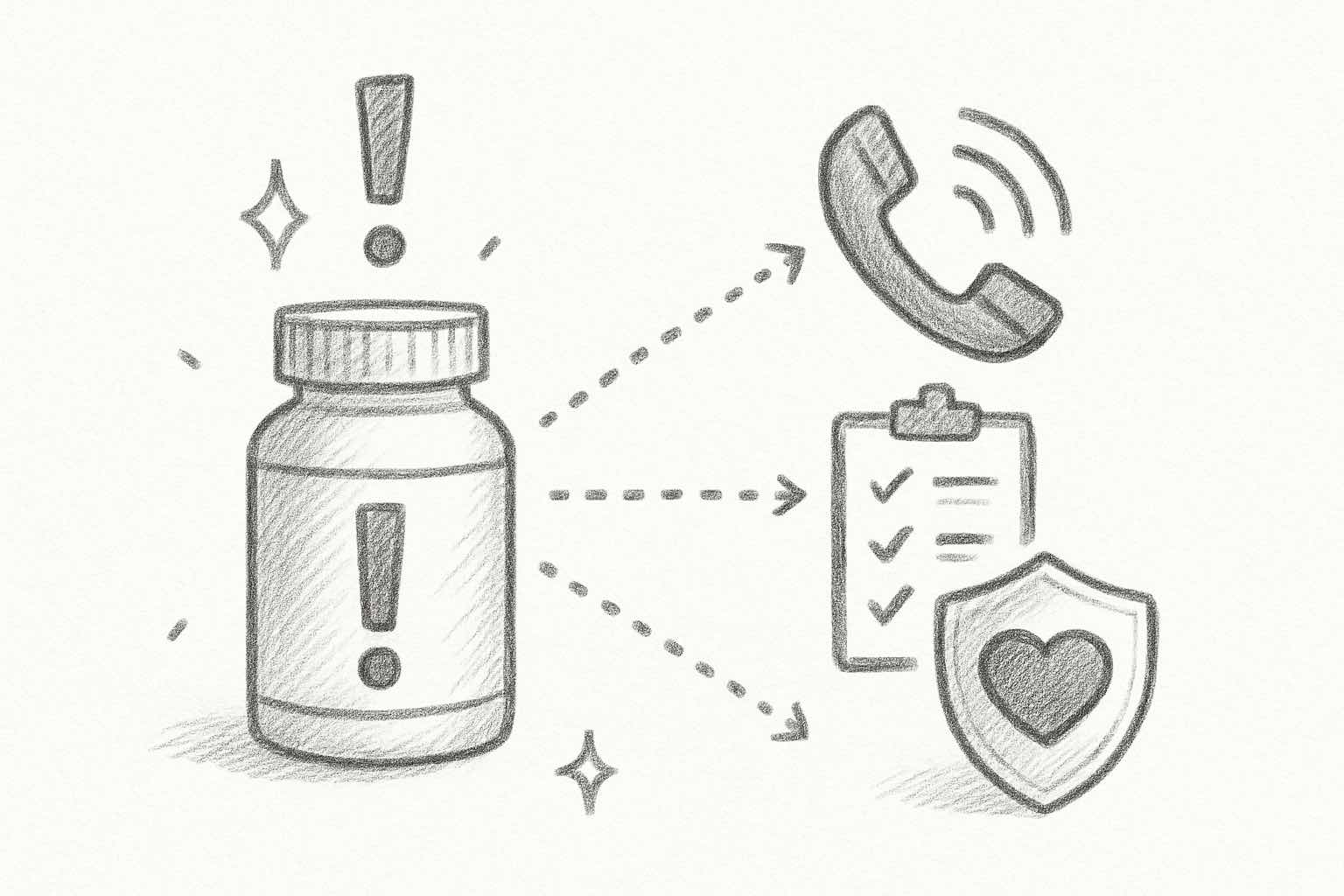
This is the section most "how to start a baby store" guides skip entirely. That's a mistake. If you sell children's products in the US, you're legally required to comply with the Consumer Product Safety Improvement Act (CPSIA).
Here's what you need to know:
- Who it applies to: Anyone selling consumer products designed for children 12 and under. That includes clothing, toys, furniture, feeding products, skincare, and gear.
- What's required: Products must be tested by a CPSC-accepted third-party laboratory before they can be sold. You then issue a Children's Product Certificate (CPC) confirming compliance.
- What's tested: Lead content limits, phthalate bans, flammability standards, small parts testing, and product-specific rules (cribs, strollers, car seats each have their own standards).
- The penalties are serious: Up to $100,000 per violation. Up to $15 million for a series of related violations. Criminal penalties can include up to 5 years in prison.
If you're dropshipping, you're still responsible. The importer or seller is on the hook for compliance, not just the manufacturer.
Here's how to display compliance on your store:
- Create a dedicated Safety page: List every certification your products carry
- Add certification badges to product pages: Near the price and Add to Cart button
- Include compliance info in product descriptions: "CPSIA compliant, tested by [lab name], CPC available on request"
- Be transparent about materials: List ingredients for skincare, materials for clothing, and components for gear
Parents actively look for this information. Making it easy to find builds trust and reduces the number of pre-purchase questions hitting your support team.
Customer service that makes or breaks a baby store
Here's a stat that should get your attention: 54% of customers who experience a shipping delay won't shop with that brand again. For baby products, that number is likely higher. When a parent orders a crib for their nursery due date, late delivery isn't an inconvenience. It's a crisis.
Baby product customers are different from typical ecommerce shoppers in a few key ways:
- They call more often: Parents have safety questions, sizing questions, and urgent needs that feel too important for email. They want a human (or at least a smart AI) on the phone.
- They shop at odd hours: Midnight feedings, 3 AM insomnia, early morning nursery planning. Your store needs to be available 24/7, not just 9-5.
- They expect fast responses: A parent wondering if a product is safe for their 4-month-old isn't going to wait 24 hours for an email reply. Response time directly correlates with conversion rate.
- Returns need to be painless: Babies outgrow things fast. A generous, easy return policy turns first-time buyers into loyal customers.
The challenge? Hiring a support team to cover 24/7 costs tens of thousands per year. Most small Shopify stores can't afford that.
That's where AI phone support fills the gap. Tools like Ringly.io put an AI agent on your phone line that can answer product questions, look up order status, process returns, and handle the most common calls without any human involvement. Ringly's AI resolves about 73% of calls automatically, works 24/7, and speaks 40 languages.
For a baby store, that means a parent calling at 2 AM about their order gets an answer immediately instead of voicemail. That's the kind of experience that builds loyalty.
See what AI phone support looks like for your baby store. Setup takes about three minutes.
Marketing strategies that work for baby brands
Baby products have a built-in advantage most niches don't: a predictable customer lifecycle. A parent who buys newborn swaddles will need 3-month clothing in 12 weeks. Then 6-month sizes. Then toddler gear. If you capture them early, you can market to them for years.
Here's what works:
- Lifecycle email flows: Segment by child's age. Send relevant product recommendations as the child grows. Klaviyo makes this straightforward with ecommerce personalization features.
- User-generated content: Parents love sharing photos of their babies. Encourage photo reviews, run hashtag campaigns, and feature real families on your product pages. UGC converts better than studio photography.
- Content marketing: Publish parenting guides, product comparison articles, and safety checklists. This drives organic traffic and positions your brand as an authority. Invest in ecommerce SEO from day one.
- Influencer partnerships: Partner with parent bloggers and Instagram creators. Micro-influencers (5K-50K followers) in the parenting space often have higher engagement rates than mega-influencers.
- Subscription offers: If you sell consumables (diapers, wipes, skincare), offer a subscribe-and-save discount. Even 10-15% off locks in recurring revenue and boosts customer lifetime value.
- Proactive post-purchase communication: Send shipping updates, delivery confirmations, and check-in emails after delivery. A strong post-purchase experience dramatically reduces "where is my order" support tickets.
Don't try all of these at once. Start with email flows and UGC collection. Layer in content marketing and influencer work once your operations are stable.
If you're looking for more detail on marketing your Shopify store, we've covered specific apps and tactics in a separate guide. The key insight for baby brands is this: trust-building content (safety guides, comparison charts, "how to choose" articles) converts better than promotional content almost every time.
7 baby products Shopify stores worth studying
These stores each do something exceptionally well. Study them for specific lessons, not just design inspiration.
| Store | Niche | Key Strategy | Lesson |
|---|---|---|---|
| Kyte Baby | Bamboo sleepwear | Premium fabric story | Material story = brand premium |
| Solly Baby | Baby wraps | Lifestyle branding | Aesthetics drive community |
| Serenity Kids | Baby food | Subscription model | Recurring revenue from day one |
| Frida | Solutions products | Bold, honest marketing | Authenticity sells in parenting |
| WildBird | Ring slings | Social proof | "As Seen On" builds credibility |
| California Baby | Natural skincare | Safety-first messaging | Ingredient transparency wins |
| Happiest Baby | Sleep technology | Innovation + authority | Expert backing converts |
Kyte Baby turned bamboo fabric into a cult following. Their sleepwear sells at premium prices because the brand story around softness, sustainability, and baby comfort is consistent across every touchpoint.
Serenity Kids challenged the baby food industry by leading with meat-based, low-sugar options. Their subscription model means customers don't just buy once, they stick around for months or years.
Frida is worth studying for marketing alone. Their "real parenting" messaging breaks from the polished, aspirational tone most baby brands use. It works because parents are tired of perfection.
California Baby has built decades of trust through ingredient transparency and allergy testing. If you're entering the baby skincare space, their approach to safety messaging is the benchmark.
Each of these stores has something in common: they don't try to sell everything. They go deep in one category and become the go-to brand for that specific need.
Something else worth noting: several of these stores list a phone number on their contact page. That alone signals a level of customer care that most dropshipping or generic baby stores don't offer. Parents equate phone access with legitimacy. If a store is willing to pick up the phone, it must stand behind its products.
You don't need to copy these stores. But study what makes their customers come back. In almost every case, it's trust, not price.
Scaling your baby store without burning out
Growing from 10 orders a day to 100 is where most baby store owners hit a wall. The work that was manageable (packing orders, answering emails, posting on Instagram) suddenly takes 12 hours a day.
Here's how to scale without hiring a full team:
- Automate repetitive support: Order tracking questions, return processing, and FAQ answers can all be handled by AI tools. This alone can cut your support workload by 50-70%.
- Add phone support without hiring: An AI phone agent handles the calls you can't take yourself. Parents get instant answers. You get your evenings back.
- Outsource fulfillment early: Once you pass 20-30 orders per day, a 3PL (third-party logistics provider) is almost always worth it. Your time is better spent on marketing and product development.
- Build systems before you need them: Set up your helpdesk, email automations, and customer service workflows while volume is low. Retrofitting systems under pressure is painful.
- Track your numbers: Monitor customer service KPIs like response time, resolution rate, and customer satisfaction. You can't improve what you don't measure.
The stores that scale successfully are the ones that invest in operations early. Not just marketing.
Try Ringly.io free for 14 days and get AI phone support answering calls for your baby store in under three minutes.
Frequently asked questions
How much does it cost to start a baby products Shopify store?
Shopify's Basic plan starts at $39/month. Add a domain ($14/year), a theme (free options work fine), and your initial inventory or supplier setup costs. Budget $500-$2,000 to launch a lean store, or $5,000+ if you're stocking your own inventory.
Do I need safety certifications to sell baby products online?
Yes. The CPSIA requires all children's products sold in the US to be tested by a CPSC-accepted third-party lab and accompanied by a Children's Product Certificate. Penalties for non-compliance can reach $100,000 per violation.
What are the most profitable baby product categories?
High-AOV categories like strollers, car seats, and nursery furniture offer the best per-order margins. Consumables like diapers and skincare generate lower per-order revenue but stronger lifetime value through repeat purchases and subscriptions.
How do I compete with Amazon selling baby products?
You don't compete on selection or price. You compete on trust, expertise, and experience. A focused niche, genuine safety messaging, expert content, and excellent customer service create a buying experience Amazon can't match.
Can I dropship baby products on Shopify?
You can, but proceed carefully. You're still legally responsible for safety compliance even as a dropshipper. Vet your suppliers thoroughly, request CPCs for every product, and test samples yourself before listing anything.
How do I handle returns on baby clothing?
Publish clear size guides with measurements (not just age ranges). Offer a generous return window of at least 30 days. Make the process easy with prepaid labels or a self-service portal. A smooth return experience actually increases repeat purchases and reduces overall refund rates over time.
Do baby product stores need phone support?
Baby products involve higher-stakes purchase decisions than most ecommerce categories. Parents want to ask questions about safety, sizing, and compatibility before buying. Stores that offer phone support see higher conversion rates and fewer abandoned carts. AI phone agents make this affordable even for small stores.
Your baby store's competitive advantage isn't your products
The stores that win in baby products aren't necessarily the ones with the best inventory. They're the ones that make parents feel confident about every purchase. That means clear safety information, fast and helpful customer support, and an experience that says "we understand what you're going through."
Whether you're just getting started or looking to scale an existing baby Shopify store, the operational foundation matters as much as the products on your shelves. Get the trust signals right, and the sales follow.
Ready to give your baby store 24/7 phone support? Start your free trial with Ringly.io. Setup takes three minutes, and your AI agent starts answering calls immediately.