

Customers expect to know exactly where their order is at every step.
In fact, 97% of shoppers want the ability to monitor their orders throughout the entire shipping process.
This expectation has made ecommerce order tracking an essential part of running an online store, not just a nice-to-have feature.
But here's the reality: even with the best tracking systems in place, customers still call asking "Where is my order?"
The question is how to handle both the digital tracking experience and the voice channel efficiently.
Let's break down what order tracking actually means for your business, which solutions work best, and how to build a complete tracking strategy that covers every customer touchpoint.
Editor’s note: Want to hear some sample AI support calls made for your Shopify store?
- Just paste your store URL
- Hear sample calls for your store (no email required)
- Listen to demo calls for my store
What is ecommerce order tracking and why does it matter?
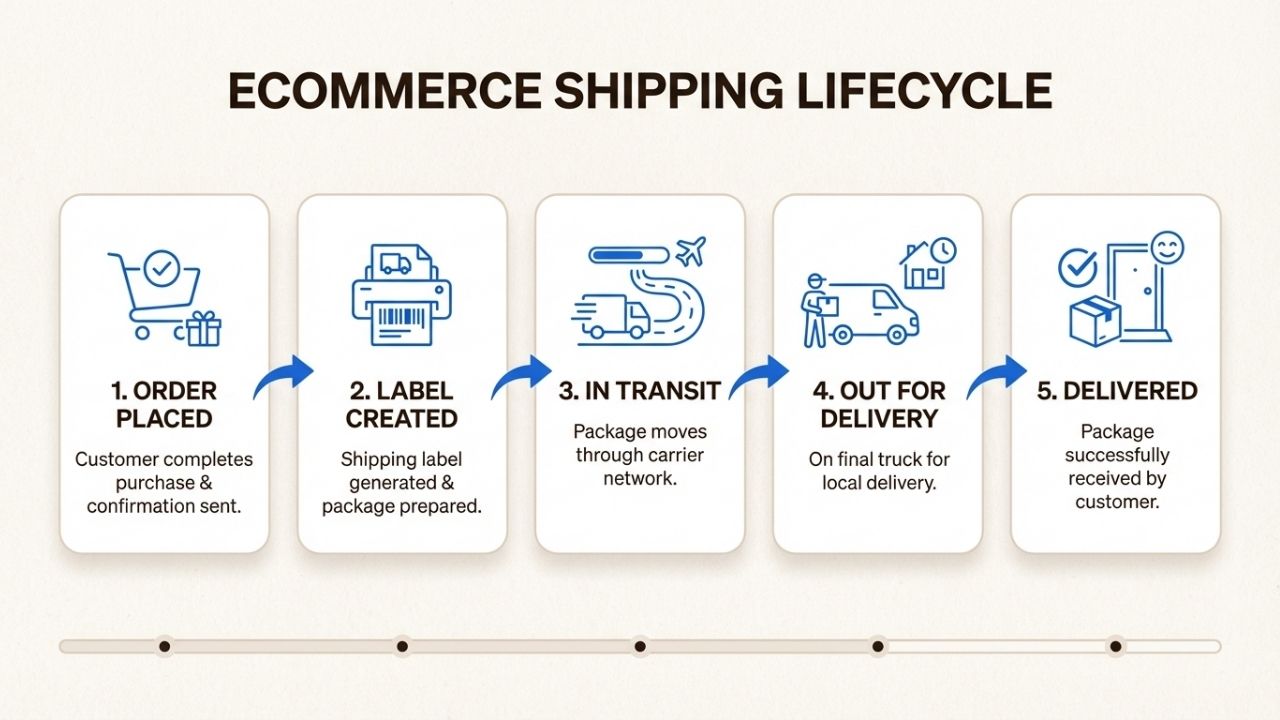
Ecommerce order tracking is the process of monitoring an order from the moment a customer clicks "buy" until the package arrives at their door. It involves tracking numbers, carrier updates, and status notifications that keep both you and your customers informed.
The shift in customer expectations happened fast. A decade ago, customers were satisfied with a simple "Your order has shipped" email. Today, they want real-time updates, estimated delivery dates, and the ability to check status instantly without contacting support.
This brings us to WISMO, or "Where Is My Order." It's the number one question customer service teams face. Without proper tracking infrastructure, these inquiries eat up hours of agent time and frustrate customers who just want a quick answer.
Even with self-service tracking portals, some customers prefer picking up the phone. That's where Ringly.io comes in. Our AI phone agent The AI handles order tracking calls 24/7, looking up orders and explaining tracking status without tying up your human team.
The business impact of order tracking
Investing in order tracking isn't just about customer satisfaction. It has measurable effects on your bottom line across multiple areas.
Reduced support costs
The numbers tell a clear story. AfterShip reports that businesses see a 65% reduction in WISMO tickets after implementing their tracking solution. Narvar customers experience up to a 40% drop in support tickets and a 50% decrease in call center costs.
Think about what that means in real dollars. If your team handles 500 tracking inquiries per month at $8 per interaction, that's $4,000 in monthly costs. Cut that by 50% and you're saving $24,000 annually just from better tracking.
Improved customer retention
Customers check their order status 3 to 4 times per order while waiting for delivery. Each tracking page visit is a touchpoint where you can reinforce your brand and build trust.
Transparency creates confidence. When customers can see exactly where their package is, they trust your business more. That trust translates into repeat purchases and long-term loyalty.
Revenue opportunities
Order tracking pages aren't just informational, they're marketing opportunities. Narvar reports that customers see a 10% higher conversion rate from tracking page cross-sells. When customers are already engaged and excited about their purchase, they're more likely to add something else to their cart.
Returns are another revenue opportunity. AfterShip's exchange-first approach helps businesses recover 50% of revenue that would otherwise be lost to refunds. Instead of simply returning an item, customers swap it for something else.
How order tracking works
Understanding the mechanics helps you choose the right solution and set proper customer expectations.
The tracking number lifecycle
It starts when you generate a shipping label. The carrier assigns a unique tracking number that follows the package through their network. As the package moves through sorting facilities and delivery routes, scanners update its status at each checkpoint.
These updates flow back to your tracking system through carrier APIs. Good tracking platforms normalize this data across hundreds of carriers, so you see consistent status updates regardless of which carrier handles the package.
Common tracking statuses explained
Most carriers use similar status codes, though the wording varies. Here's what customers typically see:
- Order received: The carrier has the shipping information but hasn't picked up the package yet
- In transit: The package is moving through the carrier's network
- Out for delivery: The package is on a local delivery truck and should arrive today
- Delivered: The package has been dropped off at the specified address
- Exception: Something unexpected happened (weather delay, address issue, failed delivery attempt)
Multi-carrier complexity
If you use multiple carriers (and most stores do), universal tracking becomes essential. Each carrier has its own tracking portal with different interfaces and update frequencies. A unified tracking solution pulls data from all carriers into one dashboard for you and one consistent experience for customers.
Proactive notifications vs. passive tracking pages
There are two approaches to keeping customers informed. Passive tracking requires customers to visit your tracking page and enter their order number. Proactive notifications push updates to customers via email, SMS, or push notifications without them needing to check manually.
The best approach combines both. Proactive notifications handle the heavy lifting, while a branded tracking page gives customers a place to check details whenever they want.
Top ecommerce order tracking solutions compared
Choosing the right tracking solution depends on your business size, carrier mix, and integration needs. Here's how the leading options stack up.
AfterShip
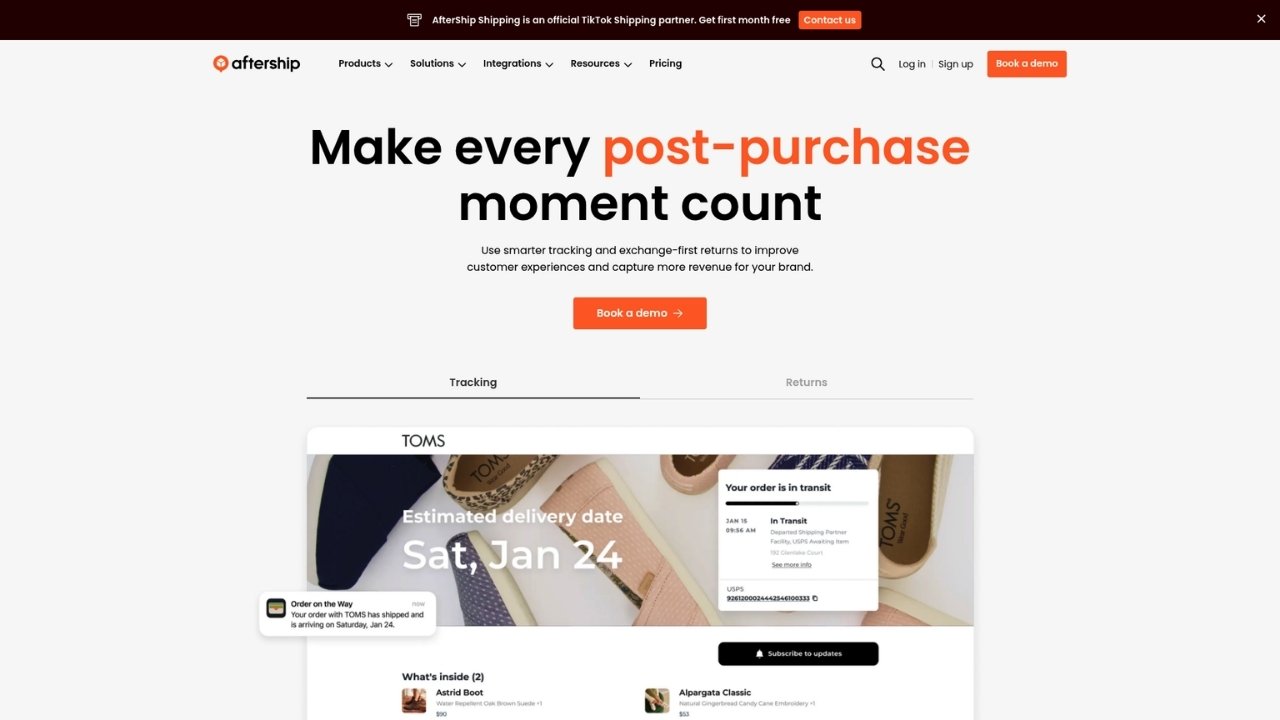
AfterShip is a post-purchase platform serving over 20,000 brands including eBay, Dime Beauty, and Pura Vida. The platform covers 1,200+ carriers with 95% delivery date accuracy.
Pricing:
| Plan | Monthly Price | Shipments | Key Features |
|---|---|---|---|
| Essentials | $11 | 100 | Basic tracking, email notifications |
| Pro | $119 | 2,000 | Branded tracking, returns management |
| Premium | $239 | 5,000 | Advanced analytics, API access |
| Enterprise | Custom | Unlimited | Dedicated support, custom features |
Best for: Mid-market brands that need returns management alongside tracking. The exchange-first returns flow helps recover revenue that would otherwise be lost to refunds.
Narvar
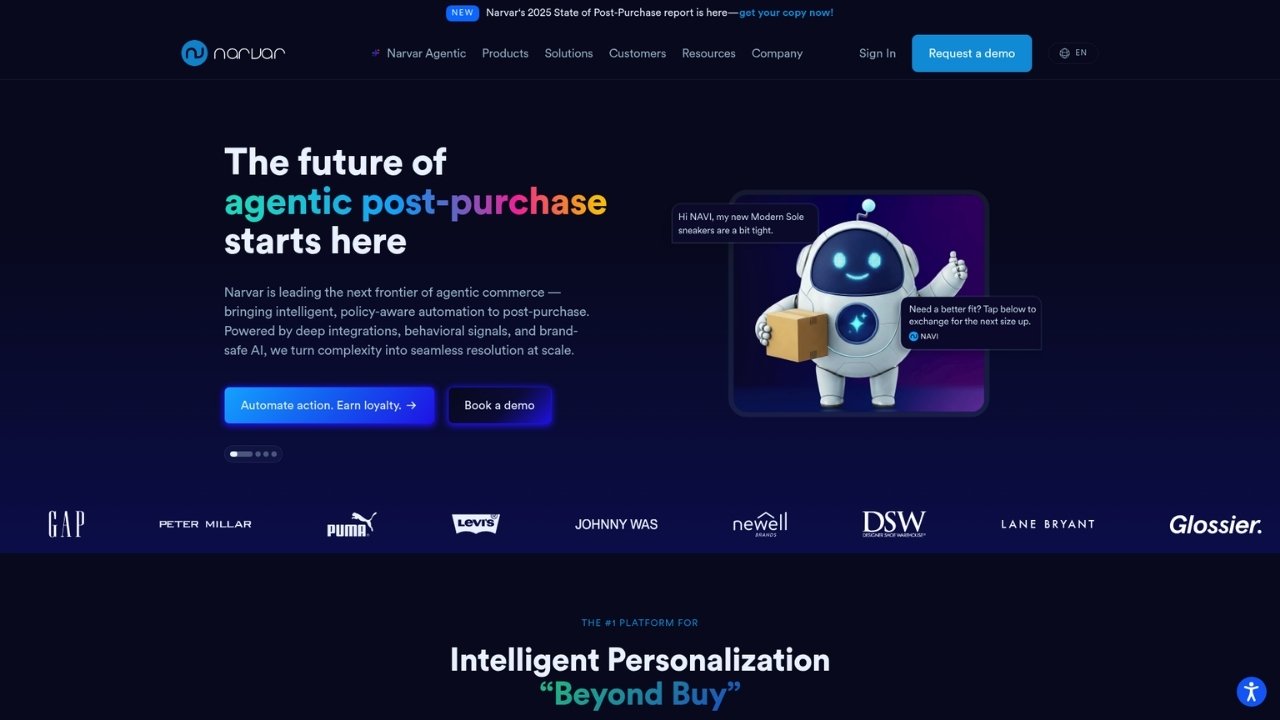
Narvar focuses on enterprise retailers. Their customers include GAP, Levi's, Sephora, and Lululemon. The platform emphasizes branded tracking experiences and customer engagement.
Pricing: Enterprise pricing is custom and requires a demo request.
Key stats:
- 3.2x tracking page visits per order (vs. industry average)
- Up to 40% reduction in support tickets
- 50% decrease in call center costs
- +10% higher conversion from tracking page cross-sells
Best for: Large retailers with complex omnichannel operations and high shipment volumes. The platform is built for scale and deep customization.
ShipStation
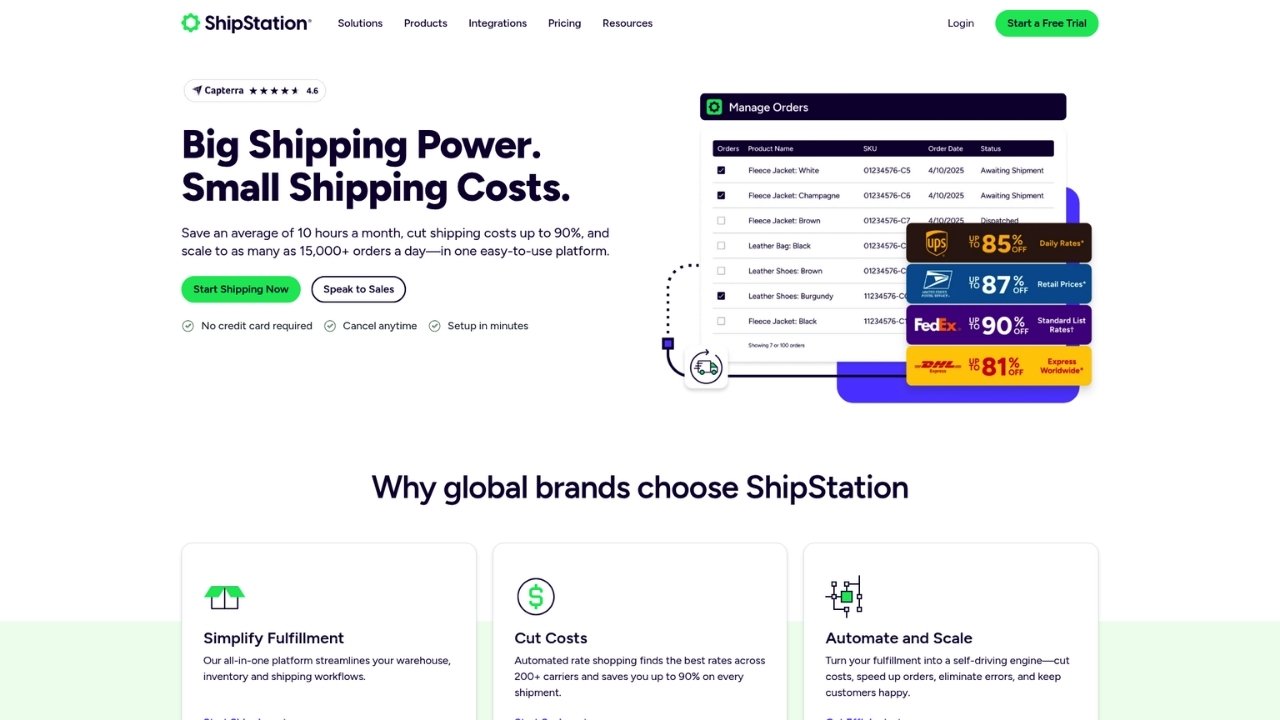
ShipStation is primarily a shipping software platform with robust tracking capabilities built in. With 130,000+ customers and over 1.5 trillion packages shipped, it's one of the most widely used solutions.
Pricing:
| Plan | Monthly Price | Shipments | Key Features |
|---|---|---|---|
| Starter | Free | 25 | Basic shipping, email support |
| Bronze | $9.99 | 500 | Automation rules, branded labels |
| Silver | $29.99 | 1,500 | User permissions, live chat |
| Gold | $59.99 | 3,000 | Multiple users, advanced reporting |
| Platinum | $89.99 | 6,000 | Premium support, custom branding |
| Enterprise | $159.99 | 10,000+ | Dedicated account manager |
Best for: SMBs that want an all-in-one shipping and tracking solution. The carrier discounts (80-90% off standard rates) often pay for the subscription alone.
TrackingMore
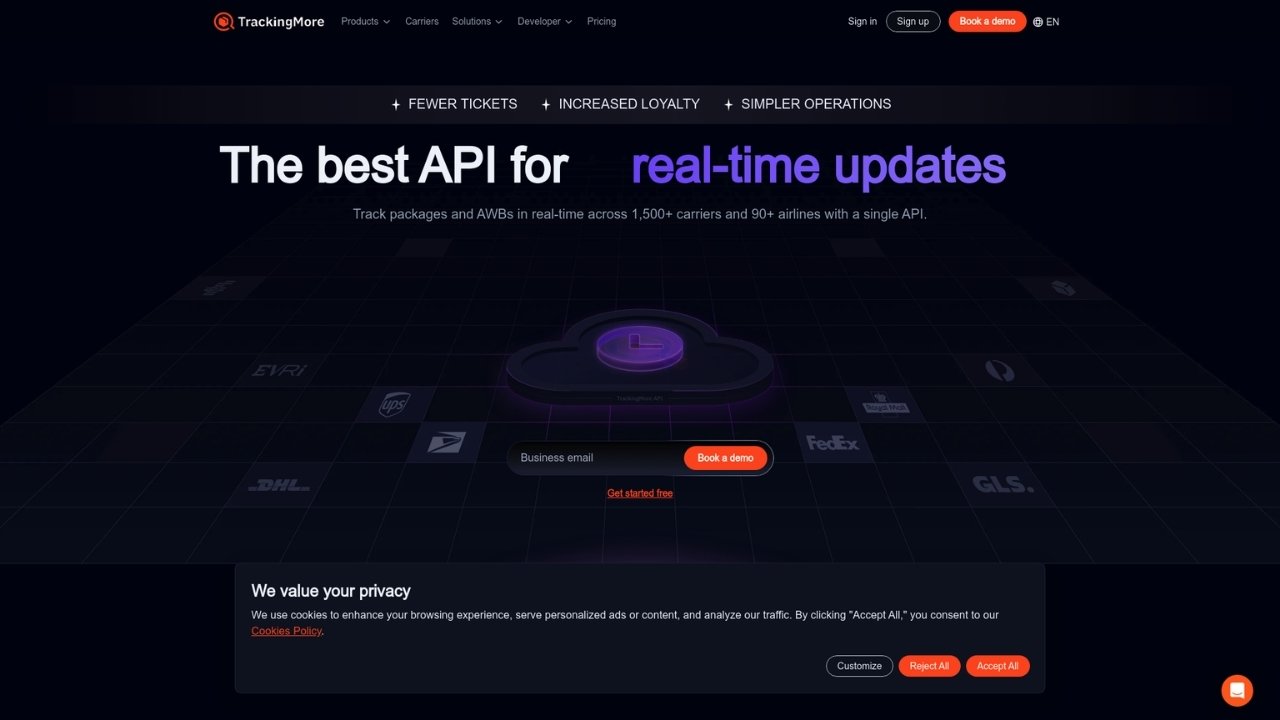
TrackingMore specializes in multi-carrier tracking with one of the largest carrier networks at 1,562 integrations. The platform is popular with developers and 3PLs due to its robust API.
Pricing:
| Plan | Monthly Price | Credits | Key Features |
|---|---|---|---|
| Free | $0 | 0 | Basic tracking, 1 tracking page |
| Basic | $11 | 2,400/year | Bulk export, multilingual pages |
| Pro | $74 | 24,000/year | API access, webhook, no branding |
| Enterprise | Custom | Custom | Dedicated manager |
Credits can be used for tracking shipments or translating transit history. One credit equals one parcel tracked unlimited times.
Best for: Developers building custom tracking solutions and 3PLs managing shipments across many carriers. The API is the strongest feature here.
WeSupply Labs
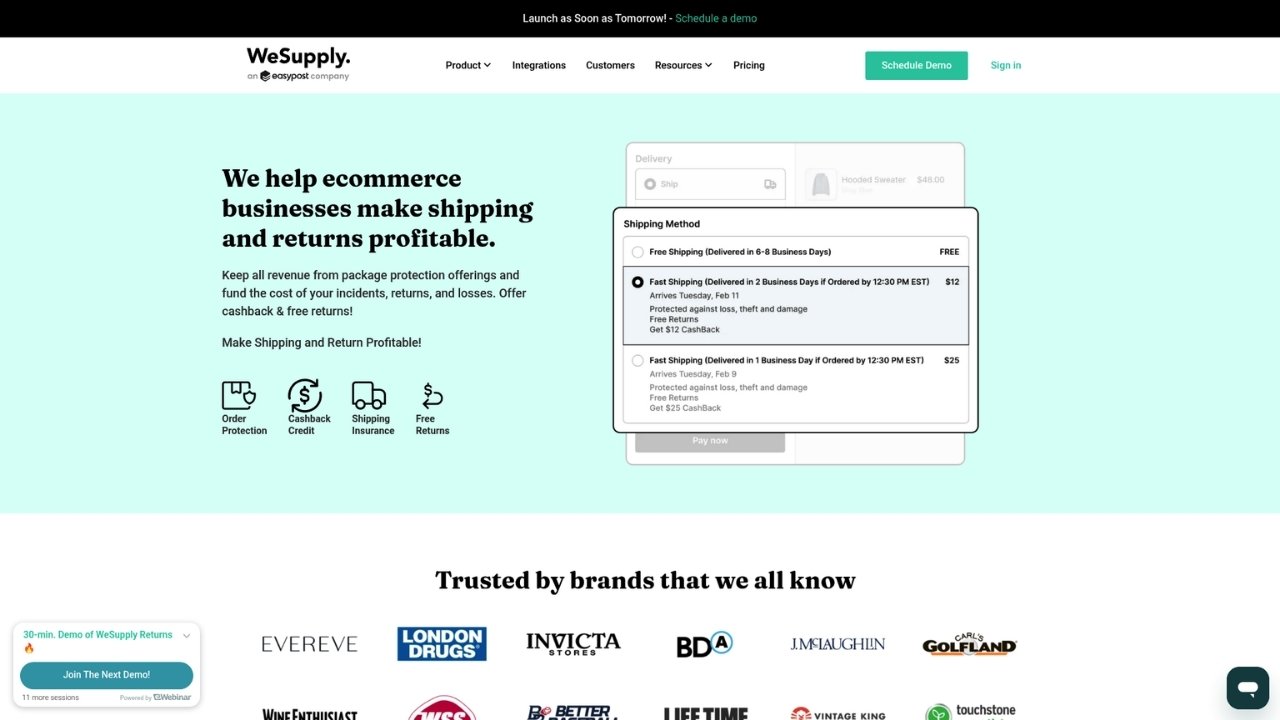
WeSupply Labs offers omnichannel order tracking with strong returns management. The platform integrates with Shopify, Magento, BigCommerce, and major helpdesks like Zendesk and Gorgias.
Pricing:
| Plan | Monthly Price | Shipments | Returns | Key Features |
|---|---|---|---|---|
| Growth | $60 | 2,000 | 100 | Basic tracking, Klaviyo integration |
| Advanced | $78 | 2,000 | 100 | AI predictive EDD, in-store pickup |
| Enterprise | Custom | 15,000+ | 1,250+ | ERP integration, API, BigQuery |
Best for: Multi-channel retailers selling online and in-store. The omnichannel order lookup lets customers track purchases regardless of where they bought them.
Comparison summary
| Solution | Starting Price | Best For | Carrier Count | Key Strength |
|---|---|---|---|---|
| AfterShip | $11/mo | Mid-market brands | 1,200+ | Returns management |
| Narvar | Custom | Enterprise retailers | Not disclosed | Customer engagement |
| ShipStation | Free | SMBs | 200+ | All-in-one shipping |
| TrackingMore | Free | Developers | 1,562+ | API flexibility |
| WeSupply Labs | $60/mo | Omnichannel retailers | 1,000+ | In-store pickup |
Best practices for implementing order tracking
Having the right tool is only half the battle. How you configure and use it matters just as much.
Proactive communication
Don't make customers hunt for information. Send notifications at key moments:
- Order confirmed: Immediately after purchase
- Shipped: When the carrier picks up the package
- Out for delivery: The morning of delivery day
- Delivered: Within minutes of drop-off
- Exception: As soon as a delay or issue is detected
SMS has a 98% open rate compared to 20% for email, making it the most reliable channel for critical updates like delivery day notifications. Use email for routine updates and SMS for time-sensitive information.
Branded tracking experience
Sending customers to carrier tracking pages is a missed opportunity. Generic carrier sites don't match your brand, don't cross-sell products, and often confuse customers with technical shipping terminology.
A branded tracking page keeps customers in your ecosystem. Customize it with your logo, colors, and product recommendations. WeSupply Labs reports that their branded tracking pages improve customer satisfaction scores by 32%.
Integration with support systems
Your support team needs visibility into shipment status. Integrate tracking data with your helpdesk so agents can see order status without switching between tools. This is where platforms like WeSupply Labs shine with their Zendesk and Gorgias integrations.
But even with perfect tracking data, some customers will still call. Complex issues, anxiety about high-value orders, or simply preferring human contact are all valid reasons. Make sure your voice channel can handle these inquiries efficiently.
When customers still call: handling voice inquiries
Even the most sophisticated tracking setup won't eliminate all phone calls. Here's why customers still pick up the phone and what to do about it.
Why tracking doesn't eliminate all calls
Some customers don't trust digital systems. Others have complex situations that don't fit neatly into tracking statuses. A package might show "delivered" but the customer can't find it. International shipments often have confusing handoffs between carriers.
Elderly customers or those less comfortable with technology often prefer speaking to a person. And for high-value or time-sensitive orders, the reassurance of a human voice matters.
How AI phone agents complement tracking systems
This is where Ringly.io fits into your tracking strategy. Our AI phone agent The AI handles order tracking calls 24/7, looking up orders in your system and explaining tracking status to callers.
the AI integrates with Shopify and can access real-time order information. When a customer calls asking about their order, the AI pulls up the tracking details and explains the current status in plain language. If the issue requires human judgment, the AI escalates to your team with full context.
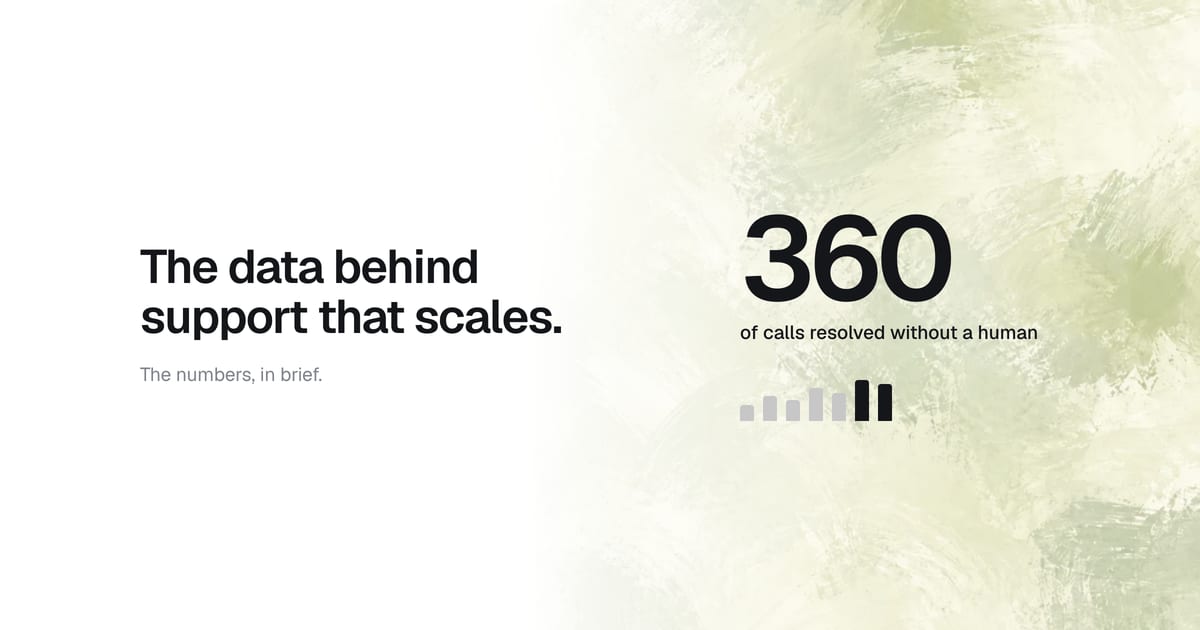
The result? 73% of order tracking calls get resolved without human intervention. Your team focuses on complex issues while The AI handles the routine "Where is my order?" inquiries around the clock.
Choosing the right order tracking approach for your store
Your tracking strategy should match your business size and complexity.
Small businesses can start with native platform tracking. Shopify, WooCommerce, and BigCommerce all include basic tracking features. These work fine when you're shipping fewer than 100 orders per month and customers aren't flooding support with WISMO tickets.
Growing stores (100-1,000 shipments monthly) should add a dedicated tracking solution. AfterShip or WeSupply Labs make sense at this stage. The cost is modest compared to the support time you'll save.
Enterprise retailers need custom solutions. Narvar or building your own tracking infrastructure gives you the control and scale required for high-volume operations.
Don't forget the phone channel. Even with perfect digital tracking, some customers will call. Ringly.io's The AI handles these calls automatically, giving you a complete tracking strategy that covers every customer preference.
Shipping expectations keep climbing. See the latest delivery benchmarks in our ecommerce shipping statistics for 2026.
Frequently Asked Questions
What is ecommerce order tracking and why do I need it?
Ecommerce order tracking is the process of monitoring orders from purchase to delivery using tracking numbers and carrier updates. You need it because 97% of customers expect tracking visibility, and without it, 'Where Is My Order' becomes your team's most time-consuming support inquiry.
How much can ecommerce order tracking reduce my support costs?
Most businesses see a 40-65% reduction in WISMO tickets after implementing proper tracking. Narvar customers report up to 50% decreases in call center costs. For a team handling 500 tracking inquiries monthly, that translates to roughly $24,000 in annual savings.
Which ecommerce order tracking solution is best for small businesses?
For small businesses shipping fewer than 500 orders monthly, ShipStation's free or Bronze plan ($9.99/month) offers excellent value. It combines shipping, tracking, and carrier discounts in one platform. As you grow, consider upgrading to AfterShip or WeSupply Labs for more advanced features.
Can ecommerce order tracking actually increase revenue?
Yes. Narvar reports a 10% higher conversion rate from tracking page cross-sells. AfterShip's exchange-first returns approach helps recover 50% of revenue that would otherwise be lost to refunds. Tracking pages become marketing touchpoints when customers are already engaged with your brand.
Do I still need phone support if I have good ecommerce order tracking?
Yes. Even perfect tracking doesn't eliminate all calls. Some customers prefer phone support, have complex issues, or need reassurance about high-value orders. AI phone agents like Ringly.io's the AI handle these calls automatically, resolving up to 90% of order tracking inquiries without human intervention.
How do I choose between AfterShip, Narvar, ShipStation, and other tracking solutions?
Consider your monthly shipment volume, budget, and specific needs. AfterShip excels at returns management for mid-market brands. Narvar serves enterprise retailers with complex requirements. ShipStation is ideal for SMBs wanting an all-in-one shipping solution. WeSupply Labs works best for omnichannel retailers with both online and in-store sales.
What integrations should my ecommerce order tracking solution have?
At minimum, your tracking solution should integrate with your e-commerce platform (Shopify, WooCommerce, etc.) and major carriers (USPS, UPS, FedEx). For support efficiency, look for helpdesk integrations with Zendesk or Gorgias. Marketing integrations with Klaviyo or Attentive enable proactive customer communication.
Want to see the latest data? Read our 50 ecommerce cart abandonment statistics for 2026.