
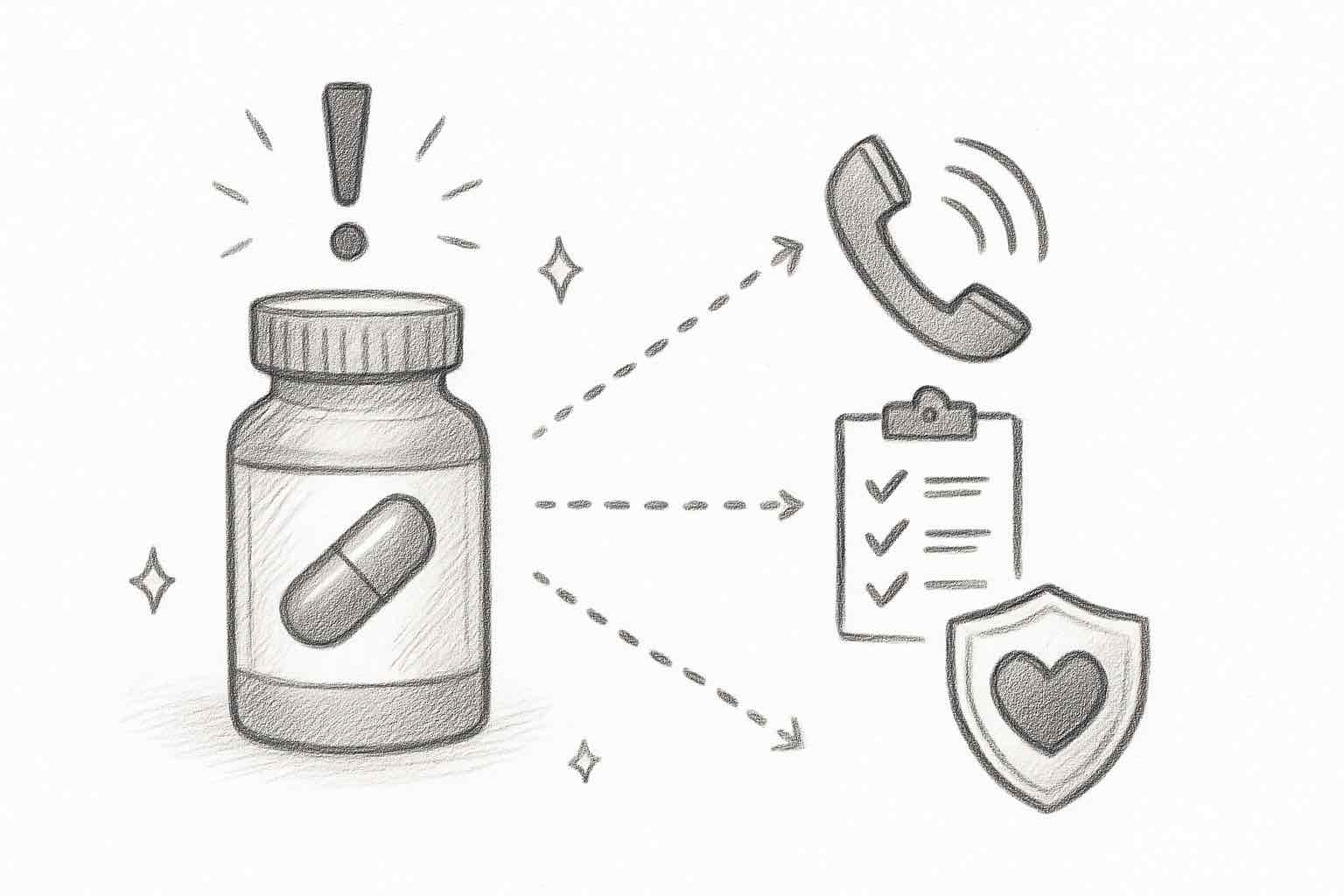
When someone calls your store about a supplement interaction or a skin reaction, they're not just annoyed. They're worried. Maybe even scared.
That's the difference between wellness customer service and everything else in ecommerce. Your customers are putting products in or on their bodies, and when something feels off, a slow response or a clueless agent doesn't just lose a sale. It erodes trust in your entire brand.
The wellness economy hit $6.8 trillion in 2024 and keeps growing at 7.6% per year. More brands, more competition, more customers expecting real support. Yet most wellness brands still run customer service the same way a t-shirt shop would.
The health and wellness ecommerce market is projected to reach $650 billion by 2026, and competition for customer loyalty has never been tighter. The brands pulling ahead aren't spending more on ads. They're spending smarter on customer service.
Here are 8 tactics to build a wellness brand customer service strategy that actually fits your business, builds loyalty, and doesn't drain your budget.
Hear what AI support calls sound like for your store. Just paste your Shopify URL and get sample calls in under 20 seconds, no email required. Listen to demo calls for my store.
Why wellness brands need a different customer service strategy
Generic ecommerce customer service playbooks weren't built for wellness. Here's why.
Product complexity is on another level. Your support team needs to know the difference between MCT oil and coconut oil, between ashwagandha and rhodiola, between third-party tested and self-certified. A supplement brand's customer service team needs deeper product knowledge than almost any other ecommerce vertical.
The emotional stakes are higher. Someone calling about a delayed t-shirt is mildly annoyed. Someone calling about a reaction to a new supplement is anxious. That changes how every conversation needs to be handled.
Regulatory constraints add friction. Your agents can't diagnose, can't guarantee outcomes, and need to know exactly where the line is between helpful and liable. FDA disclaimer awareness isn't optional.
Subscriptions create recurring touchpoints. Most wellness brands sell subscriptions, which means your customer service team handles cancel, pause, skip, swap, and billing questions on repeat. According to Bain & Company, a 5% improvement in retention can increase profits by 25-95%. Getting subscription management right is directly tied to revenue.
And here's what the data says: 95% of consumers say customer service is essential for brand loyalty. For wellness brands where trust is literally the product, that number carries even more weight.
Gen Z and Millennials now drive 41% of wellness spending, and they expect fast, knowledgeable support across every channel. If your service feels generic or slow, they won't complain. They'll just switch to a competitor who feels more trustworthy. Building a solid customer experience starts with understanding these unique pressures.
8 customer service tactics that work for wellness brands
These aren't generic tips. Every tactic below addresses something specific to the wellness ecommerce customer experience.
1. Build a product knowledge base your team (and AI) can actually use
Before you do anything else, document everything your support team needs to answer questions:
- Every ingredient with plain-language explanations: what it does, where it's sourced, common concerns
- Allergen and interaction information: which products contain common allergens, known supplement interactions
- Dosage and usage guidelines: when to take it, how much, with or without food
- Sourcing and testing details: third-party certifications, GMP compliance, origin countries
This isn't just for human agents. A solid knowledge base also powers AI tools, chatbots, and self-service portals. According to Forrester, well-structured self-service content reduces inbound support volume by 25-30%.
Here's where most wellness brands go wrong: they train agents verbally. One person learns from another, information gets distorted, and three months later your team is giving inconsistent answers about the same product. Write it down, keep it updated, and make it searchable.
For skincare brands, this means documenting every active ingredient's purpose and common reactions. For supplement brands, it means keeping interaction charts and dosage protocols accessible during every call.
2. Add phone support (even if you think you can't afford it)
Here's a stat that surprises most DTC founders: 76% of consumers still prefer phone when they need help. And phone satisfaction sits at 91%, compared to 85% for live chat.
For wellness brands specifically, phone matters more. When a customer is worried about a reaction or confused about a product interaction, they don't want to type. They want to talk to someone.
The old objection was cost. Traditional phone support runs $4.60+ per interaction. But AI phone agents have changed the math completely. Ringly.io, for example, handles inbound calls for Shopify stores with an AI agent that can look up orders, answer product questions, and process returns. The cost drops to roughly $0.50 per interaction, and it works 24/7 in 40 languages.
Over 2,100 Shopify stores already use it, with a 73% resolution rate without human intervention. Try it free for 14 days and see what it sounds like for your products.
If you're wondering whether phone support even matters for your category, consider this: ecommerce phone support consistently drives higher customer satisfaction and higher average order values than text-based channels. For wellness, where trust and reassurance matter more than speed, that gap is even wider.
3. Set up a tier 1/2/3 support model
Not every question needs a wellness expert. Structure your support into tiers so the right person (or bot) handles the right issue:
| Tier | Handles | Who |
|---|---|---|
| Tier 1 | Order status, shipping updates, basic product info | AI agent or junior rep |
| Tier 2 | Ingredient questions, subscription changes, complaints | Trained support agent |
| Tier 3 | Adverse reactions, regulatory issues, complex escalations | Senior agent or founder |
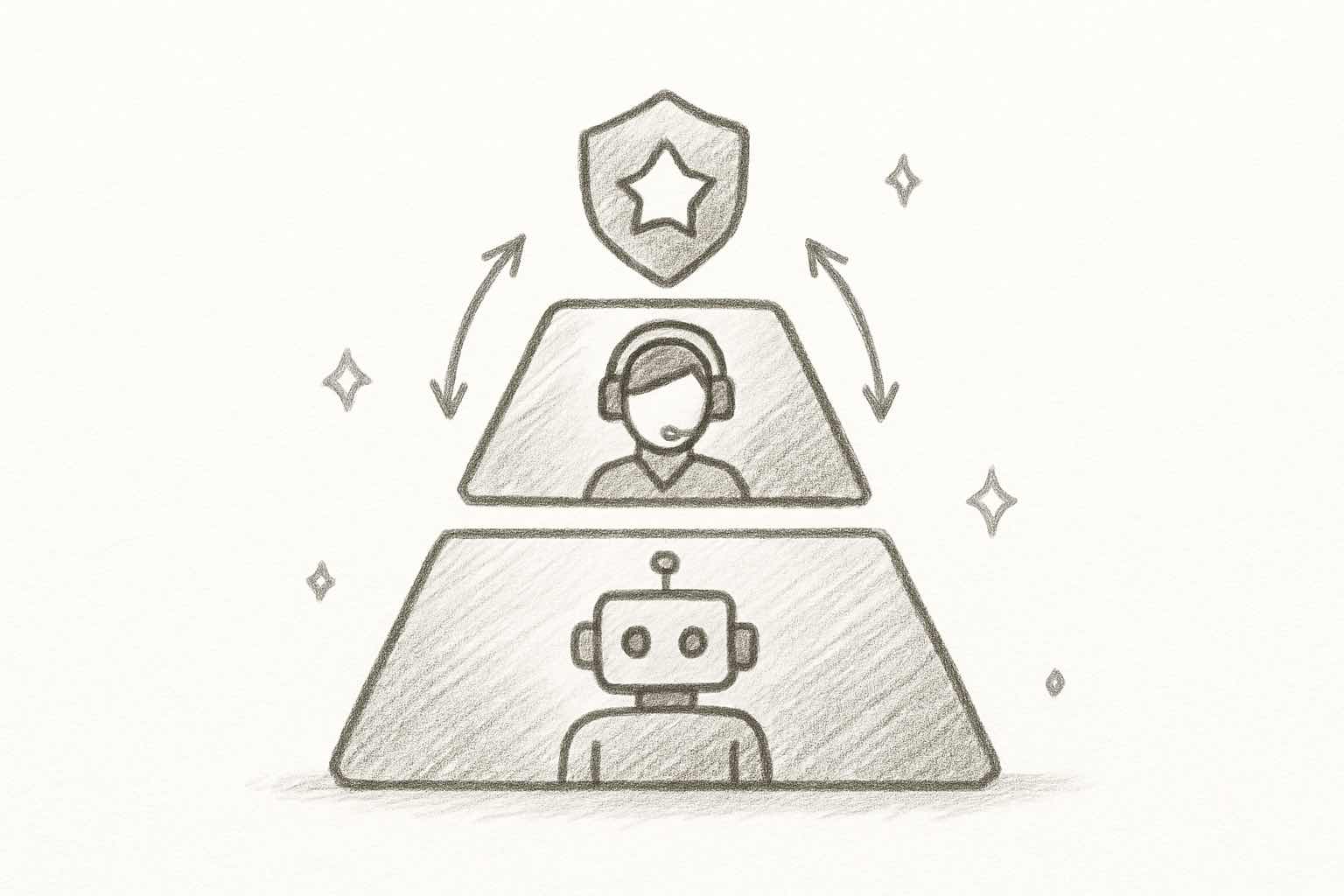
Here's why this matters: WISMO ("where is my order?") calls make up 30-40% of all ecommerce support volume. Those are perfect for automation. An AI phone agent or chatbot handles them in seconds, freeing your trained team for the questions that actually need a human.
The smart call transfer approach is key here. AI handles tier 1, then routes to a human when it detects a tier 2 or 3 issue. No dead ends, no frustrated customers repeating themselves.
The ecommerce industry benchmark for first contact resolution sits at 75-85%. With a proper tier model, your tier 1 automation should resolve at least 70% of inbound contacts. That means your trained agents only see the 30% of issues that genuinely require human judgment, product expertise, or empathy that a bot can't replicate.
4. Make subscription management painless
If customers have to email three times or call during business hours just to pause their subscription, you'll see it on Reddit. And not in a good way.
The wellness brands that retain subscribers make it easy to:
- Skip a delivery: one click, no questions
- Pause for a set period: without canceling entirely
- Swap products: try a different flavor or formula
- Cancel without friction: a clean exit beats a resentful customer who files a chargeback
Tools like Recharge and Loop handle the subscription infrastructure. But your customer service team still needs to process these requests when customers call or email. Make sure your AI and human agents can handle all four actions without escalation.
Flexible subscription management reduces churn more than any retention offer or discount code.
One pattern we see with successful wellness ecommerce brands: they track why people cancel, not just that they did. If 40% of cancellations cite "too much product," your default delivery frequency is wrong. That's a business insight, not a support issue. But it comes from your support data.
5. Cover after-hours and weekends
Wellness customers don't shop 9-to-5. Your best customer might be a night-shift nurse ordering supplements at 2 AM or a working parent browsing skincare products on Sunday morning.
The data backs this up. Sub-one-hour response times drive 71% retention versus 48% for slower responses. If you're only staffed during business hours, you're losing customers during your best conversion windows.
After-hours customer service used to mean hiring offshore teams or accepting voicemails. Now, AI voice agents handle calls around the clock. Same product knowledge, same order lookups, same resolution quality. No overnight staffing costs.
Think about your own buying habits. When do you research wellness products? Probably not between 9 and 5. Your customers are the same. Missed calls cost real revenue, especially for high-AOV wellness products where a single unanswered question can kill a $100+ purchase.
See what 24/7 AI phone support sounds like for your store. Setup takes three minutes.
6. Train your team on what they can and can't say
This is where wellness customer service gets legally tricky. Your agents need clear guardrails:
- Never diagnose or prescribe: "I'd recommend checking with your doctor" is the default for medical questions
- Never guarantee outcomes: "Many customers report improved energy" is fine; "this will fix your sleep" is not
- Know your FDA disclaimers: agents should understand which claims are and aren't supported
- Have scripts for redirecting medical questions: polite, empathetic, and firm
Build a compliance cheat sheet your team can reference during calls. Include the exact phrases to use (and avoid) for common scenarios like adverse reactions, ingredient questions, and efficacy complaints.
This protects your brand legally and builds customer trust. People respect honesty over overpromising.
Update your compliance training quarterly. Regulations change, your product line evolves, and new customer questions surface. A customer service training program that covers compliance from day one saves you from expensive mistakes later. If you use an AI phone agent, make sure its knowledge base reflects the same guardrails your human team follows.
7. Use customer service data to improve your products
Your support inbox is a goldmine of product intelligence that most wellness brands ignore.
Track and categorize every complaint:
- Which ingredients get the most questions? Maybe your labeling isn't clear enough.
- Which products have the highest return rate? There might be a formulation issue or an expectation mismatch.
- What questions come up repeatedly? Those should become FAQ entries or product page content.
Feed this data into quarterly product reviews. The brands that do this consistently, like the best DTC wellness companies, close the loop between customer feedback and product improvement.
Also monitor Reddit threads and review sites. Communities like r/SkincareAddiction and r/Supplements function as informal customer service channels. If complaints surface there that your team hasn't seen, you have a visibility gap.
AI call analysis tools can automate some of this. Instead of manually reviewing every support interaction, AI flags recurring themes, sentiment shifts, and emerging issues. That turns your support team from a cost center into a competitive advantage.
8. Measure the metrics that matter for wellness
Generic customer service KPIs don't capture what wellness brands need to track. Here are the metrics that actually tell you if your strategy is working:
| Metric | Target | Why it matters for wellness |
|---|---|---|
| First contact resolution | 75%+ | Higher complexity means more escalations if you're not prepared |
| Customer effort score | Below 3 (out of 5) | Wellness customers bail if getting help feels hard |
| Retention after service interaction | 80%+ | A service touchpoint should strengthen loyalty, not weaken it |
| Cost per contact | Under $5 | Ecommerce average is $2.70-$5.60; AI can push this below $1 |
| Resolution rate by tier | 70%+ at tier 1 | If tier 1 can't handle 70%+ of contacts, your knowledge base needs work |
Review these monthly. If your first contact resolution drops below 70%, your team probably needs better training or your knowledge base has gaps. If cost per contact spikes, check whether you're over-staffing for volume that AI could handle.
One metric most wellness brands miss: retention rate after a service interaction. If customers who contact support are less likely to reorder than those who don't, your service experience is actively pushing people away. The goal is the opposite. A well-handled support interaction should make customers more loyal, not less. Track this by comparing customer lifetime value for customers who've contacted support versus those who haven't.
How to choose the right tools for your wellness brand
Your tool stack depends on where you are right now:
Under 30 contacts per day: You don't need a full helpdesk yet. Start with a shared inbox, Ringly.io for phone support, and a well-built knowledge base. This covers 80% of your needs at minimal cost.
30-100 contacts per day: Add a helpdesk like Gorgias (built for Shopify) or Zendesk. Keep AI handling phone and tier 1 email/chat. Hire 1-2 trained agents for tier 2 issues.
100+ contacts per day: Full stack with tiered routing, dedicated quality assurance, and data analytics. At this volume, you need call center analytics to spot trends and optimize.
| Volume | Phone | Email/Chat | Team Size |
|---|---|---|---|
| < 30/day | AI phone agent | Shared inbox | Founder + AI |
| 30-100/day | AI phone agent | Helpdesk (Gorgias/Zendesk) | 1-2 agents + AI |
| 100+/day | AI phone + human backup | Full helpdesk with routing | 3-5+ agents + AI |
The right approach for most health and wellness Shopify stores is to start with AI coverage and add humans as complexity grows, not the other way around. Scaling customer service without hiring is possible now in ways it wasn't two years ago.
One thing to keep in mind: don't over-tool too early. A shared inbox plus Ringly.io for phone will cost you under $400/month and handle most wellness brand needs until you're doing real volume. Compare that to hiring even a part-time customer service agent, which runs $1,500-$2,500/month before benefits. Start lean, scale smart.
If you're running a Shopify store and want to add phone support, the setup is straightforward. Most wellness brands can go from zero phone coverage to full 24/7 AI-powered support in under an hour.
Ready to see what AI phone support looks like for your wellness brand? Start your free trial. Setup takes about three minutes.
Frequently asked questions
What makes wellness brand customer service different from regular ecommerce?
Wellness customers ask about ingredients, allergens, supplement interactions, and product safety. These questions require deeper product knowledge than standard ecommerce support. The emotional stakes are also higher since customers are concerned about their health, not just a delivery timeline.
How much does customer service cost for a wellness brand?
The ecommerce average runs $2.70-$5.60 per ticket for traditional support. AI phone agents bring phone support costs down to roughly $0.50 per interaction. Most wellness brands spend 5-15% of revenue on customer service, depending on their subscription mix and product complexity.
Can AI handle wellness-specific customer questions?
Yes, when properly set up with a detailed knowledge base. AI agents handle order lookups, shipping questions, basic product info, and subscription changes with no issues. For complex questions about ingredient interactions or adverse reactions, AI can recognize the situation and transfer to a human agent.
What's the best channel mix for wellness brand support?
Phone plus email covers most wellness brands. Phone handles the urgent and emotional questions (91% satisfaction rate), while email works for documentation-heavy requests like returns. Add live chat once you're over 50 contacts per day. Self-service content should always run alongside all channels.
How do I handle customer complaints about product efficacy?
Acknowledge the concern without making medical claims. Offer a refund or exchange. Ask specific questions about their usage (timing, dosage, duration) since many efficacy complaints stem from incorrect usage. Document every complaint for your product team and never promise a health outcome.
When should a wellness brand hire its first support agent?
When you're consistently hitting 30+ customer contacts per day and spending more than two hours daily on support. Before that point, AI phone agents and self-service tools can handle the volume. Your first hire should be someone with supplement or skincare product knowledge, not just general CS experience.
How do wellness brands handle product returns and refunds?
Most successful wellness brands offer a 30-day satisfaction guarantee with no-hassle returns. The key is making the return process simple while tracking reasons closely. If the same product keeps getting returned for the same reason, that's a product or marketing problem, not a customer service one. See our guide on how to reduce refund rates on Shopify.
Should wellness brands outsource customer service or keep it in-house?
Start in-house (or with AI) until you've documented your product knowledge and processes thoroughly. Outsourcing without documentation leads to agents giving wrong answers about your ingredients, which is worse than slow answers. Once your knowledge base and SOPs are solid, a hybrid model (AI for tier 1, outsourced for tier 2) can work well.
Build the support system your wellness customers deserve
Your wellness brand customer service strategy doesn't need to be complicated. Start with two things: a solid product knowledge base and phone coverage that works around the clock. Those two moves alone will separate you from 90% of competitors still running on shared inboxes and business-hours-only chat.
Then layer in the tiered model, compliance training, and data feedback loops as you grow. The brands that treat customer service as a trust-building engine (not a cost center) are the ones that keep customers for years, not months. And with 87% retention for brands that deliver excellent service versus 41% for those that don't, the revenue difference is massive.
Try Ringly.io free for 14 days and get your wellness store's phone support live in three minutes.