

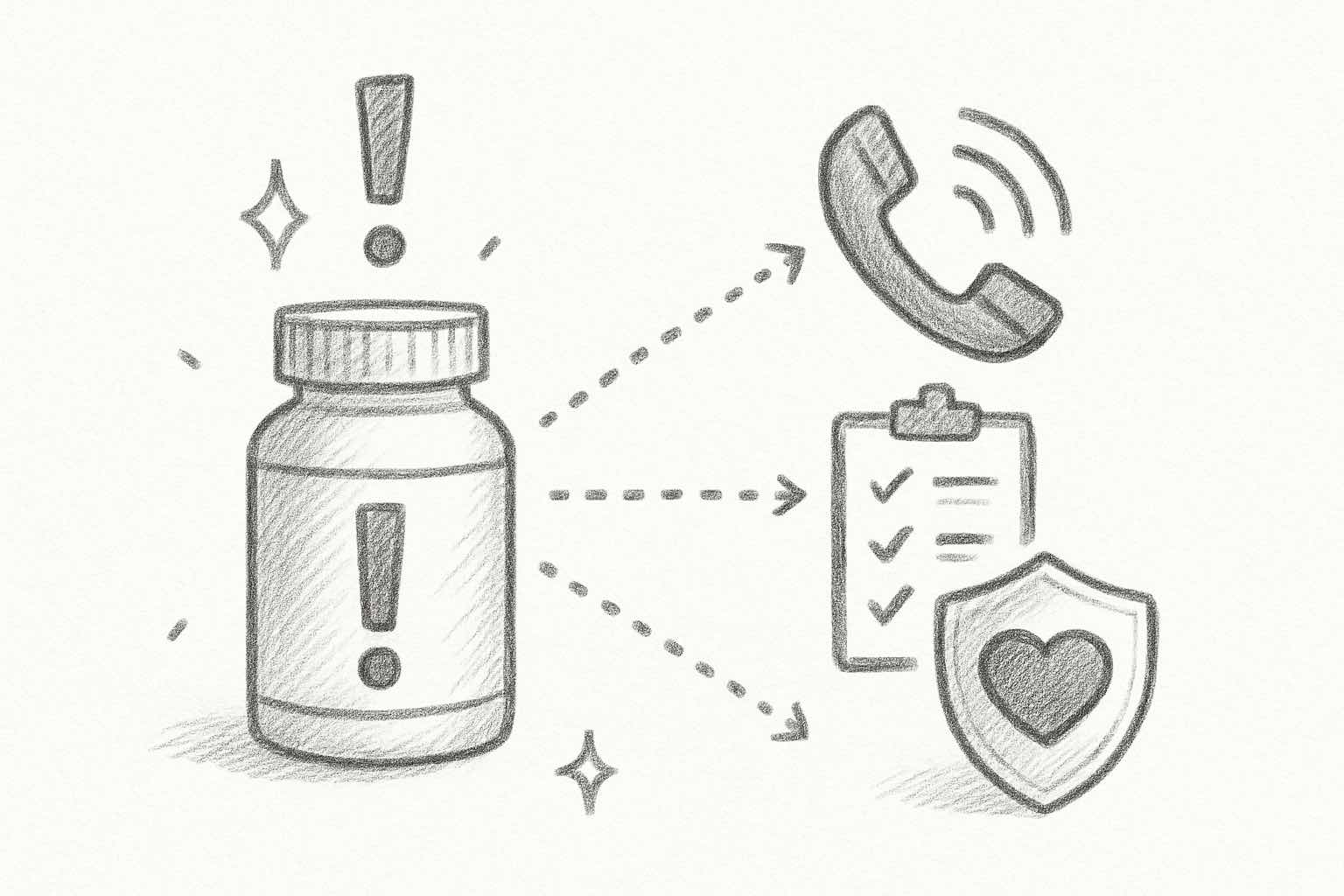
The FTC received 70 subscription-related complaints per day in 2024. That's up from 42 per day in 2021. And supplement brands sit right in the middle of that spike.
If you sell supplements online, you already know: your support inbox looks different from a typical Shopify store. Customers ask about ingredients your agents can't make health claims about. They want to cancel subscriptions they forgot they signed up for. They call because a product "didn't work," and your team has to respond without promising it ever will.
This guide breaks down the 7 most common supplement brand customer complaints, why they happen, and exactly how to handle each one. Plus, how to prevent most of them from happening in the first place.
Hear what AI support calls sound like for your store. Just paste your Shopify URL and get sample calls in under 20 seconds, no email required. Listen to demo calls for my store.
Why supplement brand customer complaints are different
Selling protein powder isn't the same as selling sneakers. The complaints your team handles carry extra weight, and extra risk.
Regulatory constraints limit what your agents can say. When a customer calls asking if your turmeric capsules will fix their joint pain, your support team can't say yes. FDA rules prohibit disease claims on dietary supplements, and the FTC is actively enforcing this in 2026, including on customer service interactions and influencer content. One wrong answer from a support agent could trigger a warning letter.
Subscriptions create constant friction. Most supplement brands rely on recurring revenue. That means every month is another chance for a customer to call about billing, cancellation, or an unexpected charge. The subscription model is great for LTV, but it generates a massive volume of support requests that other ecommerce verticals don't deal with at the same scale.
Health products carry emotional weight. A customer who got the wrong t-shirt is annoyed. A customer whose supplements arrived damaged, or who thinks a product made them feel worse, is scared. The emotional stakes are higher, which means your response matters more.
The US supplement market hit $72.9 billion in 2025, growing 5.5% year over year. Online supplement sales alone reached $25.6 billion in 2026 according to IBISWorld. As the market grows, so does the complaint volume. And the brands that handle complaints well are the ones that keep their customers.
DTC supplement brands see monthly churn rates between 5-15%. That means you're potentially losing a chunk of your customer base every month. Most of that churn starts with a complaint that was handled poorly, or not handled at all.
The 7 most common supplement brand customer complaints
After reviewing complaint data from the FTC, BBB, Trustpilot, and our own experience working with supplement stores, these are the 7 complaint types that show up again and again.
1. Subscription cancellation and billing disputes
This is the big one. Subscription complaints to the FTC nearly doubled between 2021 and 2024, and supplement brands are a major contributor. Customers report:
- Difficulty cancelling: easy to sign up, nearly impossible to cancel
- Unexpected charges: auto-ship hitting their card without clear notice
- No confirmation of cancellation: emailing three times and still getting charged
The FTC finalized its "click-to-cancel" rule in October 2024. While a federal court vacated it in July 2025, the underlying consumer protection standards are still actively enforced.
How to handle it:
- Make cancellation obvious. If it takes more than two clicks, you're creating complaints.
- Offer pause and skip first. Brands that added a "pause before cancel" option saw pause adoption jump 337% and prevented over 400,000 cancellations.
- Confirm immediately. Send a cancellation confirmation within minutes. No ambiguity.
- Track the reason. Every cancellation reason is data you can use to reduce churn.
2. "Where is my order?" (shipping and tracking)
WISMO calls make up 30-40% of all ecommerce support volume. For supplement brands, it's often even higher because customers are on a schedule. They take their supplements daily, and a late shipment means a gap in their routine.
How to handle it:
- Send proactive tracking updates. Automated notifications at each milestone (shipped, in transit, out for delivery) reduce WISMO inquiries by 60-90%.
- Give agents real-time order access. When a customer does call, your team should pull up the order status in seconds, not minutes.
- Set expectations upfront. If your shipping takes 5-7 days, say that clearly at checkout. Most shipping complaints stem from mismatched expectations.
This is one of the easiest complaint types to automate. An AI phone agent connected to your Shopify store can look up order status and give real-time updates without a human touching it.
3. Product didn't meet expectations (efficacy complaints)
"I've been taking this for three months and nothing's changed." This complaint is unique to supplements and wellness products. You won't hear it from someone who bought a lamp.
Here's the problem: you can't promise outcomes. FDA regulations prohibit supplement brands from making disease claims, and telling a customer "keep taking it, it'll work" crosses a line.
How to handle it:
- Empathize first. Acknowledge their frustration without validating the implied claim.
- Ask about usage. Are they taking the right dose? The right time of day? With food?
- Suggest alternatives. Maybe a different product in your line is a better fit.
- Offer a refund or exchange. If they're unhappy after genuinely trying the product, make it easy to return. A refund keeps the door open. A fight closes it permanently.
- Never promise health outcomes. Train every agent on this. It's the most important compliance rule in supplement customer service.
4. Ingredient and allergen concerns
"Is this gluten-free?" "Does it contain soy?" "Is the capsule vegan?"
These questions come with real safety implications. And the data isn't reassuring: one study found that 17 of 30 supplement products had inaccurate labels, and three brands that claimed vegetarian capsules were actually using gelatin.
How to handle it:
- Build a complete ingredient database. Every SKU should have its full ingredient list, allergen warnings, and certifications accessible to your support team.
- Train agents to escalate uncertainty. If an agent doesn't know for sure, they should say "let me verify that for you" and follow up. Guessing on allergens is never acceptable.
- Publish clear ingredient info on product pages. The best way to handle this complaint is to prevent it. Detailed product descriptions with full ingredient breakdowns reduce these calls significantly.
5. Quality and product defects
Changed formulas. Capsules that turned dark brown. Rancid smell. Off taste. These complaints are trust-destroying for health products.
A customer might tolerate a slightly different color in a t-shirt. They won't tolerate it in something they put in their body.
How to handle it:
- Replace immediately. Don't debate. Ship a replacement before investigating.
- Investigate the batch. Track the lot number and check if other customers reported similar issues.
- Communicate transparently. If you changed a formula, tell customers before they find out the hard way.
- Log every quality complaint. Patterns in quality complaints often point to supplier or manufacturing issues that need immediate attention.
This is also where call recording and analytics become valuable. If multiple callers mention the same issue in the same week, you want to catch that pattern fast.
6. Refund and return difficulties
Money-back guarantees are everywhere in the supplement industry. But actually getting that refund? That's where things break down.
Customers report websites with incorrect email addresses that bounce back. Return windows that expired two days before they noticed. Refund requests that just go unanswered.
How to handle it:
- Make your return policy clear and visible. Not buried in a footer link.
- Process refunds fast. If your policy says 30 days, process it in 3-5 business days, not 30.
- Don't require the product back for low-cost items. Shipping supplements back costs more in logistics than the product is worth. Just refund it.
- Follow up after the refund. A quick "sorry it didn't work out, here's what else we'd recommend" email can win customers back instead of losing them forever.
Good return handling directly impacts your refund rate and overall customer satisfaction. In our experience, brands that make returns friction-free actually see lower overall return rates, because customers trust them enough to try new products without fear of being stuck with something they don't want.
7. Unreachable or unhelpful customer service
This is the meta-complaint. It's not about any specific issue. It's about the fact that when they had an issue, they couldn't get help.
According to complaint data, 79% of online complaints receive no response from the brand. That's staggering. And 76% of consumers say they prefer phone support for resolving complex issues, which supplement questions almost always are.
How to handle it:
- Offer phone support. Email and chat are fine for simple questions. But for health product concerns, subscription disputes, and billing issues, customers want to talk to someone.
- Respond within one hour. Research shows that sub-one-hour responses achieve 71% customer retention versus 48% for 24-hour responses.
- Be available outside business hours. Most supplement customers aren't calling during your 9-5. They notice a problem in the evening, try to call, get voicemail, and the frustration compounds. After-hours coverage is a huge differentiator.
If you can't staff a phone line 24/7 (and most supplement brands can't), AI phone agents can handle the most common complaint types automatically, including order lookups, subscription changes, and basic product questions.
How to respond to supplement brand customer complaints
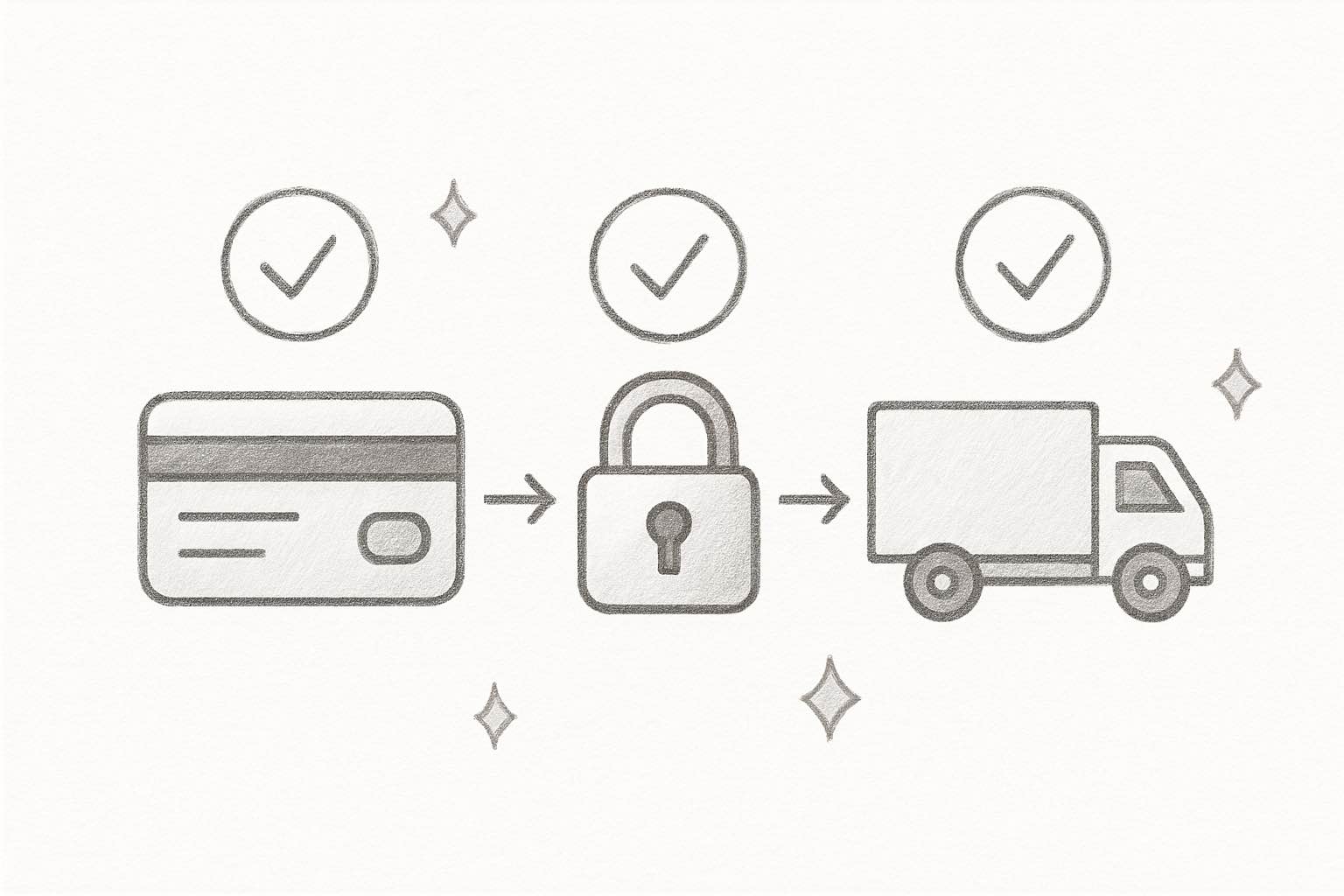
Regardless of complaint type, here's a 5-step framework that works:
1. Acknowledge within one hour. Speed matters more than perfection. Even a "we got your message and are looking into it" beats silence. Customers are 2.4x more likely to stay with brands that solve problems quickly.
2. Empathize genuinely. These are health products. The customer trusted you with their wellbeing. Acknowledge that.
"I understand this is frustrating, especially with something you're counting on for your health" hits differently than a generic "sorry for the inconvenience." Your agents should be trained on empathy language specific to health and wellness. Scripts help, but only if they sound natural.
3. Stay compliant. Before resolving anything, make sure your response doesn't:
- Make disease or treatment claims
- Promise specific health outcomes
- Contradict your product labeling
Train your team regularly. The FDA is increasing enforcement in 2026, and customer service interactions are in scope.
4. Resolve or escalate. If the agent can fix it (refund, replacement, order lookup), do it on the first call. If it requires investigation, set a clear timeline. First-call resolution should be your north star metric.
5. Follow up within 48 hours. After a return or complaint, most brands don't bother to follow up. That's a mistake. A quick follow-up reduces inbound call volume and signals that you care beyond the transaction.
Here's a simple follow-up template that works for most complaint types: acknowledge what happened, confirm the resolution, and ask if there's anything else. Keep it under four sentences. Customers don't want a novel. They want to know you remember them.
See what AI phone support looks like for your supplement store. Paste your Shopify URL and get sample calls in under 20 seconds.
How to prevent supplement brand customer complaints before they happen
The cheapest complaint is the one you never receive. Here's what the best supplement brands are doing to prevent complaints at the source.
- Send proactive shipping notifications. Automated tracking updates at each milestone reduce WISMO inquiries by 60-90%. That alone can cut your support volume in half.
- Make subscription terms crystal clear. Show the price, frequency, and cancellation process on the product page, in the cart, and in the confirmation email. No surprises.
- Audit your product pages for accuracy. Every ingredient, allergen warning, and usage instruction should be up to date. If you changed a formula, update the page before shipping the new batch.
- Train agents on FDA compliance. Build a cheat sheet of what they can and can't say. Review it monthly. One bad response can create regulatory exposure.
- Track complaints by category. After 30 days, look for patterns. If the same issue keeps appearing (a specific product, a specific carrier, a specific subscription flow), fix the root cause. Prevention always costs less than resolution.
- Implement self-service options. Let customers pause, skip, swap, or cancel their subscription without calling. The easier you make it, the fewer angry calls you get.
- Create an FAQ page that actually answers questions. Most supplement brand FAQ pages are marketing copy disguised as help content. Write real answers to real questions. Cover dosage, timing, side effects, allergens, and subscription management. A solid FAQ page can deflect 15-25% of support requests before they ever reach your team.
- Run a monthly complaint audit. Pull all complaints from the last 30 days, categorize them, and identify the top three by volume. Then assign each one an owner and a deadline. The brands that do this consistently see complaint volume drop 20-30% quarter over quarter.
A 5% increase in customer retention can boost profits by 25-95%. Every complaint you prevent is a customer you keep.
Tools that help supplement brands handle complaints at scale
You can't solve a growing complaint volume with just more bodies. At some point, hiring another agent doesn't scale. The cost per contact keeps climbing, and quality stays inconsistent. Here's what actually works.
- Helpdesk software. Platforms like Gorgias and Zendesk centralize tickets across email, chat, and phone. Essential for tracking complaint categories and response times.
- AI phone agents. This is where the biggest efficiency gains are. Ringly.io handles AI phone support specifically for Shopify stores. Seth (Ringly's AI agent) looks up orders, processes subscription changes, answers product questions, and escalates complex issues to humans. It resolves about 73% of calls without human intervention, works in 40 languages, and costs a fraction of hiring agents.
- Subscription management platforms. Recharge and Bold handle the pause, skip, swap, and cancel flows that generate so many complaints. Integrating these with your support tools cuts down on manual work.
- Call analytics. Speech analytics software spots patterns in complaint calls. If 30 customers mention "taste change" in one week, you want to know about it before it becomes a Trustpilot review.
- Proactive outreach tools. Automated post-purchase check-ins and shipping notifications prevent complaints before they start.
- Knowledge base software. Give your agents (human or AI) a searchable database of every product's ingredients, allergens, usage instructions, and approved messaging. This speeds up response times and keeps answers consistent. Building a strong knowledge base is one of the highest-ROI investments a supplement brand can make.
If you run a Shopify supplement store, try Ringly.io free for 14 days. Setup takes about three minutes, and you'll see exactly how it handles your most common complaint types.
Frequently asked questions
What are the most common complaints supplement brands receive?
Subscription cancellation and billing disputes are the number one complaint type. Following that, WISMO (shipping/tracking) calls, efficacy complaints ("it didn't work"), ingredient and allergen questions, quality defects, refund difficulties, and unreachable customer service round out the top seven.
How should supplement brands handle efficacy complaints without making health claims?
Empathize with the customer's experience, ask about their usage (dosage, timing, consistency), and suggest alternatives from your product line. Never promise health outcomes or make claims your label doesn't support. Offer a refund if they're unsatisfied. A smooth return keeps the door open for future purchases.
How can supplement brands reduce subscription cancellation complaints?
Make cancellation easy (two clicks or less) and offer pause and skip options before the cancel button. Brands that implemented "pause before cancel" saw pause adoption increase 337%. Clear subscription terms at checkout and in confirmation emails also reduce surprise billing complaints.
What is the FTC click-to-cancel rule and how does it affect supplement brands?
The FTC finalized a rule in October 2024 requiring cancellation to be as easy as sign-up. A federal court vacated it in July 2025, but the same consumer protection standards are still enforced under existing law. Supplement brands should treat easy cancellation as a legal requirement, not an option.
How fast should supplement brands respond to customer complaints?
Within one hour. Data shows sub-one-hour responses retain 71% of customers, while 24-hour responses retain only 48%. Even a quick acknowledgment ("we received your message and are looking into it") is better than silence.
Can AI handle customer complaints for supplement brands?
Yes, for the most common types. AI phone agents like Ringly.io can handle order lookups, subscription changes, shipping updates, and basic product questions. They escalate complex issues (efficacy complaints, adverse reactions, regulatory-sensitive questions) to human agents. This covers roughly 60-70% of inbound complaint volume.
How do you track and measure complaint resolution?
Track three metrics: first-call resolution rate (target 70%+), average response time (target under one hour), and complaint volume by category. Review category trends monthly to identify and fix root causes. Call analytics tools make pattern detection much faster.
Your complaint handling is your retention strategy
Most supplement brand customer complaints are preventable. Clearer subscription terms, proactive shipping updates, accurate product pages, and accessible support channels eliminate the majority of inbound complaints before they happen.
The brands that win aren't the ones that avoid complaints entirely. They're the ones that handle complaints so well that 83% of customers actually become more loyal afterward.
Every complaint is a signal. Listen to it, fix the root cause, and you'll spend less on support while keeping more customers.
Ready to see what AI phone support looks like for your supplement brand? Start your free trial with Ringly.io. Setup takes three minutes, and Seth starts answering calls the same day.