

Most ecommerce stores obsess over conversion rates and average order value. Those are important. But there's one metric that predicts whether customers come back, tell their friends, or quietly disappear: Net Promoter Score.
NPS is deceptively simple. One question, one number. Yet most guides stop at the formula and leave you wondering what to actually do with the result. This guide covers the full picture for ecommerce stores. You'll get the real calculation, 2026 benchmarks, survey timing strategies, seven specific ways to improve your score, and an honest look at where NPS falls short. Whether you're at a 20 or a 60, you'll walk away knowing exactly what to do next.
Hear what AI support calls sound like for your store. Just paste your Shopify URL and get sample calls in under 20 seconds, no email required. Listen to demo calls for my store.
What is net promoter score (and why ecommerce stores should care)
Net Promoter Score measures one thing: how likely your customers are to recommend your store to someone else. It's a single question on a 0-10 scale. That's it.
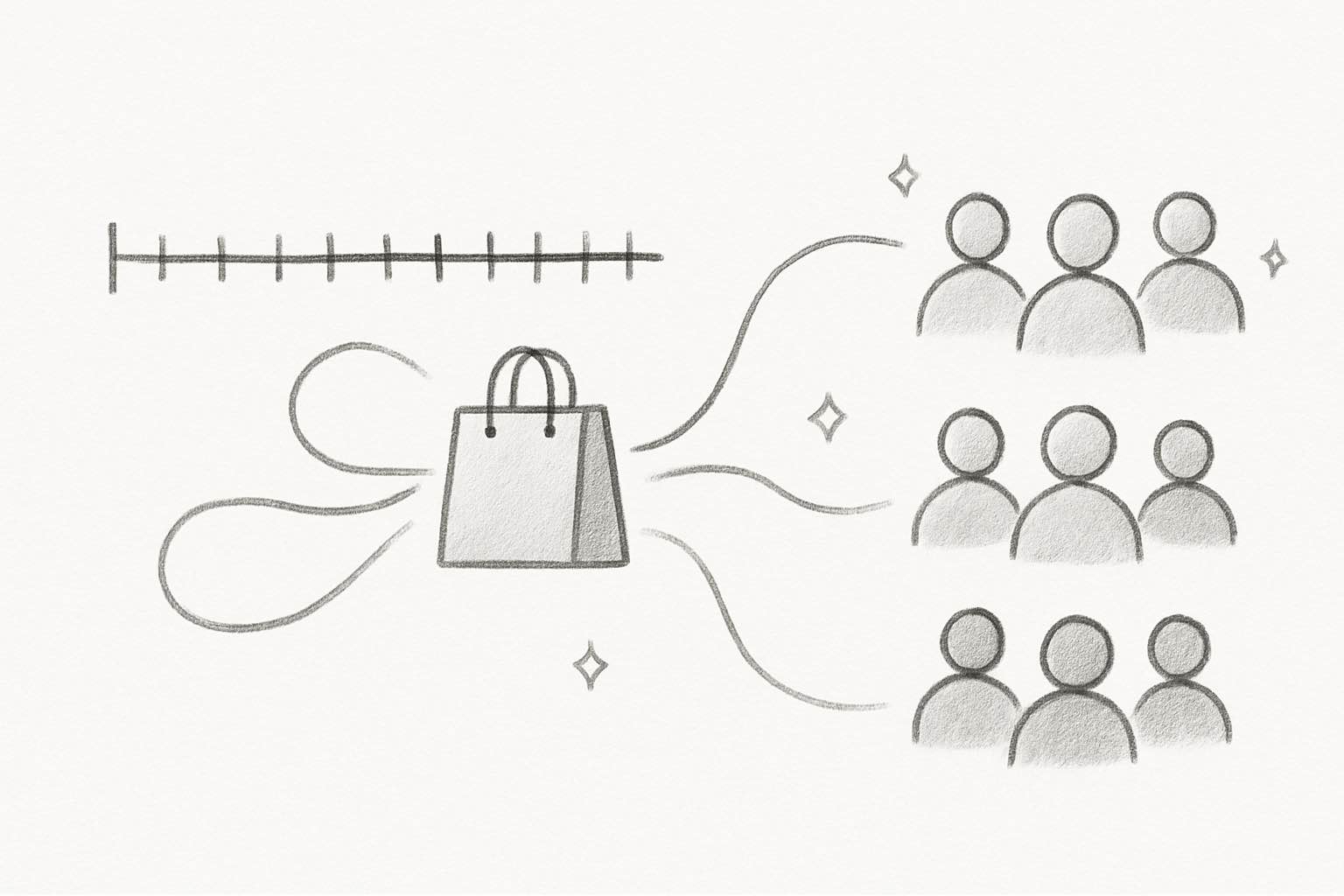
Based on their answer, customers fall into three groups:
- Promoters (9-10): Your best customers. They buy again, refer friends, and defend your brand online.
- Passives (7-8): Satisfied but not enthusiastic. They won't badmouth you, but they'll switch if a competitor offers something better.
- Detractors (0-6): Unhappy customers who can hurt your brand through negative reviews and word-of-mouth.
The formula is straightforward: NPS = % Promoters - % Detractors. Scores range from -100 (everyone's a detractor) to +100 (everyone's a promoter).
So why should ecommerce stores care? Because NPS is one of the strongest predictors of repeat purchases and customer lifetime value. According to research from Bain & Company, NPS leaders in any industry grow revenue more than twice as fast as competitors. And promoters spend 3.5x more than detractors over their lifetime.
That makes NPS more than a feel-good metric. It's a leading indicator of revenue. If you're tracking customer service KPIs but skipping NPS, you're missing the one that ties everything together.
How to calculate your ecommerce net promoter score
Here's the step-by-step process:
- Send a one-question survey: "On a scale of 0-10, how likely are you to recommend [your store] to a friend?"
- Collect responses: Aim for at least 100-200 responses for statistical reliability.
- Categorize each response: Promoter, Passive, or Detractor.
- Apply the formula: NPS = (% Promoters) - (% Detractors).
Here's a quick example. Say you survey 200 customers:
| Category | Count | Percentage |
|---|---|---|
| Promoters (9-10) | 120 | 60% |
| Passives (7-8) | 50 | 25% |
| Detractors (0-6) | 30 | 15% |
NPS = 60% - 15% = 45
One thing that trips people up: passives don't factor into the calculation. They're excluded from the formula. But don't ignore them. Passives are your biggest opportunity. They're one good (or bad) experience away from becoming promoters or detractors.
A response rate of 10-30% is typical for email surveys. If you're below that, consider adding SMS or in-app survey options to boost participation.
Ecommerce NPS benchmarks for 2026
Your NPS means nothing in a vacuum. Here's how scores stack up across the ecommerce industry:
| NPS Range | What it means |
|---|---|
| Below 0 | Serious problems. More detractors than promoters. |
| 0-30 | Room for improvement, but you're not in crisis. |
| 30-50 | Solid. You're performing at or above the industry average. |
| 50-70 | Excellent. Strong customer loyalty driving organic growth. |
| 70+ | World-class. You're in Chewy and Zappos territory. |
The average ecommerce NPS sits somewhere between 45 and 62, depending on the source. Retently's 2025 benchmark data puts it at 62, while other studies land closer to 45. The cross-industry average across all sectors is just 32, so ecommerce tends to perform above the global mean.
Some top performers to benchmark against:
- Chewy: 70+ (obsessive customer service culture)
- Zappos: 70+ (legendary return policy and support)
- Costco: 70-80 (value perception and membership loyalty)
- Amazon: 60-70 (convenience and delivery speed)
Here's the thing: comparing yourself to Amazon is interesting but not always useful. A better approach is tracking your own NPS over time and measuring improvement quarter over quarter. According to research from the London School of Economics, every 7-point NPS increase correlates with roughly 1% revenue growth. That's the kind of benchmark that actually matters for your business.
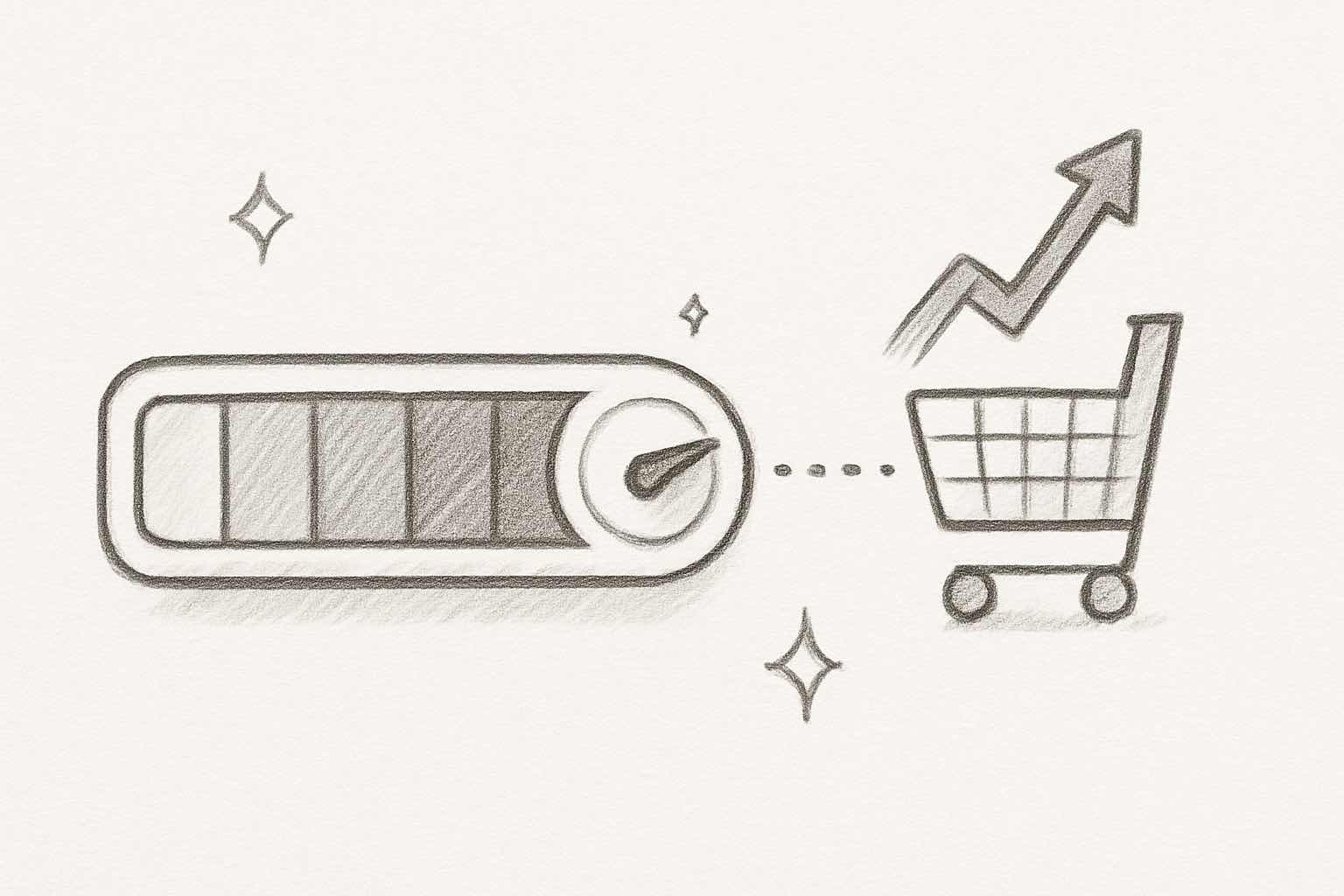
Companies with NPS scores above 50 grow 2.5x faster than competitors and see 50% higher customer lifetime values. So even a modest improvement from 35 to 50 can move the needle on revenue.
When and how to survey your customers
Getting the timing right matters more than most people think. Send a survey at the wrong moment and you'll get skewed data (or no data at all).
Transactional NPS vs relationship NPS
There are two distinct approaches:
- Transactional NPS: Sent after a specific event, like a purchase, a support interaction, or a return. Measures how you performed at that touchpoint.
- Relationship NPS: Sent on a regular schedule (quarterly or biannually) regardless of recent activity. Measures overall brand sentiment.
Most ecommerce stores benefit from both. Transactional NPS tells you what's working and what's broken. Relationship NPS tells you whether the overall trend is heading up or down.
Best timing for ecommerce NPS surveys
- Post-purchase (2-3 days after order): Captures the buying experience before delivery. Good for measuring website, checkout, and confirmation flow.
- Post-delivery (5-7 days after delivery): The most common and most reliable timing. Measures the full experience including product quality and shipping speed.
- Post-support (within 24 hours of a support interaction): Measures customer service quality. Essential if you're investing in phone support or live chat.
Post-purchase surveys get about 3x higher response rates than randomly timed emails. Timing matters.
Keeping response rates high
- Keep it short: One NPS question plus one optional open-ended follow-up ("What's the main reason for your score?"). That's it.
- Use multiple channels: Email works, but adding SMS can boost response rates by 20-30%.
- Don't over-survey: Quarterly for relationship NPS. Per-event for transactional. Never both in the same week.
- Make it personal: Use the customer's first name and reference their recent order.
Survey fatigue is real. If your customer service response time emails, order updates, and marketing campaigns are already filling inboxes, be thoughtful about when you add another touchpoint.
What a good ecommerce NPS actually tells you
The score itself is just the starting point. The real value comes from understanding what each group means for your business.
Promoters (9-10) are your referral engine. They drive word-of-mouth, leave positive reviews, and have the highest customer lifetime value. Loyal customers spend 67% more than new ones, and promoters purchase 90% more frequently. These are the people you want to activate with referral programs and review requests.
Passives (7-8) are the silent risk. They're satisfied enough not to complain, but not loyal enough to stick around. One bad experience, one competitor coupon, and they're gone. Moving passives to promoters increases their lifetime value by about 22%.
Detractors (0-6) are the loudest group. They leave negative reviews, tell friends to avoid your store, and churn faster than any other segment. But here's the counterintuitive part: a detractor who has their issue resolved quickly can become a stronger promoter than someone who never had a problem in the first place.
The most important question in your NPS survey isn't the 0-10 rating. It's the follow-up: "What's the main reason for your score?" Without that, NPS is just a number. With it, you get a roadmap for improvement.
7 ways to improve your ecommerce NPS
Knowing your score is step one. Doing something about it is where the money is. Here are seven strategies that actually move the needle.
1. Close the feedback loop fast
When a detractor leaves a score, you have a narrow window to fix it. Respond within 24-48 hours. Acknowledge the issue, investigate, and offer a specific resolution.
This isn't just good service. It's good math. Reaching out to detractors within 24 hours can recover 25-40% of them. That's a direct NPS boost.
The process is simple:
- Detractors (0-6): Personal outreach within 24 hours. Ask what went wrong. Fix it.
- Passives (7-8): Thank them. Ask what would make it a 9 or 10.
- Promoters (9-10): Thank them and ask for a review or referral.
2. Speed up delivery and simplify returns
Delivery speed is the single biggest NPS driver in ecommerce. Stores offering same-day or next-day delivery score 20+ points higher than those with standard shipping timelines.
Returns matter just as much. Easy return policies boost NPS by 15-25 points. And here's a surprising stat: customers who go through a smooth return process actually become promoters more often than customers who never returned anything. The return experience is a trust-building moment.
3. Make customer support actually reachable
Stores that offer phone support see 10-15% higher NPS compared to chat-only stores. Why? Because phone calls resolve complex issues faster, and speed of resolution directly impacts how customers rate their experience.
The problem for most ecommerce stores is that 24/7 phone support is expensive. A single support agent costs $35,000-50,000/year, and customers call outside business hours more often than you'd think.
That's where AI phone agents come in. Ringly.io puts an AI agent on your phone line that handles order lookups, return requests, and product questions 24/7 in 40 languages. It resolves about 73% of calls without a human, which means your response time stays fast even at 2 AM. Try it free for 14 days and see how it affects your post-support NPS scores.
4. Personalize the experience
Personalization isn't just a conversion tactic. It directly impacts NPS. Personalized product recommendations, tailored email flows, and customized order follow-ups can increase your score by 10-15 points.
Customers who feel understood rate their experience higher. It's that simple. Start with post-purchase email sequences that reference the specific products they bought, then build from there.
5. Survey by segment, not just overall
A single NPS number for your entire store hides more than it reveals. Break it down:
- By purchase recency and frequency (RFM): First-time buyers vs repeat customers often give very different scores.
- Pre-delivery vs post-delivery: If your pre-delivery NPS is high but post-delivery drops, shipping or product quality is the issue.
- By product category: Some product lines might have consistently lower scores.
- By support channel: Compare NPS after phone calls vs chat vs email to see which channel performs best.
Segmented NPS shows you exactly where to focus your customer experience optimization efforts.
6. Turn promoters into advocates
Your 9-10 scorers are telling you they love your brand. Don't let that signal go to waste.
- Referral programs: Offer promoters a discount or credit for every friend they bring in. Target these specifically at NPS promoters, not your entire list.
- Review requests: Ask promoters to leave reviews on your product pages. They're already primed to say yes.
- Loyalty programs: Give promoters early access to new products, exclusive discounts, or VIP tiers.
7. Track trends, not snapshots
A single NPS measurement is interesting. A trend line over 6-12 months is actionable. Track your score monthly or quarterly and correlate it with changes you've made.
According to CustomerGauge research, a 10-point NPS increase correlates with a 3.2% increase in upsell revenue. Every +10 points also correlates with approximately 5-8% higher customer retention. So even small, steady improvements compound over time.
Set a simple tracking cadence: measure quarterly, review results with your team, pick one improvement area, execute, and measure again. That cycle is worth more than any single score.
If you're looking to boost your NPS through better customer service automation, Ringly.io handles the phone support side. Setup takes about three minutes. See how it works.
The honest limitations of NPS
NPS is useful, but it's not perfect. Here's where it falls short:
- It doesn't explain why: A score of 6 tells you someone's unhappy. It doesn't tell you whether it's shipping, product quality, or support. That's why the follow-up question is essential.
- Timing bias: A customer surveyed right after a frustrating delivery will score differently than the same customer surveyed a week later. The score reflects a moment, not the full relationship.
- Sample bias: Only engaged customers respond to surveys. The truly indifferent (or the ones who've already left) never fill it out.
- It can be gamed: Some companies coach staff to push for 9s and 10s. That inflates the score without improving the experience.
- Passives get ignored: Scores of 7 and 8 are excluded from the formula, but these customers might still recommend you. The binary promoter/detractor split is a simplification.
The best approach? Use NPS alongside other metrics like CSAT (customer satisfaction score), CES (customer effort score), and customer retention rate. Think of NPS as a thermometer. It tells you the temperature, but you still need a doctor to diagnose the problem.
Despite these limitations, NPS remains one of the most widely adopted customer experience metrics in ecommerce. The key is treating it as one input, not the only input.
Frequently asked questions
What is a good net promoter score for ecommerce?
Anything above 30 is considered good for ecommerce. The industry average sits between 45 and 62 depending on the study. Scores above 50 are excellent, and above 70 puts you in world-class territory alongside brands like Chewy and Zappos.
How often should I send NPS surveys to my customers?
For relationship NPS, quarterly works well for most ecommerce stores. For transactional NPS, send within a few days of the specific event (purchase, delivery, support interaction). Don't send both types in the same week to avoid survey fatigue.
What is the difference between NPS and CSAT?
NPS measures loyalty and likelihood to recommend. CSAT measures satisfaction with a specific interaction. NPS is forward-looking (will they come back?), while CSAT is backward-looking (were they happy with what just happened?). Most stores benefit from tracking both.
Can NPS predict customer churn in ecommerce?
Yes, to a degree. Detractors churn at significantly higher rates than promoters. Every 10-point drop in NPS correlates with roughly 5-8% lower retention. But NPS alone isn't a precise churn predictor. Pair it with purchase frequency and recency data for a clearer picture.
How do I improve my NPS if most scores are 7-8 (passives)?
Passives are actually your biggest opportunity. Reach out and ask what would make it a 9 or 10. Often it's small things: faster shipping, a more personal touch, or better support availability. Moving passives to promoters increases their lifetime value by about 22%.
Does phone support affect NPS scores?
Yes. Stores with phone support score 10-15% higher on NPS compared to chat-only stores. Phone resolves complex issues faster, which directly impacts customer ratings. AI phone agents like Ringly.io make 24/7 phone support affordable for stores of any size.
What tools can I use to measure NPS on Shopify?
Several Shopify apps handle NPS surveys: Affiniv, Customer.guru, Callexa, and Grapevine Surveys are popular options. Most integrate directly with your Shopify order data and automate survey timing based on delivery status. For post-support NPS specifically, tools that integrate with your helpdesk app work best.
Your NPS is a starting point, not the finish line
NPS gives you a clear, trackable number that correlates with revenue, retention, and growth. That's valuable. But the score alone doesn't improve anything.
The real work happens when you close the loop with detractors, convert passives, and activate promoters. It happens when you speed up shipping, simplify returns, and make support available when customers actually need it, not just during business hours.
If phone support is the gap in your customer service strategy, Ringly.io gets your AI phone agent live in about three minutes. It's one of the fastest ways to improve post-support NPS scores without hiring.
Start measuring. Start improving. The compound effect of even small NPS gains over 12 months will surprise you.