
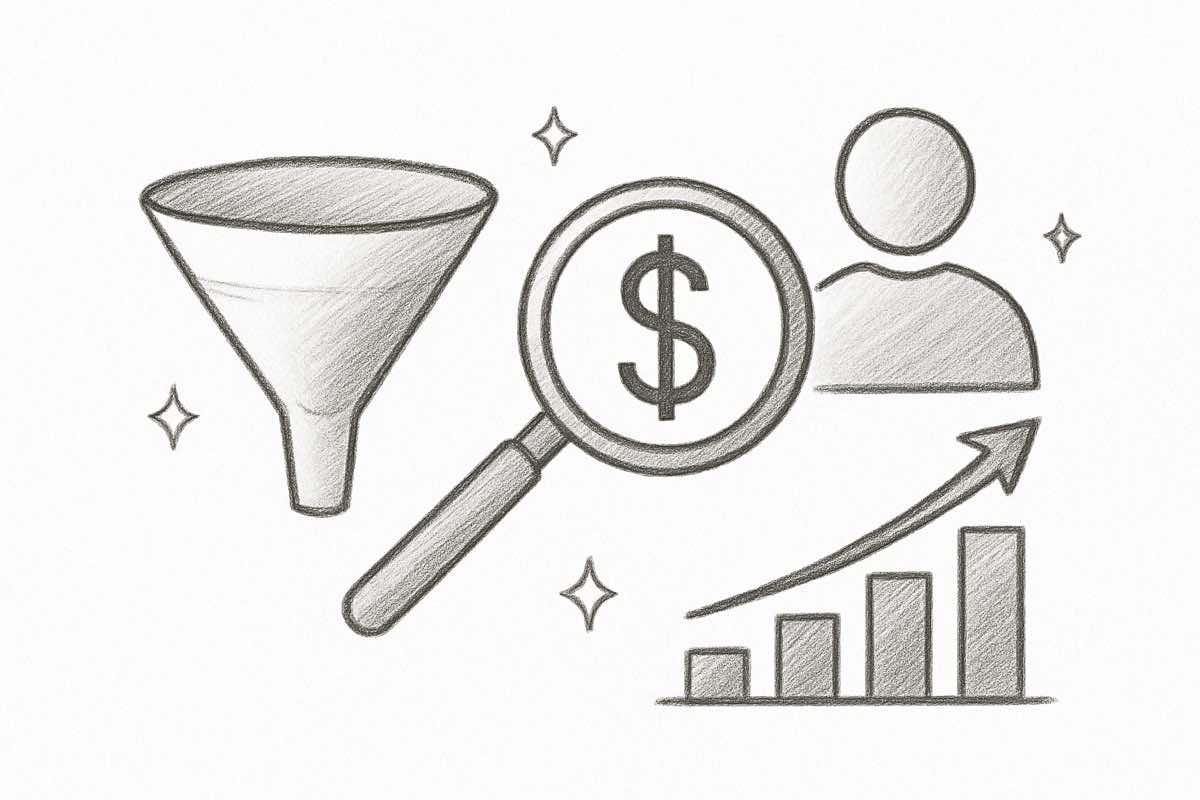
Ecommerce customer acquisition cost is up roughly 40% since 2023, and most brands are still spending like nothing has changed. The cheap-growth era is over. If you can't show a payback period under 120 days and an LTV:CAC ratio north of 3:1, you're burning cash to acquire customers a competitor will keep.
This guide pulls together 45 ecommerce customer acquisition cost statistics for 2026, grouped by benchmark, channel, vertical, and retention math. Every stat is sourced. Use it to sanity-check your own numbers.
Hear what AI support calls sound like for your store. Just paste your Shopify URL and hear sample calls for your store, no email required. Listen to demo calls for my store.
Key highlights
- Average ecommerce CAC sits between $68 and $84 across categories, up 40% in two years. (Source)
- Shopify's Global Commerce Report found CAC rose from $274 to $318, a 16.1% jump. (Source)
- It costs 5 to 7 times more to acquire a new customer than retain one. (Source)
- A 5% increase in retention lifts profit by 25% to 95%. (Source)
- 88% of subscription brands saw CAC rise in 2025. (Source)
- Email marketing delivers the lowest CAC ($8 to $15) and the highest ROI (45:1 in retail/ecom). (Source)
- The 3:1 LTV:CAC ratio is the minimum for sustainable ecommerce growth. (Source)
Average ecommerce CAC benchmarks
The headline number depends on who you ask. Small DTC brands and large enterprise merchants live in different worlds. Here's the range.
1. Average ecommerce CAC sits between $68 and $84 in 2026. This is the blended range across categories, and it's trending higher every year. (Source)
2. Shopify's 2026 Global Commerce Report shows CAC rose from $274 to $318. That's a 16.1% increase across 4.8 million active merchants. (Source)
3. Average retail CAC hit $226.38 in 2024. That was a 7% year-over-year increase as ad platforms kept raising their premiums. (Source) See our full customer service cost statistics for 2026 for where those dollars often end up.
4. Ecommerce CAC has risen roughly 60% over the past five years. Paid ad inflation, iOS tracking changes, and more competition all pushed costs up. (Source)
5. CAC jumped 40% to 60% between 2023 and 2025. This is the steepest short-term climb the industry has seen. (Source)
6. CAC rose from $9 per customer in 2013 to $29 by 2022. That's before the 2023 to 2025 acceleration, meaning today's costs are several multiples higher than a decade ago. (Source)
7. 68% of DTC brands underestimate their true CAC by 20% to 40%. Most founders count paid ads only and miss affiliate commissions, content costs, creative testing, and platform fees. (Source)
8. Once hidden costs are included, the full CAC stack runs $60 to $120 per customer. That's the real number for most small and mid-size DTC brands. (Source)
CAC by vertical
Category matters more than almost anything else. A $50 CAC is great for supplements and catastrophic for novelty mugs.
9. DTC pet products have the lowest CAC at $23 per customer. Repeat purchase behavior and niche communities keep acquisition cheap. (Source)
10. DTC beauty CAC averages $42. Solid repurchase rates help, but creative fatigue hits beauty brands fast. (Source) For a deeper look, see beauty ecommerce trends for 2026.
11. DTC fashion CAC sits at $37. That's deceptive though, since fashion typically has weaker retention and thinner margins. (Source)
12. DTC food brands average $51 CAC. Subscription models and repeat ordering make food one of the more forgiving verticals. (Source)
13. DTC home goods CAC is $45. Mid-range, but longer purchase cycles mean payback takes longer than it looks. (Source)
14. DTC fitness brands spend $67 to acquire a customer. Apparel and equipment sit in a competitive auction against huge incumbents. (Source)
15. DTC supplements have the highest typical DTC CAC at $89. It's the tradeoff for loyal, high-LTV subscription customers. (Source) Find more context in our supplement ecommerce growth strategy.
16. Luxury goods brands face CAC of $120 to $400. The category average sits near $175, with premium merchants often pushing well past $800. (Source)
17. Food and beverage brands have the lowest category CAC at $45 to $53. Low price points, impulse buys, and subscription options keep CAC tight. (Source)
18. Consumer electronics CAC ranges from $76 to over $377. Higher ticket means higher willingness to pay for each acquisition, but competition is brutal. (Source)
19. Mass-market commodity sellers average $140 CAC. Mid-market brands average $420, and premium/luxury merchants hit $890. (Source)
20. Travel has an average CAC of $7; retail $10; consumer goods $22. Physical retail and travel enjoy vastly lower costs than online-only DTC. (Source)
CAC by marketing channel
Channel mix is where brands either find efficiency or lose it. Paid social and search have inflated the most, while email and referral remain steady bargains.
21. Google Ads average CPC in 2026 sits at $2.69. Shopping ad CPCs jumped 33.72% to $3.49. (Source)
22. Average cost per acquisition on ecommerce search ads is $45.27. That assumes a healthy conversion rate of about 4.40%. (Source)
23. Google Ads CPCs rose 12.88% year-over-year in 2025. The auction keeps getting more crowded. (Source)
24. Facebook Ads CAC in 2026 ranges from $20.47 to $39.03 by industry. Food and drink sit at the low end; sports sit at the top. (Source)
25. Beauty and health Facebook Ads CAC averages $34.29. Strong margins still justify the spend, but barely. (Source)
26. Meta's median CPA in 2025 was $38.17. CPM rose 20.03% year-over-year to $13.48. (Source)
27. TikTok CPM climbed 16% year-over-year to $13.26 in 2025. The gap with Meta is shrinking fast. (Source)
28. TikTok CPA rose 8.64% to $32.74 in 2025. Conversion rates on the platform slipped 6.20% to 2.01%. (Source)
29. High-performing TikTok creative loses 40% of efficiency within 7 to 10 days. Creative velocity now matters more than audience targeting. (Source)
30. Average Shopify CAC via Facebook ads is $58; Google Shopping is $45. Google Shopping remains the efficiency leader for product-focused DTC. (Source)
31. Email marketing delivers the lowest CAC in ecommerce at $8 to $15. It outperforms paid social by a factor of 3 to 5 on acquisition cost alone. (Source)
32. Email marketing generates $36 to $40 in ROI per dollar spent. For retail, ecommerce, and consumer goods specifically, the ROI climbs to 45:1. (Source)
33. Influencer marketing returns about $5.78 for every $1 spent. Rising creator fees are the top challenge for 35.4% of marketers. (Source)
Retention vs acquisition: the real CAC lever
Acquiring a new customer is the single most expensive thing your brand does. Keeping one is where the profit hides.
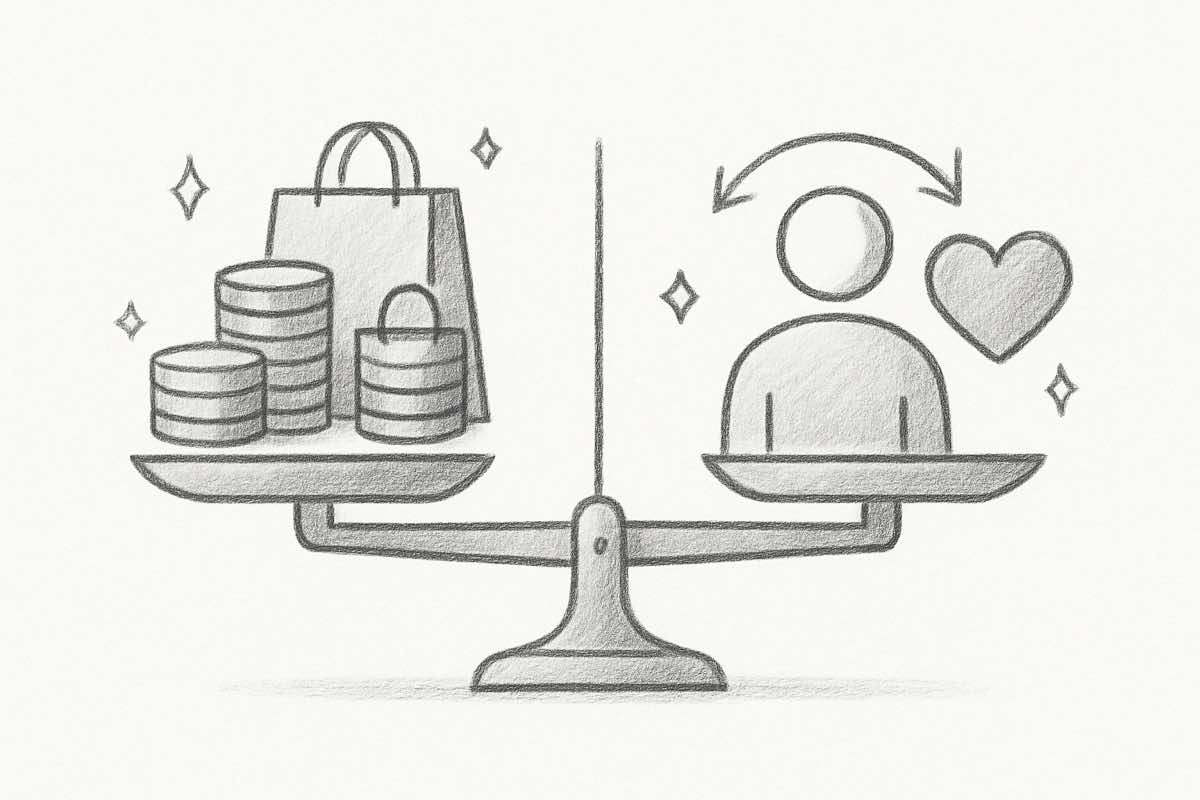
34. Acquiring a new customer costs 5 to 7 times more than retaining an existing one. Some estimates push it to 25x depending on industry. (Source)
35. Increasing retention by just 5% boosts profit by 25% to 95%. It's the cheapest profit lever most DTC brands ignore. (Source) Dig deeper in our customer retention statistics for 2026.
36. The probability of selling to an existing customer is 60% to 70%. For a new prospect, it drops to 5% to 20%. (Source)
37. 88% of subscription brands reported higher acquisition costs in 2025. The more you depend on recurring revenue, the more retention math matters. (Source)
38. Only about 25% of iOS users opted in to app tracking after ATT. That's the single biggest reason Meta CAC jumped post-2021. (Source)
Retention isn't just loyalty programs. Phone support, quick WISMO answers, and proactive communication all move retention in the same direction. Ringly handles all of that in the background. If you're on Shopify, try Ringly for free and get Seth answering calls in under 1 hour. See the full playbook in ecommerce customer retention and reduce customer churn on Shopify.
LTV:CAC ratios and payback periods
These are the two numbers investors care about. Get them right and you can raise money. Get them wrong and you can't keep the lights on.
39. A 3:1 LTV:CAC ratio is the minimum for sustainable ecommerce growth. Ratios below 2:1 signal immediate trouble. (Source)
40. The sustainable DTC operating range is 3:1 to 4:1. Above 5:1 usually means you're under-investing in growth. (Source)
41. A "good" CAC payback period for DTC in 2026 is 90 to 120 days. Anything beyond 6 months puts real pressure on working capital. (Source)
42. Higher-ticket brands can tolerate payback up to 12 months. Furniture, electronics, and specialized equipment have the margin to wait. (Source)
43. B2C ecommerce SaaS companies average $64 CAC. It's one of the cleaner comparisons to native DTC. (Source)
Read more on the LTV side of the equation in customer lifetime value for ecommerce and ecommerce AOV. If you're thinking about win-backs, see ecommerce customer win-back strategy.
Emerging trends: AI and automation
Brands that adopt AI across support, recommendations, and retargeting are starting to pull away from the pack on CAC.
44. Merchants using AI recommendations plus UGC retargeting plus one-click mobile checkout report $198 CAC. That's 37.7% below the category average. (Source)
45. Google Ads cost per lead across all verticals hit $70.11 in 2026. It's a useful baseline for how much acquisition has inflated at the top of the funnel. (Source)
What this means for ecommerce brands
The single cleanest takeaway from 2026's CAC data: you can't out-spend the auction. Meta, Google, and TikTok are all more expensive than they were a year ago, and iOS privacy changes have made targeting worse at the exact moment prices went up. Brands that keep leaning on paid as the only growth lever are trapped.
The lever that still works is retention. If you can get a customer to buy twice instead of once, your effective CAC gets cut in half. If you can push retention up 5%, you lift profit by 25% to 95%. That's a bigger return than almost any ad optimization you'll run this year. See customer loyalty statistics for 2026 for more on what drives repeat behavior.
Phone support is one of the most underrated retention plays. When a customer has a problem with an order, an answered phone turns an angry email into a thank-you. A missed call turns into a refund request or a chargeback. Most Shopify brands either don't offer phone support, or they offer it and miss half the calls. Both options cost real money downstream. See missed calls in ecommerce and the benefits of ecommerce phone support for the full picture.
Ringly runs AI phone support for Shopify stores and has handled 200,000+ calls. Seth picks up in about half a second, handles order lookups, returns, and product questions, and escalates complex calls to a human. Resolution rate is around 73%, which means most calls never bother you or your team. Setup takes under 1 hour. Try Ringly for free and see what it does for your LTV:CAC ratio.
Frequently asked questions
What is the average customer acquisition cost for ecommerce in 2026?
The average ecommerce CAC sits between $68 and $84 across categories, though Shopify's 2026 Global Commerce Report pegs the merchant-wide average at $318 after counting all acquisition costs. The variance depends on vertical, channel mix, and whether you include hidden costs like email acquisition and affiliate commissions.
Why is ecommerce CAC rising so fast?
Three big reasons: iOS privacy changes (only 25% of iOS users opted in to tracking), ad auction inflation from giants like Amazon and Temu, and more DTC brands bidding on the same keywords. Google CPCs rose 12.88% year-over-year in 2025 and Meta CPMs rose 20%.
What's a healthy LTV:CAC ratio for ecommerce?
3:1 is the minimum for sustainability. Most DTC brands should aim for 3:1 to 4:1. A ratio above 5:1 often means you're under-spending on growth and leaving market share on the table.
How does CAC differ by vertical?
Pet products have the lowest DTC CAC at $23, while supplements hit $89 and luxury goods can top $400. Food and beverage brands sit near $50, beauty at $42, and fashion at $37. Full benchmarks are in the tables above.
Which channel has the lowest CAC in ecommerce?
Email marketing, at $8 to $15 per customer acquired, blows everything else out of the water. It also returns $36 to $40 per $1 spent, with retail/ecommerce/consumer goods hitting 45:1 ROI. Referral programs and organic SEO come next.
What is a good CAC payback period for DTC?
90 to 120 days for most DTC verticals. Under 6 months is ideal. Higher-ticket categories like furniture or electronics can tolerate up to 12 months because gross margins are fatter.
How much more does it cost to acquire a customer than retain one?
5 to 7 times more on average, with some industries hitting 25 times more. Boosting retention by just 5% can lift profit by 25% to 95%, which is why retention is usually a better growth lever than doubling ad spend.
Can AI phone support actually reduce CAC?
Indirectly, yes. Phone support doesn't lower acquisition cost but it lifts retention and LTV, which changes the math on your LTV:CAC ratio. When Seth resolves up to 90% of calls and prevents a chargeback or cancellation, that's a customer you don't need to re-acquire.