
Picking a conversational AI platform feels like navigating a maze blindfolded.
Every vendor promises to transform your customer support, but then you're stuck with a six-month implementation, surprise invoices, and a tool that doesn't quite fit how your team actually works.
Yellow.ai has built a solid reputation, especially for enterprises needing sophisticated voice automation.
But that reputation comes with baggage.
Many teams are actively searching for Yellow AI alternatives because they're tired of opaque pricing, lengthy rollouts, and feeling locked into an ecosystem that moves at its own pace.
I spent time with seven platforms that actually compete with Yellow.ai. Some are built for enterprises with complex needs.
Others prioritize speed and transparency. All of them solve real problems that Yellow.ai users complain about.
Editor’s note: Want to hear some sample AI support calls made for your Shopify store?
- Just paste your store URL
- Get sample calls in under 20 seconds (no email required)
- Listen to demo calls for my store
What is Yellow AI?
Yellow.ai launched in 2016 from Bengaluru and quickly became known for enterprise conversational AI.
Their platform handles chatbots, voice bots, and omnichannel messaging across WhatsApp, websites, mobile apps, and phone systems.
The company built its reputation on voice automation through VoiceX, which includes features like SmoothTalk AI and Sentiment AI.
For large call centers, this is genuinely impressive technology.
But here's the catch. Yellow.ai's enterprise focus creates friction for smaller teams. Implementation typically takes weeks or months.
Pricing requires custom quotes, making budgeting nearly impossible.
And the platform's all-in-one nature means you're either fully committed to their ecosystem or struggling to integrate specialized tools.
How we evaluated these Yellow AI alternatives
I looked at each platform through a practical lens. Not what the marketing materials claim, but what actually matters when you're trying to automate customer conversations.
Here's what I focused on:
- Speed to launch - Can you get value in days, or does it require months of implementation?
- Pricing transparency - Do they publish prices, or do you need to sit through sales calls?
- Integration flexibility - Does it work with your existing stack, or force migration?
- Feature depth - Are the AI capabilities genuinely useful, or just checkbox features?
- Scalability - Can it grow from pilot to production without breaking?
I tested each platform hands-on where possible, reviewed documentation, verified pricing from official sources, and cross-referenced user reviews from G2, Gartner, and Capterra.
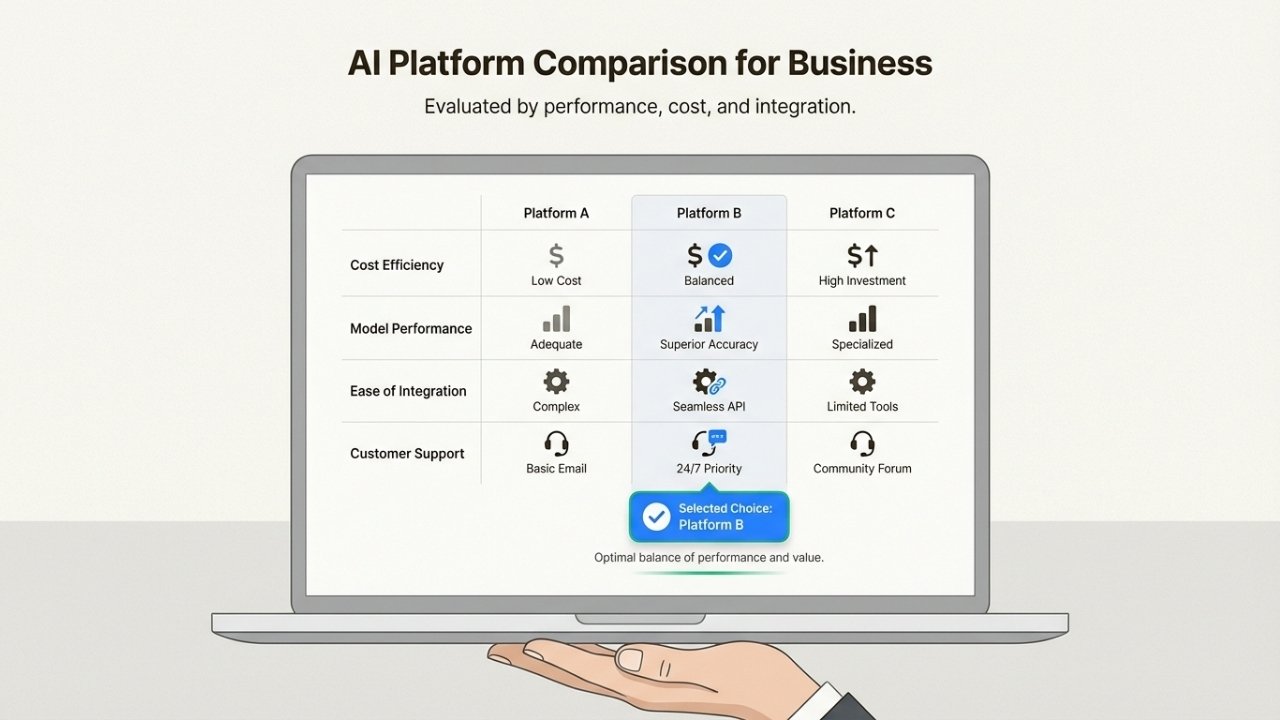
Yellow AI alternatives at a glance
| Platform | Best For | Starting Price | Key Strength | G2 Rating |
|---|---|---|---|---|
| Kore.ai | Enterprise automation | $0.20/conversation | Deep NLP & governance | 4.2/5 |
| Rasa | Technical teams | Free (open source) | Full control, no lock-in | N/A |
| Intercom Fin | Product-led teams | Tiered plans | Easy setup, great UX | 4.5/5 |
| Twixor | Visual journey builders | Custom tiers | Intuitive no-code builder | 4.9/5 |
| Ada | High-volume support | Custom enterprise | 84% automation rates | 4.5/5 |
| eesel AI | Quick deployment | $299/mo | Works with existing tools | N/A |
| Verloop.io | Multilingual needs | Custom pricing | Strong localization | 4.7/5 |
1. Kore.ai
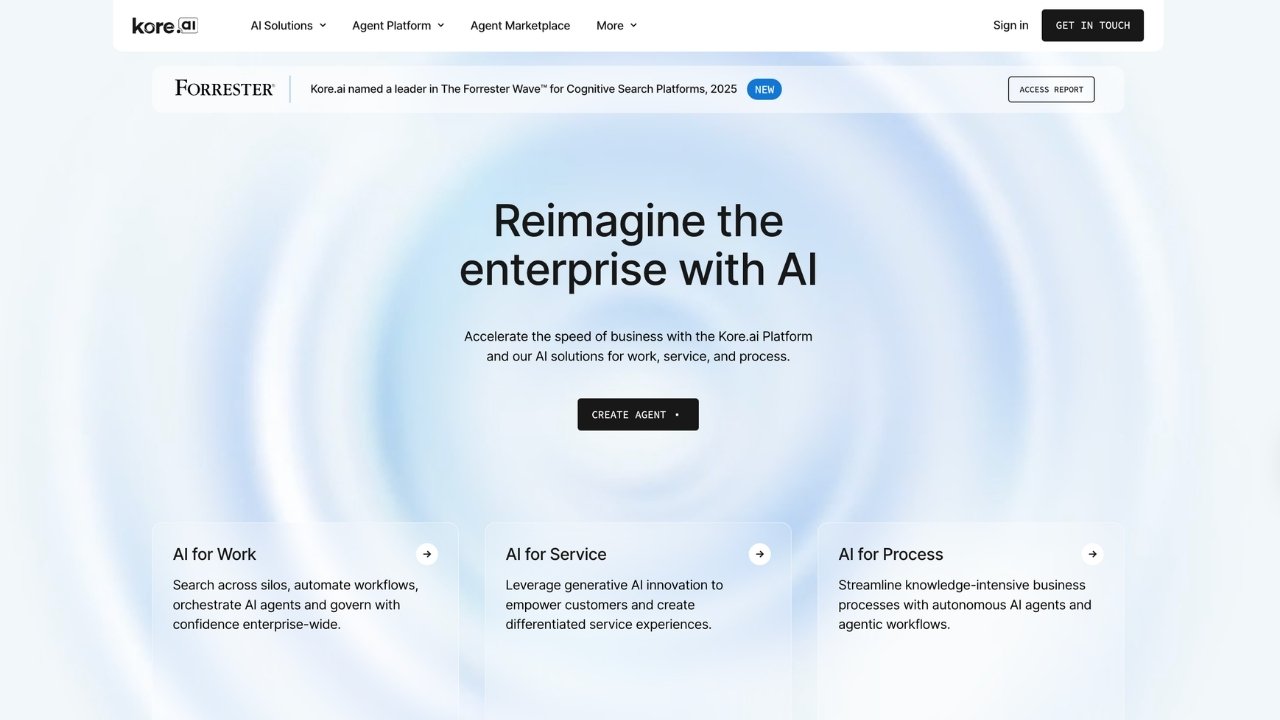
Kore.ai is built for enterprises that need serious AI capabilities without compromising on governance.
The platform offers a visual no-code and low-code builder called Tool Flow that lets teams map complex business processes.
What sets Kore.ai apart is its natural language understanding engine. It handles complex intents, large vocabularies, and nuanced conversations better than most generalist platforms.
For regulated industries, the on-premise deployment option and Bring Your Own Key encryption are genuine differentiators.
The pricing structure is straightforward for a platform of this caliber.
The Standard Plan runs on a pay-as-you-go model at $0.20 per conversation with a $500 free credit to start. Enterprise plans are custom, which is expected for this tier.
Pros:
- Highly customizable with both visual and code-based building options
- Strong enterprise security and compliance features
- Extensive integration ecosystem including Salesforce, Oracle, SAP, and ServiceNow
- Mature governance controls for large organizations
Cons:
- Complex implementation requires technical expertise
- Can feel intimidating for non-technical users
- Custom enterprise pricing puts it out of reach for smaller teams
Why it beats Yellow.ai: Kore.ai offers more mature governance controls and deeper customization for internal workflows. If you're already in the enterprise tier, the platform feels more flexible and less prescriptive.
2. Rasa
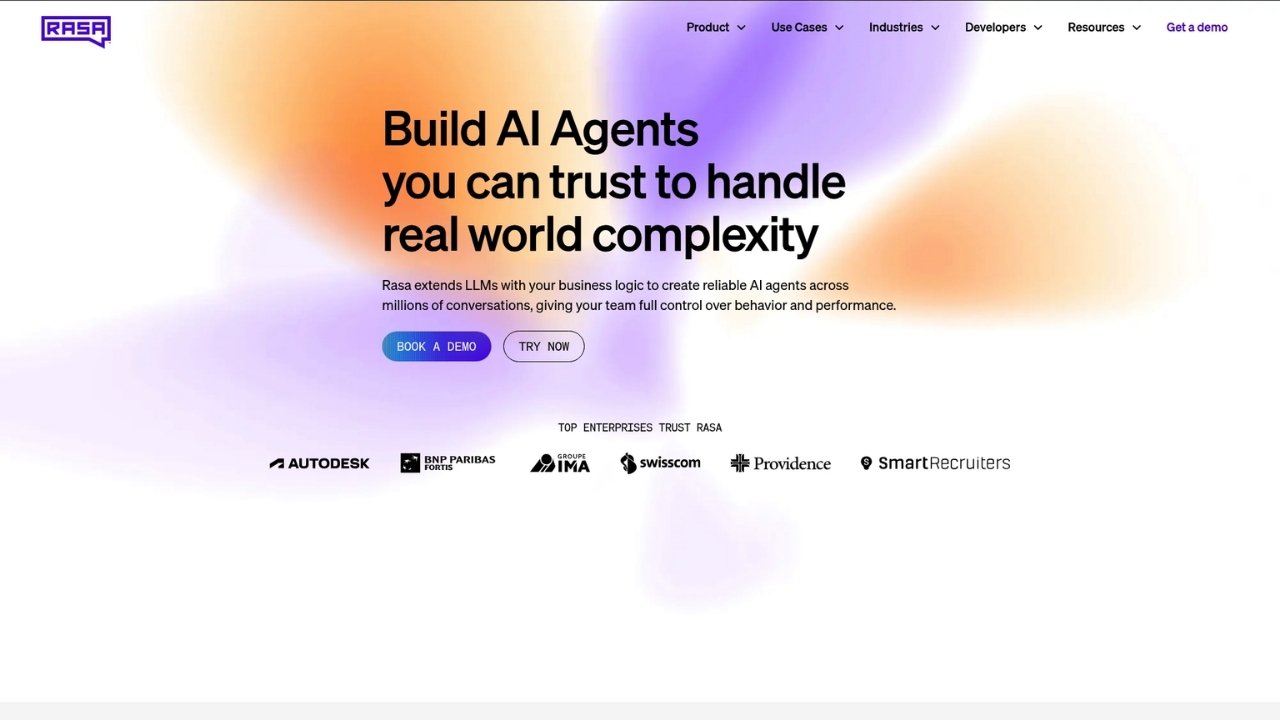
Rasa takes a fundamentally different approach. It's an open-source framework that gives developer teams complete control over their conversational AI.
No vendor lock-in. No black box algorithms. Full deployment flexibility.
The platform uses the CALM (Conversational AI with Language Models) framework, which addresses a common generative AI problem: hallucinations.
CALM captures layered meanings, clarifies uncertain language, and genuinely comprehends user intent rather than just pattern matching.
For teams in regulated industries like finance or healthcare, Rasa's ability to deploy on-premise or in private cloud environments is crucial.
You own your data, your models, and your deployment infrastructure.
Pros:
- Complete customization without vendor restrictions
- LLM-agnostic capabilities let you choose and switch between models
- Active developer community with comprehensive documentation
- No licensing fees for the open-source version
Cons:
- Requires solid in-house technical expertise
- Setup time is significantly longer than proprietary platforms
- You're responsible for maintenance and updates
Why it beats Yellow.ai: Rasa eliminates vendor lock-in entirely.
For companies that value data sovereignty and want to avoid being trapped in a proprietary ecosystem, this is the clearest alternative.
3. Intercom Fin
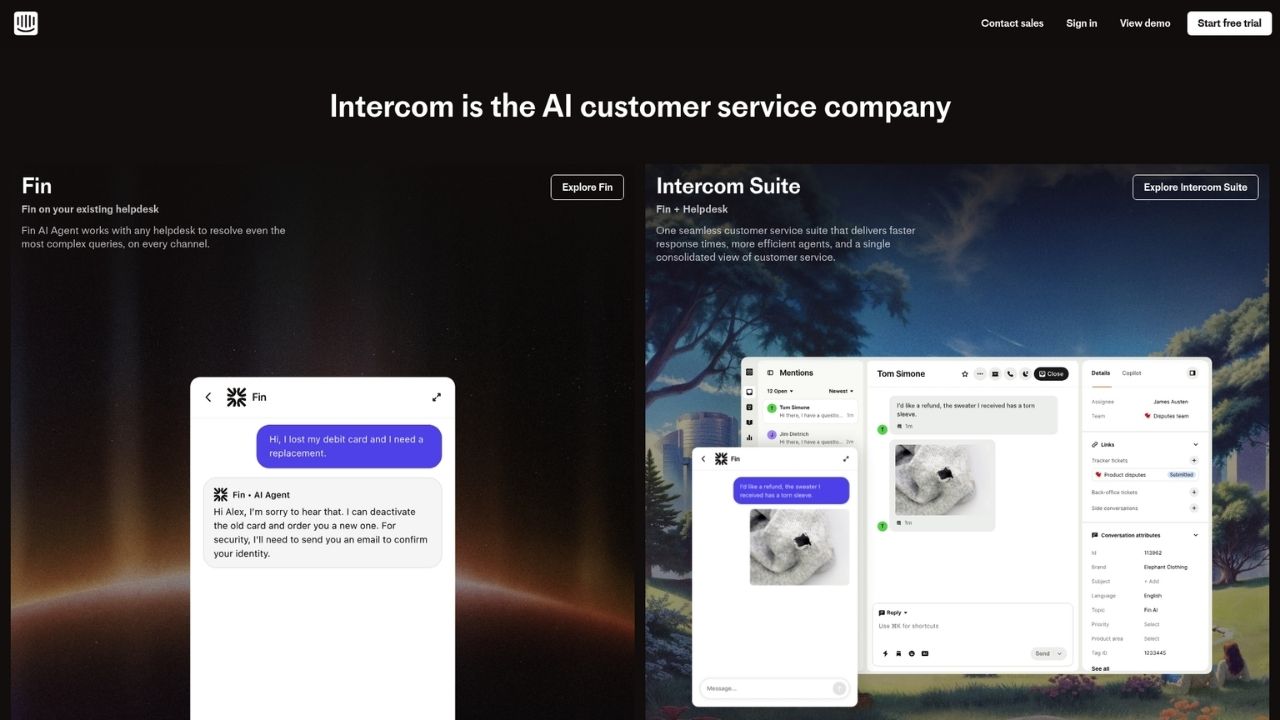
Intercom has been a fixture in customer messaging for years.
Their Fin AI agent represents a mature approach to support automation that balances AI efficiency with human oversight.
The platform shines in its integration capabilities. Fin connects seamlessly with existing helpdesks, CRMs, and knowledge bases.
You don't need to migrate everything to Intercom's ecosystem to get value.
What impressed me most was the user experience.
The interface is clean, the setup process is genuinely fast, and the handoff between AI and human agents feels natural rather than jarring.
Pros:
- Exceptionally easy setup compared to enterprise platforms
- Strong balance of automation and live support capabilities
- Excellent user interface and overall experience
- Robust integration ecosystem
Cons:
- Pricing can escalate quickly at scale
- Less customizable than developer-focused platforms
- Some advanced features require higher-tier plans
Why it beats Yellow.ai: Intercom delivers comparable automation capabilities with a fraction of the implementation complexity.
If you want to be up and running in days rather than months, this is your platform.
4. Twixor
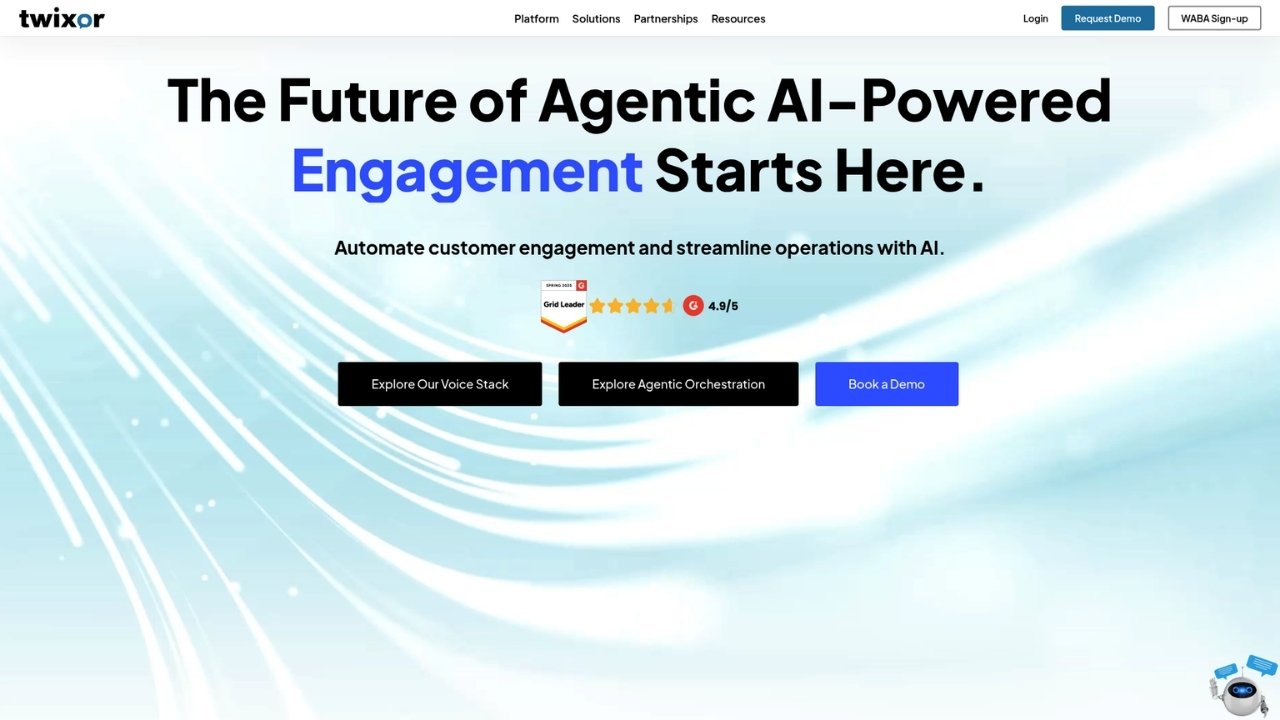
Twixor focuses on omnichannel automation with particular strength in WhatsApp and messaging platforms.
The visual journey builder lets non-technical users map complete customer flows from lead capture to support escalation.
What makes Twixor interesting is how it treats channels.
Rather than treating WhatsApp, Instagram, and SMS as separate modules, it blends them into unified workflows. A customer can start on WhatsApp and continue on Instagram without losing context.
The platform supports rich media including cards, images, buttons, and quick replies.
This makes conversations more interactive than basic text bots without requiring complex development.
Pros:
- Intuitive visual builder that non-technical teams can use
- Strong omnichannel capabilities with context preservation
- Faster deployment than traditional enterprise bot platforms
- Transparent pricing that scales predictably
Cons:
- Smaller ecosystem than established enterprise platforms
- Less suited for complex voice automation
- Fewer pre-built enterprise integrations
Why it beats Yellow.ai: Twixor offers similar omnichannel capabilities with a much more approachable learning curve.
For teams that want enterprise-grade automation without enterprise-grade complexity, it's a compelling option.
5. Ada

Ada positions itself as an "AI Agent" platform with obsessive focus on one metric: Automated Resolution Rate.
The company claims some customers achieve up to 84% of issues resolved without human intervention.
The platform is built for global brands managing millions of customer interactions.
The drag-and-drop conversation builder is accessible to non-developers, though getting the most out of Ada still requires significant setup investment.
Where Ada stands out is analytics. The platform provides detailed insights into resolution rates, conversation flows, and opportunities for improvement.
This data-driven approach appeals to operations teams who need to justify automation investments.
Pros:
- Industry-leading automation rates for high-volume support
- User-friendly conversation builder
- Strong analytics and performance tracking
- Proven track record with major global brands
Cons:
- Enterprise-only pricing requires sales engagement
- Complex setup process despite the visual builder
- Overkill for smaller teams or simpler use cases
Why it beats Yellow.ai: Ada delivers higher automation rates with better analytics.
If your primary goal is deflecting support tickets at scale, Ada's specialization pays off.
6. eesel AI
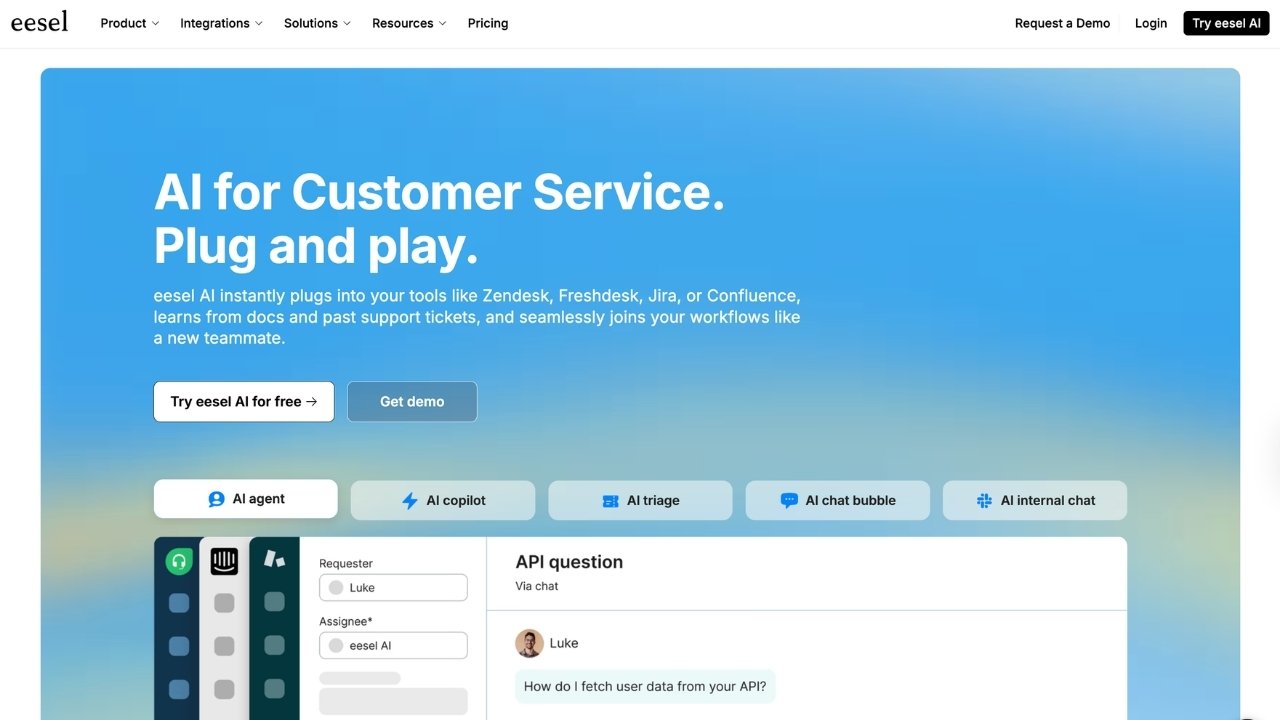
eesel AI takes a refreshingly different approach. Instead of forcing you to migrate to their platform, it plugs into your existing helpdesk and knowledge sources.
Connect Zendesk, Confluence, or any of their 120+ integrations, and you're operational quickly.
The standout feature is simulation. Before going live, you can test the AI against your past tickets to see how it would have performed.
This removes the guesswork and lets you tune the system before customers interact with it.
Pricing is transparent and interaction-based rather than per-seat.
The Team Plan starts at $299 per month for 1,000 interactions, and the Business Plan is $799 for 3,000 interactions. This predictability is rare in the enterprise AI space.
Pros:
- Deploy in minutes, not months
- Works with existing tools instead of requiring migration
- Simulation feature reduces risk before launch
- Clear, predictable pricing
Cons:
- Newer player with less brand recognition
- Smaller feature set compared to full enterprise suites
- Less suited for complex voice automation needs
Why it beats Yellow.ai: eesel AI eliminates the platform migration headache entirely.
If you want AI automation without tearing down your current setup, this is purpose-built for that workflow.
7. Verloop.io
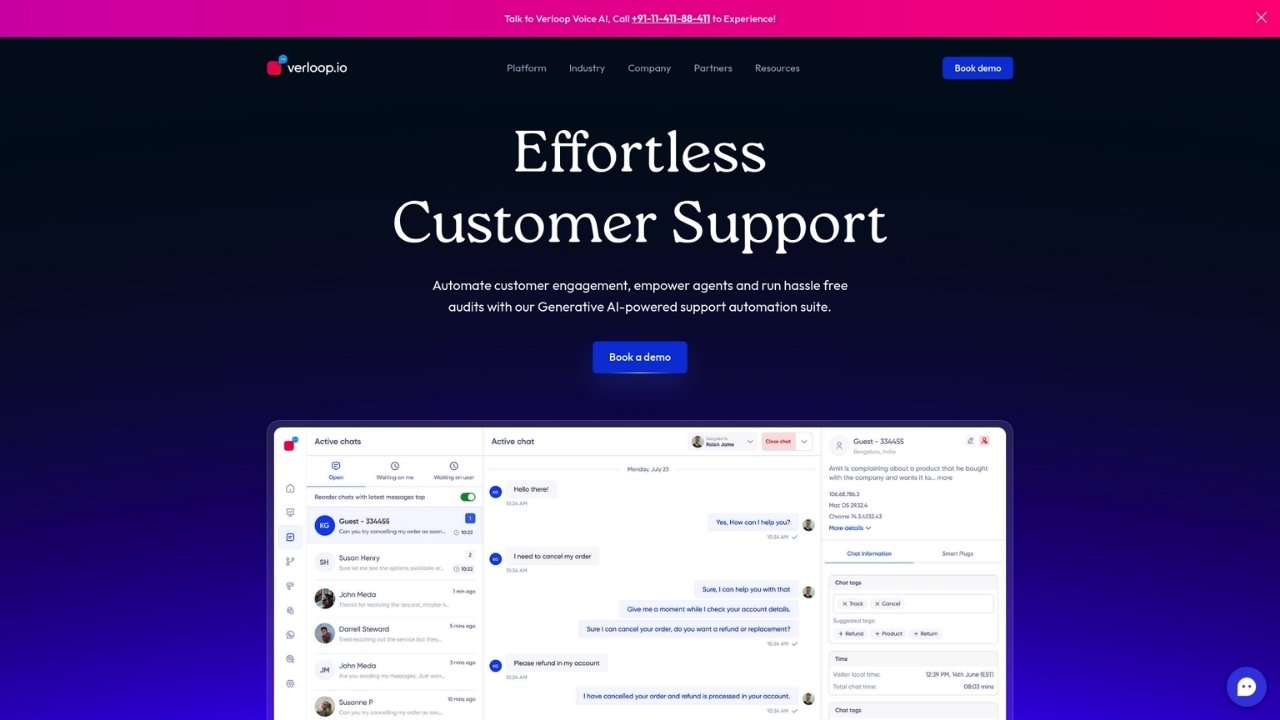
Verloop.io focuses specifically on support automation with particular strength in multilingual capabilities.
For global brands serving diverse markets, the localization features are genuinely impressive.
The platform integrates deeply with knowledge bases, pulling answers directly from your existing documentation.
This reduces the content duplication that plagues many chatbot implementations.
While Verloop.io doesn't have the breadth of features found in generalist platforms, its depth in support-specific use cases makes it efficient for that purpose.
You're not paying for sales and marketing features you'll never use.
Pros:
- Excellent multilingual support across languages and accents
- Strong knowledge base integration
- Purpose-built for support use cases
- Good value for support-focused teams
Cons:
- Limited sales and marketing automation features
- Support-centric design isn't ideal for revenue teams
- Custom pricing requires sales engagement
Why it beats Yellow.ai: Verloop.io does one thing really well: multilingual support automation.
If that's your primary need, the specialization delivers better results than generalist platforms.
Choosing the right Yellow AI alternative
The best platform depends entirely on your situation. Here's how to think about it:
For enterprises with complex needs: Kore.ai or Ada offer the governance, security, and scale you need.
Expect longer implementations and higher costs, but you get capabilities that smaller platforms can't match.
For technical teams wanting control: Rasa is the clear choice. The open-source approach requires more work upfront but pays off in flexibility and cost savings at scale.
For teams wanting fast deployment: eesel AI or Intercom will get you live quickly. Both prioritize user experience and work with your existing tools.
For WhatsApp and messaging focus: Twixor specializes in this area with a visual builder that non-technical teams can manage.
For global support needs: Verloop.io's multilingual capabilities are purpose-built for this challenge.
The key question isn't which platform has the most features. It's which platform solves your specific problems with the least friction.
Why phone support is the forgotten channel
Most conversational AI platforms focus on chat. But there's a significant gap in the market for phone support automation, especially for e-commerce businesses.
This is where Ringly.io takes a different approach. Instead of competing with Yellow.ai on chat, the AI (Ringly's AI phone agent) handles inbound customer calls for Shopify stores.
The setup is remarkably fast. Connect your Shopify store, configure the AI with your policies and FAQs, and deploy a phone number.
Most merchants are live in under 10 minutes, not weeks.
The AI resolves around 70-73% of calls without human intervention. This includes order lookups, return processing, and common questions. When the AI can't help, it escalates smoothly to your team with full context.
Pricing starts at $349 per month for 250 call minutes, with the Grow plan at $349 for 1,000 minutes.
There's a 14-day free trial, and you only start paying after The AI resolves at least 65% of calls over 100 calls in the first 21 days.
If you're running a Shopify store and phone support is part of your customer experience, start your free trial and see how AI phone automation compares to chat-based alternatives.
Frequently Asked Questions
What are the best Yellow AI alternatives for small businesses?
For small businesses, eesel AI at $299/month and Intercom offer the best balance of features and accessibility. Both have transparent pricing and faster setup than enterprise platforms.
Which Yellow AI alternative has the best free plan?
Rasa offers a completely free open-source version with no usage limits. For proprietary platforms, most offer free trials but not ongoing free tiers for production use.
Are there any Yellow AI alternatives specifically for voice automation?
While Kore.ai and Twixor offer voice capabilities, dedicated voice platforms like Ringly.io focus specifically on phone support automation for e-commerce businesses.
What Yellow AI alternative is easiest to set up?
eesel AI and Intercom consistently rank highest for ease of setup. Both can be deployed in hours rather than weeks.
Which Yellow AI alternative offers the best value for enterprise teams?
Kore.ai at $0.20 per conversation offers predictable pricing for enterprises, while Ada delivers the highest automation rates for high-volume support teams.
Can I migrate from Yellow AI to these alternatives easily?
Migration difficulty varies. eesel AI specifically avoids migration by working with your existing helpdesk. Rasa requires rebuilding but offers import tools. Most proprietary platforms require rebuilding conversation flows.
Do any Yellow AI alternatives work with Shopify?
Yes, several alternatives offer Shopify integration. Ringly.io is purpose-built for Shopify phone support, while Intercom, Twixor, and eesel AI all offer Shopify connections.
Also read: