
This guide in 30 seconds.
- Seven fulfillment companies, each with one job it does better than ShipBob, plus the support cost the other roundups skip.
- We sell AI phone support, not fulfillment, so the order below isn't rigged the way a 3PL's own "best alternatives" list always is.
- The thing nobody plans for: switching your 3PL spikes your "where's my order" calls for weeks. Built for $10M-$100M Shopify brands running a real phone line.
ShipBob built a good business on a simple promise: hand us your inventory, we ship your orders, you stop renting a warehouse. For a lot of brands it still works. But the reviews have gotten loud. ShipBob sits at 3.7/5 on G2 across 121 reviews and 3.6/5 on Capterra across 104, and the one-star pile reads the same way every time: lost packages, bills that came in higher than the quote, and a support team you can't get on the phone.
If you run a $10M-$100M Shopify brand and you're reading a ShipBob-alternatives post, you already know which of those hit you. This is the honest version of the comparison, written by people who don't sell fulfillment.
One thing the other guides leave out, and it's the expensive one: when you switch a 3PL, your own phone starts ringing. Tracking links break, delivery promises reset, and customers who were used to two-day shipping start calling to ask where their order is. We've watched that happen across Shopify brands, so the last third of this post is about the support cost of the switch, not just the warehouse. If you want to talk through your specific migration, you can book a 30-min call and we'll map where the calls will land.
Why brands actually leave ShipBob
Most brands don't leave ShipBob because of one disaster. They leave because the curve stops working for them. The pricing creeps, the support stays slow, and somewhere around your next growth tier the math flips.
The single most-cited problem in ShipBob's reviews isn't price, it's lost inventory. In one documented breakdown of ShipBob complaints, shipping delays and lost packages made up 38.5% of issues, inadequate customer service another 25.6%, integration failures 15.2%, fulfillment inaccuracies 10.3%, and hidden pricing or overbilling 8.5%. That's a fulfillment problem and a trust problem stacked on top of each other.
Here are the four reasons that actually show up when brands switch:
- Cost drift. Quotes come in clean and then climb. Merchants on Capterra report shipping costs ballooning 300% past the initial estimate, and dimensional-weight charges that feel like a hidden fee if your packaging isn't dialed in.
- Lost packages and SKU mix-ups. Inventory moved between warehouses and never seen again. SKUs swapped in the box. For a brand doing real volume, a 10% inaccuracy rate is a daily fire.
- Support you can't reach by phone. ShipBob has no public phone number for support, and the tickets that do go in often land with an outsourced team that doesn't know your account. When something breaks at scale, "we'll get back to you in 48 hours" is not an answer.
- Scaling past where the pricing keeps pace. ShipBob is genuinely good for lightweight DTC at moderate volume. The complaints cluster once a brand outgrows that profile, especially heavy or bulky SKUs and B2B.
I'll be fair here. ShipBob is not a bad company. Plenty of operations leads credit it with real freight savings and sub-three-day delivery. The pattern is that it fits a specific shape of brand, and when you grow out of that shape, the friction shows up everywhere at once. That's the moment to shop. For Shopify Plus brands the stakes are higher, because the volume that makes the warehouse creak is the same volume that floods your phone.
When I put this list together, I called the support lines of every fulfillment company on it. Some answered in under a minute. Some routed me to a form. I'll tell you which did which in each section, because how a 3PL treats a stranger on the phone is a decent preview of how they'll treat you at 5 p.m. on a Friday during peak.
ShipBob alternatives at a glance
Here's the quick read before the deep dives. Pricing shapes are honest: where a provider keeps real numbers behind a sales call, the table says so.
| Provider | Pricing shape | Best for | Order minimum | Verdict |
|---|---|---|---|---|
| ShipMonk | Per-order pick + storage tiers, custom quote | Subscription boxes, kitting | None published | Strong software, watch the offboarding |
| ShipHero / LVK | WMS software OR 3PL, custom quote | Brands that want software control | ~500 (3PL) | Flexible, the 2024 split confuses buyers |
| Red Stag | Transparent base pricing, premium per-order | Heavy, bulky, fragile, high-value | ~200 | Best accuracy, only two warehouses |
| Flowspace | Network model, custom quote | Distributed inventory + routing tech | Varies | Great tech, quality varies by partner |
| ShipNetwork | Custom quote | Fast-shipping guarantees | Varies | Solid speed SLAs, less software depth |
| Amazon MCF | Per-unit by weight and size | Brands already deep in FBA | None | Cheap and fast, unbranded boxes |
| Saltbox | From $349/mo access | Owning your own warehouse | N/A | Control without a full 3PL contract |
How I evaluated these ShipBob alternatives
I'm Ruben, co-founder of Ringly. I should say the obvious thing first: we don't sell fulfillment. Ringly is AI phone support for Shopify brands, so I have no warehouse to push you toward and I take no affiliate money on anything below. That's the whole reason this list can be honest. Every 3PL's own "ShipBob alternatives" post ranks itself first. This one can't, because we're not in the race.
Here's what I scored each provider against:
- Pricing transparency. I pulled every public rate card and noted, plainly, where a provider hides the real number behind a sales call.
- Scaling fit. I matched each one to the order volume and product profile where it actually shines, not where its marketing says it does.
- Specialization. Heavy and bulky, subscription boxes, regulated products, B2B. The generalists and the specialists are not interchangeable.
- Support you can reach. I called each company's support line and timed how long it took to reach a human, or to hit a dead end.
- The support cost it creates for you. This is the one nobody measures. I pulled WISMO call-volume data from the Shopify brands on Ringly to see what a fulfillment change does to a brand's own phone line. More on that below, because it's the most underpriced part of switching.
The five weigh equally. Where a provider is excellent on one and weak on another, I name the trade-off in its section.
The 7 best ShipBob alternatives
1. ShipMonk
Best for: subscription boxes and kitting-heavy DTC brands that want a tech-forward 3PL with a real dashboard.
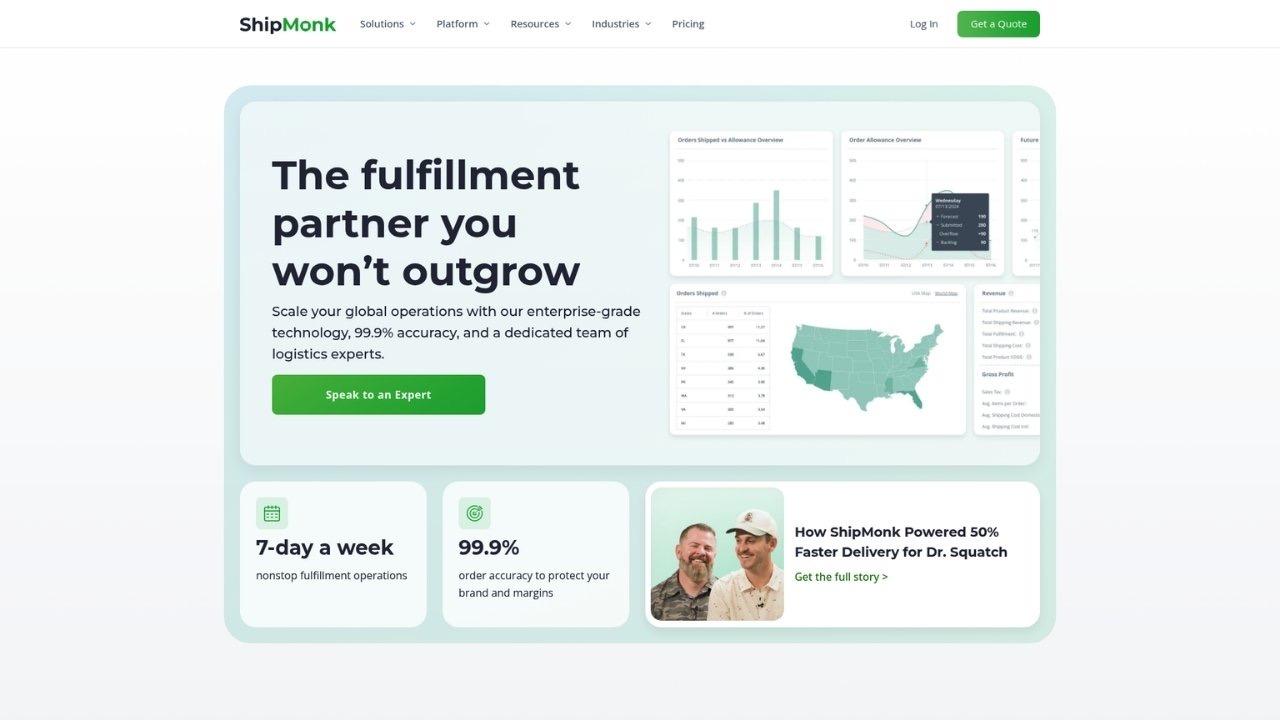
ShipMonk is the most common ShipBob alternative for a reason: it's a software-first 3PL with warehouses across the US plus the UK, EU, Mexico, and Canada. If your fulfillment involves kitting, bundles, or subscription boxes, this is where ShipMonk pulls ahead. The platform handles the complexity that breaks simpler 3PLs.
Pricing
Per-order pick fees (roughly $3 for the first item, around $2 for a return), plus storage tiers, all custom-quoted. Mid-market brands at about 1,000 orders a month report fulfillment landing in the $2,800 to $4,200 range. ShipMonk lists its fee categories but not the actual numbers, so you'll need a quote to know your real cost.
What works
- Kitting and subscription-box ops are genuinely best in the category. This is the use case ShipMonk was built for.
- Strong software and dashboard. Real-time inventory, broad Shopify and marketplace integrations, a 4.3 rating on the Shopify App Store.
- Global footprint if you ship internationally and want one partner across regions.
What doesn't
- The pick-fee model penalizes oversized goods. If your products are heavy or bulky, the per-item math gets ugly fast.
- Pricing isn't transparent. You can't self-serve a real number.
- Offboarding can drag. Some brands on Trustpilot and Capterra report six-month-plus windows to fully exit.
Why it ranks first
For the brands ShipBob loses to it, ShipMonk wins on the exact thing ShipBob is worst at: handling complexity without dropping the ball. Just go in knowing the pricing is a conversation, not a checkout.
2. ShipHero / LVK
Best for: brands that want to control their own warehouse software, with the option to outsource the labor too.
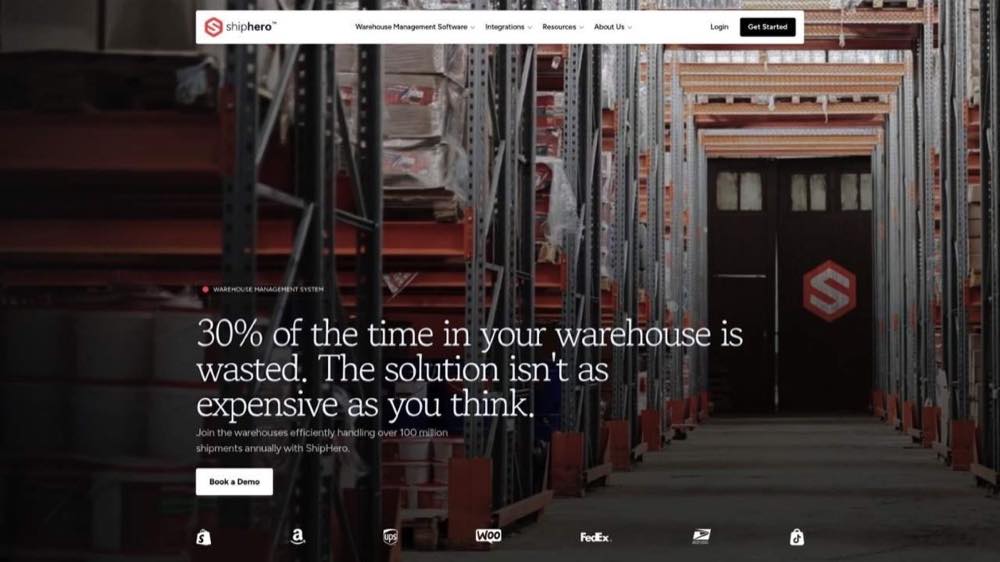
ShipHero split in 2024. The ShipHero name now sells the WMS software you run inside your own warehouse, and LVK is the outsourced 3PL arm. That's either flexibility or confusion depending on what you need. If you want software control, ShipHero is one of the strongest WMS tools on the market at 4.4/5 on G2.
Pricing
Custom-quoted on both the software and the 3PL side. The LVK 3PL service has a reported 500-order monthly minimum, and mid-market fulfillment lands in the same $2,800 to $4,200 band as ShipMonk at 1,000 orders a month.
What works
- Best in the category WMS if you want to run picking and packing your own way.
- You pick the model. Run your own warehouse on their software, or hand the whole thing to LVK.
- Good for brands that have a warehouse ops person who wants real control over the workflow.
What doesn't
- The 2024 split confuses buyers. Make sure you know whether you're buying software or a 3PL.
- A 500-order minimum rules out earlier-stage brands.
- Demand forecasting scored lower than ShipMonk in head-to-head comparisons.
Why it ranks second
If you want software you control instead of a black-box 3PL, ShipHero is the best answer on this list. The split just means you have to be clear about which half you're buying.
3. Red Stag Fulfillment
Best for: heavy, bulky, fragile, or high-value products where an accuracy mistake is expensive.
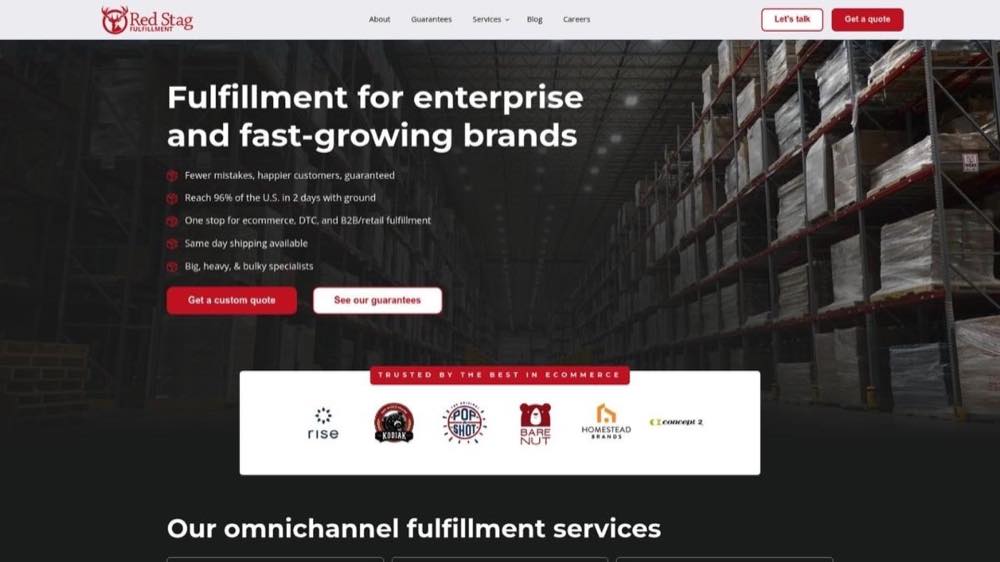
Red Stag is the specialist. While most 3PLs optimize for lightweight DTC, Red Stag built its whole operation around the orders other warehouses fumble: oversized, fragile, and high-value. It backs that with accuracy and shrinkage guarantees, and reports a 99.6% accuracy rate on furniture fulfillment.
Pricing
Red Stag publishes base pricing, which already makes it more transparent than most of this list. Storage runs around $0.46 per cubic foot per month, with premium per-order rates that reflect the care your products need. There's a roughly 200-order monthly minimum.
What works
- Accuracy and inventory guarantees that actually put money behind the promise.
- Purpose-built for heavy and fragile SKUs that wreck a generalist 3PL's pick model.
- Transparent base pricing. You can see the real numbers before a sales call.
What doesn't
- Premium pricing. You pay for the accuracy, so this isn't the cheap option.
- Only two warehouses (Tennessee and Utah), which means coverage gaps for two-day delivery to the coasts.
- A thin third-party review trail. Red Stag has near-zero reviews on G2, Capterra, or TrustRadius, so you're trusting their own numbers more than you might like.
Why it ranks third
If your products are heavy, breakable, or worth real money, nothing else here comes close. For lightweight DTC, it's overkill you'll pay for.
4. Flowspace
Best for: brands that want inventory positioned close to customers, with routing software doing the heavy lifting.
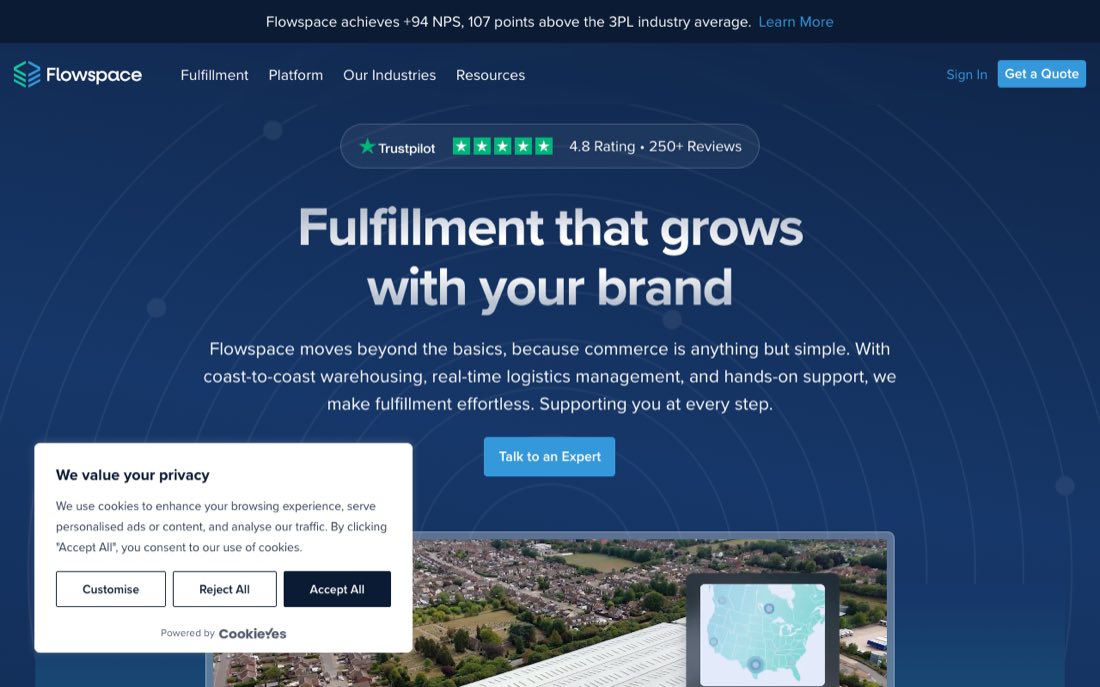
Flowspace runs a network model instead of owning every warehouse. Its software connects you to a vetted partner-warehouse network across the US and routes each order to the location closest to the customer. The platform handles demand forecasting and carrier selection. It's a strong fit for food and beverage, furniture, and health and beauty brands that care about delivery zones.
Pricing
Custom-quoted and network-dependent, since your cost depends on which partner warehouses your inventory sits in. You pay for the software layer plus per-order fees through the partners.
What works
- Distributed inventory means lower shipping zones and faster delivery without you managing multiple warehouses.
- Strong software and analytics. The routing and forecasting tech is the real product here.
- Flexible network that scales without you committing to a single building.
What doesn't
- Quality varies by partner warehouse. A network is only as good as its weakest node, and you don't always pick the node.
- Pricing is opaque and harder to predict than a single-warehouse 3PL.
- Less hands-on than a provider that owns the operation end to end.
Why it ranks fourth
If the tech and distributed inventory are what you're after, Flowspace is the best software story on this list. Just know you're trusting a network, not one warehouse you can drive to.
5. ShipNetwork
Best for: brands that want a fast-shipping guarantee from an established operation.
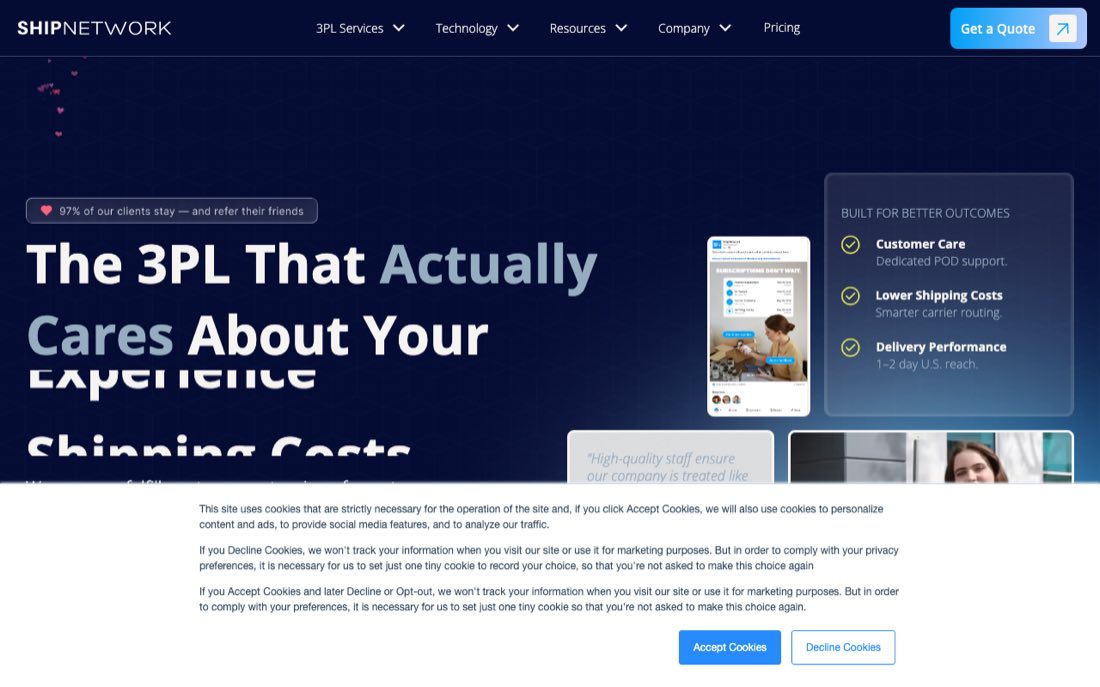
ShipNetwork is the operation formerly known as Rakuten Super Logistics, same warehouses and team under new ownership after Rakuten divested its US fulfillment arm. It leans on speed and accuracy guarantees, with multiple US warehouses positioned for one-to-two-day ground coverage.
Pricing
Custom-quoted. ShipNetwork positions on its delivery-speed SLAs rather than a public rate card, so you'll get your numbers on a call.
What works
- Speed and accuracy SLAs that put a guarantee behind the delivery promise.
- Multi-warehouse US coverage for fast ground shipping.
- An established operation with a long track record, even under the new name.
What doesn't
- The rebrand churn from Rakuten Super Logistics to ShipNetwork has muddied its reputation trail.
- Pricing isn't public.
- Less software depth than Flowspace or ShipHero if the tech matters to you.
Why it ranks fifth
A safe, fast pick if delivery speed is your priority and you don't need a deep software layer. The rebrand is the only thing that gives buyers pause.
6. Amazon Multi-Channel Fulfillment (MCF)
Best for: brands already deep in FBA who want to ship Shopify orders from the same inventory pool.
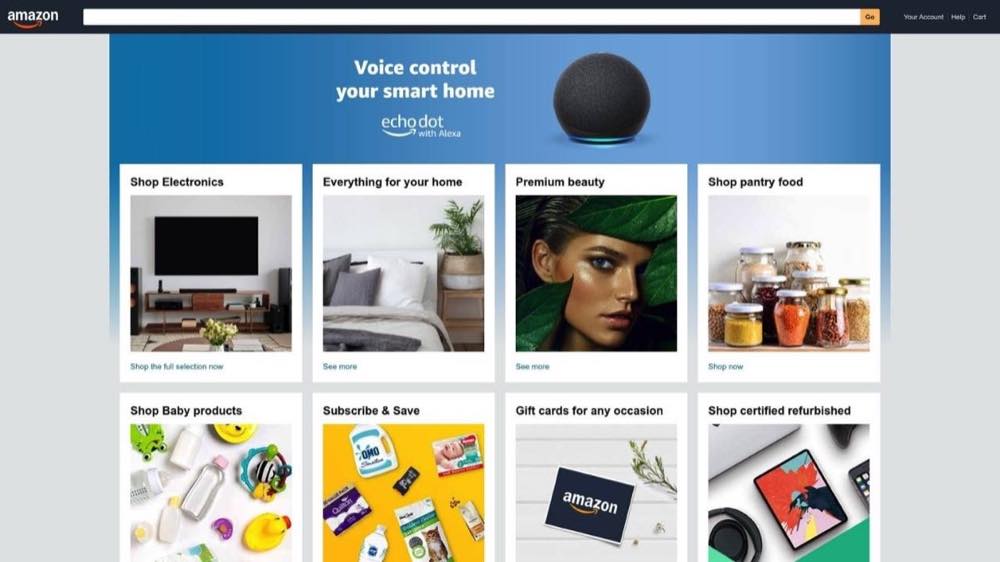
Amazon MCF lets you use Amazon's fulfillment network to ship your non-Amazon orders, including your Shopify store. If you're already on FBA, it means one inventory pool feeding both channels, with no order minimum and Amazon's delivery speed.
Pricing
Per-unit by weight and dimension. Heads up for 2026: Amazon is adding a 3.5% fuel and logistics surcharge starting May 2026, and MCF fees rise about $0.30 per unit, with small standard-size items seeing increases of $0.12 to $0.51 depending on price. Amazon's new Preferred Pricing offers up to 15% off and a $1 FBA credit per MCF unit for eligible six-to-twelve-month commitments.
What works
- No order minimum and you tap Amazon's enormous network instantly.
- One inventory pool if you already run FBA, which simplifies planning.
- Fast, reliable delivery on Amazon's logistics backbone.
What doesn't
- Unbranded boxes by default, or you pay extra, so the unboxing experience isn't yours.
- Limited packaging customization compared to a DTC-focused 3PL.
- Fees rise most years, so your cost base isn't something you control.
Why it ranks sixth
If you're already living in FBA, MCF is the lowest-friction add-on here. If your brand experience matters, the unbranded boxes are a real cost.
7. Saltbox
Best for: brands that want to own their fulfillment with a safety net, not hand it to a full 3PL.
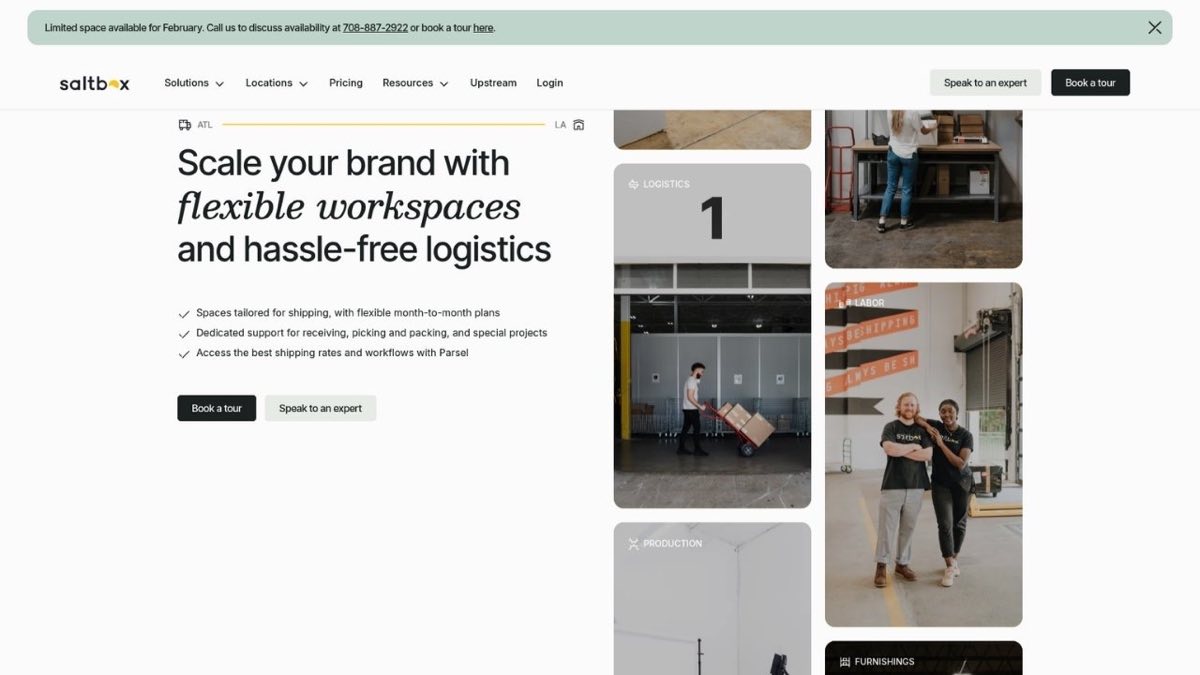
Saltbox is a different category, and that's the point. Instead of outsourcing to a 3PL, you rent your own warehouse space with built-in operations support and discounted carrier rates through its Parsel program. It's for founders who want control over their fulfillment without signing away the whole operation.
Pricing
Access plans start at $349 a month, which is one of the few genuinely transparent numbers in this category. You're paying for space and support, not per-order fulfillment, so the model is fundamentally different from the 3PLs above.
What works
- You own your operation and keep direct control over how orders go out.
- Discounted shipping through Parsel offsets some of the cost.
- Predictable base cost from a published $349/mo starting price.
What doesn't
- You still do the labor, or hire it. This isn't hands-off fulfillment.
- Limited to Saltbox locations, so geography matters.
- Not a fit if you want someone else to run it entirely.
Why it ranks seventh
A smart pick for the brand that left ShipBob because it wanted control back, not a different outsourcer. Just know you're trading convenience for that control.
The part nobody plans for: your phone starts ringing
Every guide above this line stops at the warehouse. Here's the part that actually costs you money during a switch, and it has nothing to do with which 3PL you pick.
When you migrate fulfillment, your customer experience wobbles for two to six weeks. Tracking links from the old provider go dead. The new warehouse hasn't hit its rhythm yet. Customers who were trained on two-day delivery suddenly wait four days and reach for the phone. A 3PL migration is a self-inflicted call spike, and almost nobody budgets for it.
This isn't a guess. WISMO, the "where's my order" call, is already 30-40% of inbound support volume in normal times and over 50% at peak, according to Salesforce. Across the Shopify brands we run phone support for, it's the single biggest call category every month. Now stack a migration on top of that baseline. The brands that handle it well plan for the spike before it lands and lean on WISMO automation to soak it up. The ones that don't watch their WISMO calls roll to voicemail, and 85% of callers who can't reach a person never call back, while 62% switch to a competitor (PCN).
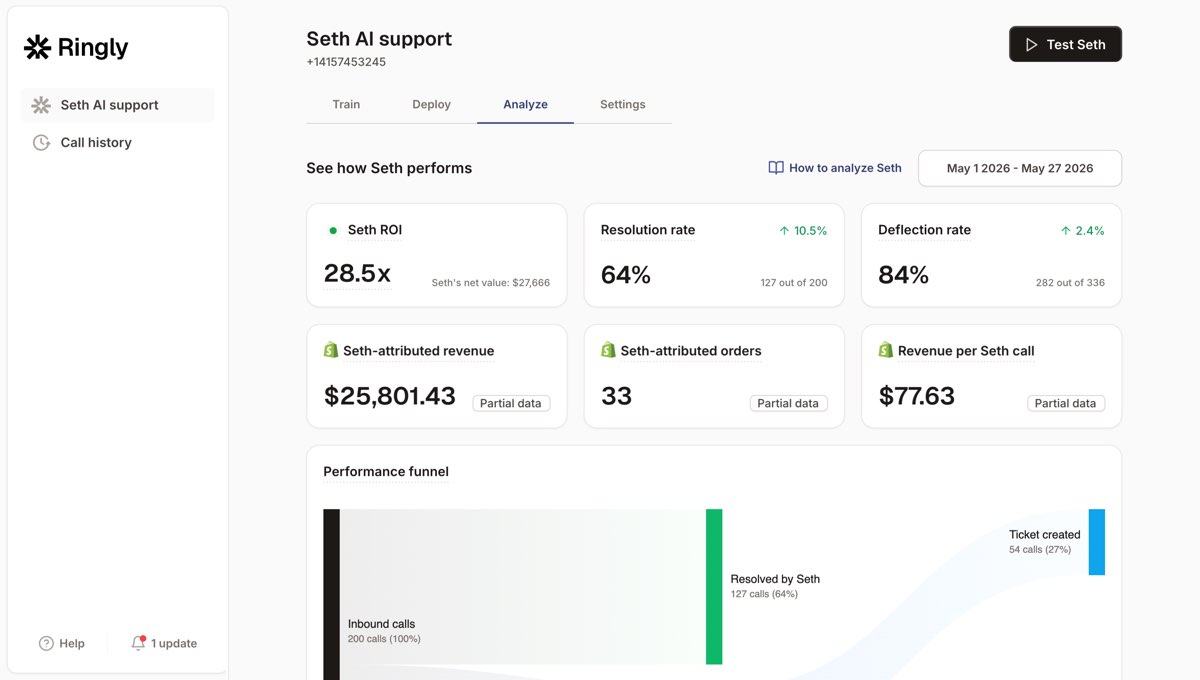
This is where Ringly fits, and it's the one spot in this post where we're the answer. Ringly is the AI phone support agent for Shopify brands. While you're sorting out the warehouse, the AI answers your inbound calls 24/7, finds the order in your Shopify store, reads the new tracking number, and tells the customer exactly where their package is. It resolves up to 90% of calls on its own for $1.99 a call after the first 50, versus $7 to $16 per call for a human BPO. The genuinely broken orders, the ones that need a human, escalate cleanly to your team and whatever helpdesk you already run, whether that's Gorgias, Richpanel, or Reamaze.
WashCo, a Shopify brand we launched, recovered $22,664 in its first 7 days on the phone. The point isn't the warehouse, it's that the calls kept getting answered while the brand sorted out its operations.
"My customers also feel like it's a normal person. They feel like they can communicate if they have questions."
Claudia Droge, TechCraft Studio
The cleanest way to handle a migration is to keep the order-status calls off your team entirely while the warehouse stabilizes, then keep the coverage afterward because WISMO never actually goes away. If you're switching 3PLs this quarter, book a 30-min call and we'll map where your calls will land before they land.
What the support side of a switch really costs
Let's put numbers on it, because the warehouse savings can get eaten by support if you're not watching.
Take a $50M Shopify brand running a 6-rep CS team to handle inbound, including all that WISMO volume:
| Line item | Today | With AI phone support |
|---|---|---|
| 6 reps x $4K loaded per rep | $24,000/mo | n/a |
| Ringly (illustrative) | n/a | $5,000/mo |
| Net monthly support spend | $24,000/mo | $5,000/mo |
| Monthly difference | n/a | $19,000/mo |
That's roughly 70% of repeatable calls, order status, returns, and the same handful of questions over and over, handled without a human. The other 30%, the genuinely complex ones, still go to your support team, who now have the time to actually solve them instead of reading tracking numbers all day.
To be clear, Ringly doesn't fix your fulfillment. A bad 3PL is still a bad 3PL. What this does is keep the phone from melting down during the window when your warehouse is in transition, and keep it covered afterward, since order tracking questions are a permanent feature of running a Shopify brand, not a temporary one. The pricing behind that math is public on the pricing page: $99 a month for the first 50 conversations, then $1.99 each.
How to choose the right ShipBob alternative
Match the provider to your actual product and volume, not to whoever ranks first in a roundup written by a 3PL.
- Choose ShipMonk if you run subscription boxes or kitting-heavy fulfillment and want strong software.
- Choose ShipHero or LVK if you want to control your own warehouse management software, with the option to outsource labor.
- Choose Red Stag if your products are heavy, bulky, fragile, or high-value and accuracy is non-negotiable.
- Choose Flowspace if you want distributed inventory and routing tech without committing to one warehouse.
- Choose ShipNetwork if delivery speed and a shipping guarantee are your top priority.
- Choose Amazon MCF if you already live in FBA and want one inventory pool feeding both channels.
- Choose Saltbox if you left ShipBob because you wanted control back, not a different outsourcer.
And whichever you pick, plan for the call spike. The fulfillment decision is the headline. The support load during the switch is the line item everyone forgets, and it's the one your customers feel first. A little planning on the customer service side keeps a warehouse migration from turning into a retention problem, especially if the switch lands anywhere near the holiday rush.
If you want to compare your current support setup against an AI phone agent before peak, book a 30-min call and we'll do the math live.
Frequently asked questions
Why do brands leave ShipBob? Mostly cost drift, lost packages, and support they can't reach by phone. In documented review breakdowns, shipping delays and lost packages account for the largest share of complaints, followed by slow customer service. ShipBob is solid for lightweight DTC at moderate volume, but the friction shows up once brands outgrow that profile.
Which ShipBob alternative is cheapest? It depends entirely on your product weight and order volume, so there's no single answer. Amazon MCF is often the lowest per-unit cost if you're already on FBA, and Saltbox has the lowest published base price at $349/mo, but that's co-warehousing, not full fulfillment. Most 3PLs quote custom, so get real numbers before you commit.
How long does a 3PL migration take, and what breaks? Plan for two to six weeks of wobble. Inventory has to physically transfer, integrations need remapping, and old tracking links go dead during the handoff. The most common casualty is delivery speed, which is exactly what drives the spike in "where's my order" calls.
Does switching 3PLs increase customer support calls? Yes, almost always, for two to six weeks. Tracking links break, delivery times slip, and customers who were used to fast shipping start calling to check on orders. WISMO is already 30-40% of support volume in normal periods per Salesforce, and a migration pushes it higher, so it's worth planning your phone coverage before you flip the switch.
Is Amazon MCF a good ShipBob alternative? It's a strong option if you already run FBA and want one inventory pool for both channels. The trade-offs are unbranded boxes by default and fees that rise most years, including a 3.5% surcharge and per-unit increases coming in 2026. If your brand unboxing experience matters, a DTC-focused 3PL is the better fit.
Does Ringly replace my 3PL? No. Ringly is AI phone support, not fulfillment, so it doesn't touch your warehouse. It answers your inbound calls, finds orders in Shopify, and handles the "where's my order" volume that spikes during and after a fulfillment switch, escalating the complex calls to your team and helpdesk.
What's the best ShipBob alternative for a Shopify brand? There isn't one universal answer, and any guide that gives you one is selling something. Match the provider to your product profile: ShipMonk for subscription boxes, Red Stag for heavy goods, Flowspace for distributed inventory, MCF if you're on FBA. Then plan your support coverage for the migration window.
Talk to us

Picking a fulfillment partner is the part of this everyone focuses on. Keeping your customers from churning while you make the switch is the part that quietly decides whether the migration was worth it.
If you're switching your 3PL this quarter, the phone line is the thing that breaks first, and we keep it answered while you sort the warehouse out. Ringly is AI phone support for Shopify brands, live across 50+ of them, resolving up to 90% of calls on its own.
Our 3 promises.
- Live in under 1 hour. Setup and test calls are free.
- 30-day money back on the $99 plan fee.
- 65% resolution guarantee: if Seth resolves under 65% of your support calls in a month, that month comes back as credit (after 90 days on Pay per call).
Ruben (Ringly co-founder) takes these calls personally.