LiveOps helped pioneer the virtual call center model, connecting independent contractors with brands that need phone support.
But it is not your only option anymore.
Whether you are looking for lower upfront costs, better training, or a more traditional employment arrangement, several legitimate alternatives exist.
This guide compares seven platforms that offer real work-from-home customer service opportunities, with transparent details about costs, pay, and what to expect.
Editor’s note: Want to hear some sample AI support calls made for your Shopify store?
- Just paste your store URL
- Get sample calls in under 20 seconds (no email required)
- Listen to demo calls for my store
What to know about virtual customer service platforms
Before comparing options, you need to understand how these platforms operate. They fall into two distinct categories.
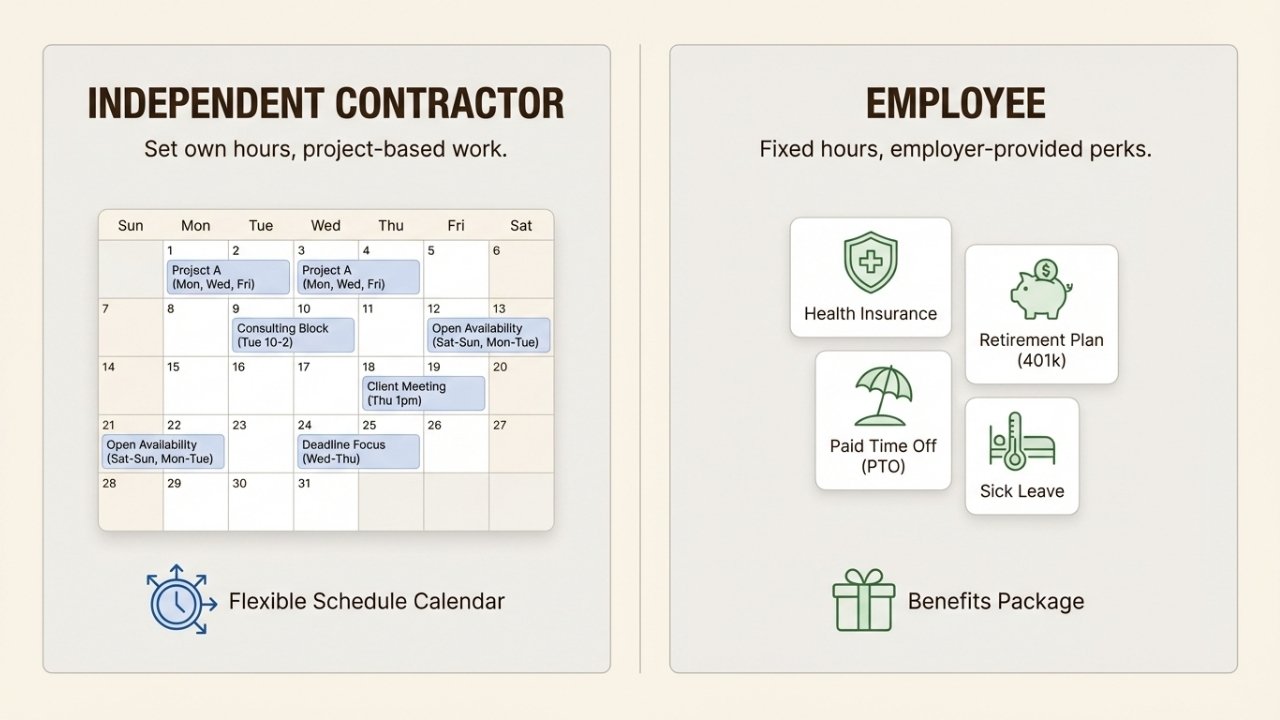
Independent Contractor (1099) platforms treat you as self-employed. You choose when to work, but you handle your own taxes and get no benefits.
These include LiveOps, Arise, and newer entrants like Omni Interactions.
Employee (W2) platforms hire you directly. You get a regular paycheck, potential benefits, and they withhold taxes. However, you typically have less control over your schedule.
The key factors to compare across all platforms:
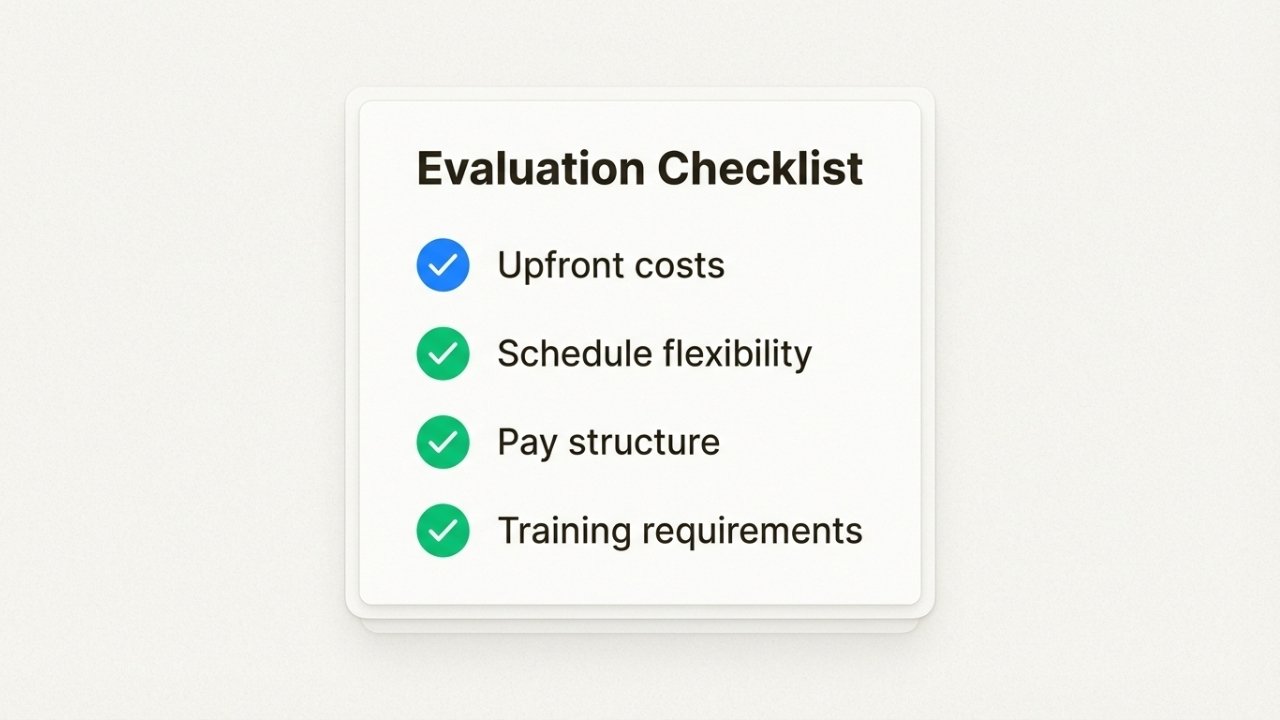
- Upfront costs: Some charge for background checks, training, or certification
- Schedule flexibility: Can you work when you want, or are shifts assigned?
- Pay structure: Hourly rate vs. performance-based vs. per-minute talk time
- Training requirements: How long before you can start earning?
Quick comparison: All 7 LiveOps alternatives
Here is how the platforms stack up at a glance:
| Platform | Work Model | Upfront Costs | Pay Range | Best For |
|---|---|---|---|---|
| Arise Virtual Solutions | 1099 Contractor | $100-500 | $10-16/hr | Fortune 500 experience |
| Working Solutions | 1099 Contractor | $0 | $9-17/hr | Training and support |
| Omni Interactions | 1099 Contractor | $0 | $10-18/hr | No-fee onboarding |
| NexRep | 1099 Contractor | $0 | $10-20/hr | Sales-oriented roles |
| Concentrix | W2 Employee | $0 | $12-18/hr | Benefits and stability |
| TTEC | W2 Employee | $0 | $13-19/hr | Equipment provided |
| Alorica at Home | W2 Employee | $0 | $11-16/hr | Direct employment |
Now let us look at each platform in detail.
1. Arise Virtual Solutions
Arise is one of the oldest names in virtual call centers, operating for over two decades.
They connect independent contractors with major brands like Disney, Intuit, and Carnival Cruise Line.
The platform uses a certification model. You pay for training courses specific to each client you want to work with.
These typically run $100 to $500 depending on the complexity of the account.
Once certified, you can schedule your own hours in 30-minute increments. Most clients require a minimum of 15 hours per week.
Pay ranges from $10 to $16 per hour, though some specialized programs pay more.
Pros
- Access to Fortune 500 brands that look good on a resume
- Established reputation with 20+ years in business
- Flexible scheduling once you are certified
Cons
- Significant upfront investment for each client certification
- Training time is unpaid
- No benefits as an independent contractor
Arise suits people willing to invest in certification for access to premium client accounts.
If you want to support major brands and can handle the startup costs, it is a solid choice.
2. Working Solutions
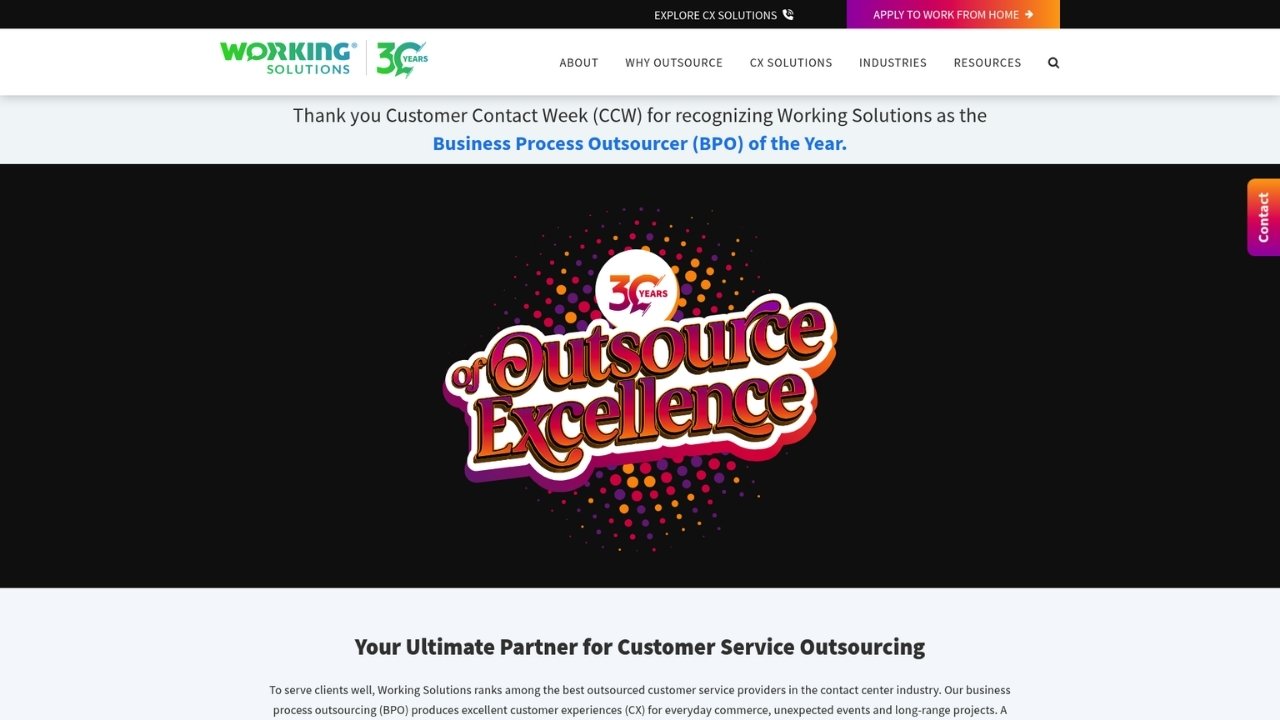
Working Solutions has been around since 1996, making it one of the most established players in remote customer service.
They emphasize training and contractor support more than most competitors.
Unlike Arise, Working Solutions charges no upfront fees. You apply, complete their assessment, and if accepted, go through their training program at no cost.
Pay ranges from $9 to $17 per hour depending on the program. They work with clients in travel, retail, healthcare, and financial services.
The work is project-based, meaning you might work on one client for several months, then transition to another.
Pros
- No startup fees whatsoever
- Strong training and ongoing support
- Variety of industries keeps the work interesting
Cons
- Contract availability can be inconsistent
- Project-based work means transitions between clients
- You handle 1099 tax responsibilities
Working Solutions fits people who want free training and diverse experience across different industries.
The lack of upfront costs makes it accessible for anyone starting out.
3. Omni Interactions
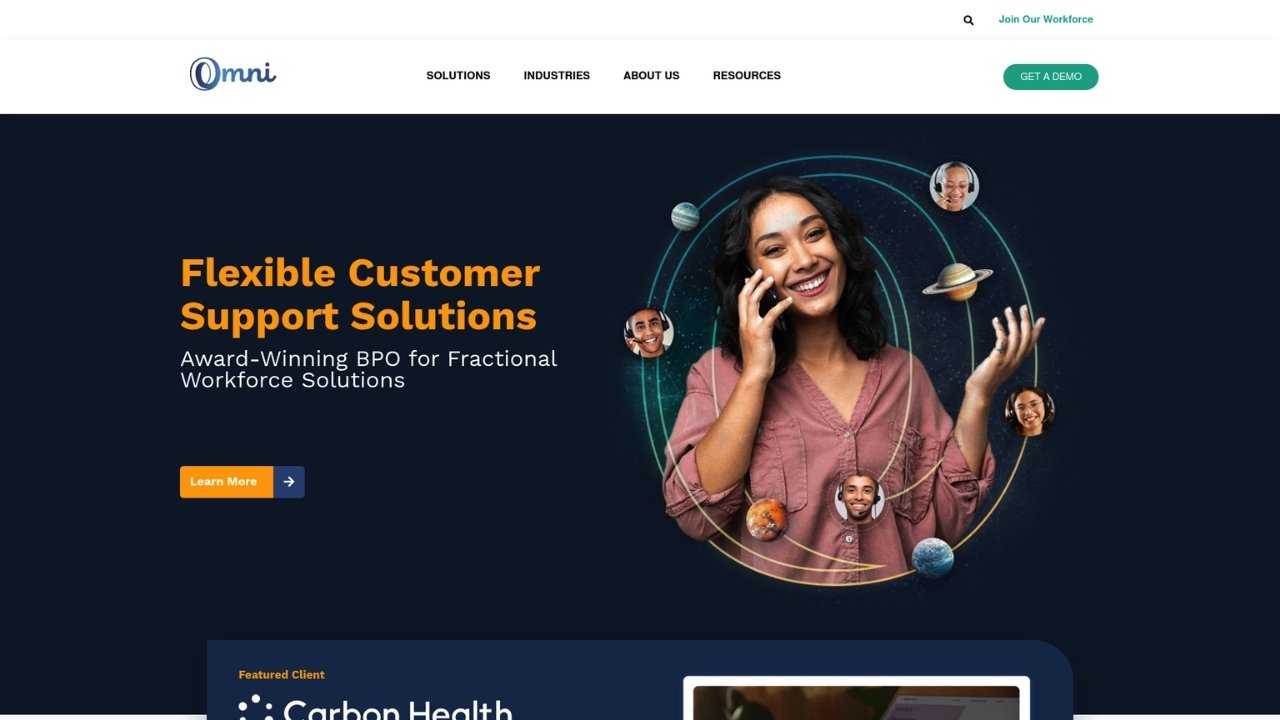
Omni Interactions represents a newer generation of gig-based customer service platforms.
They have gained attention for emphasizing zero upfront costs and fast onboarding.
As an independent contractor, you select projects that match your skills and availability.
They focus heavily on e-commerce and technology clients, which tend to have straightforward support needs.
Pay ranges from $10 to $18 per hour. The platform prides itself on a streamlined application process that gets you working faster than traditional certification models.
Pros
- No fees of any kind to get started
- Fast onboarding process
- Modern platform with e-commerce focus
Cons
- Newer company with less track record than Arise or Working Solutions
- Contract availability varies by season
- Still operates on 1099 contractor model
Omni Interactions works well for people who want to start earning quickly without any investment.
The no-fee approach removes a major barrier that stops many people from trying remote work.
4. NexRep
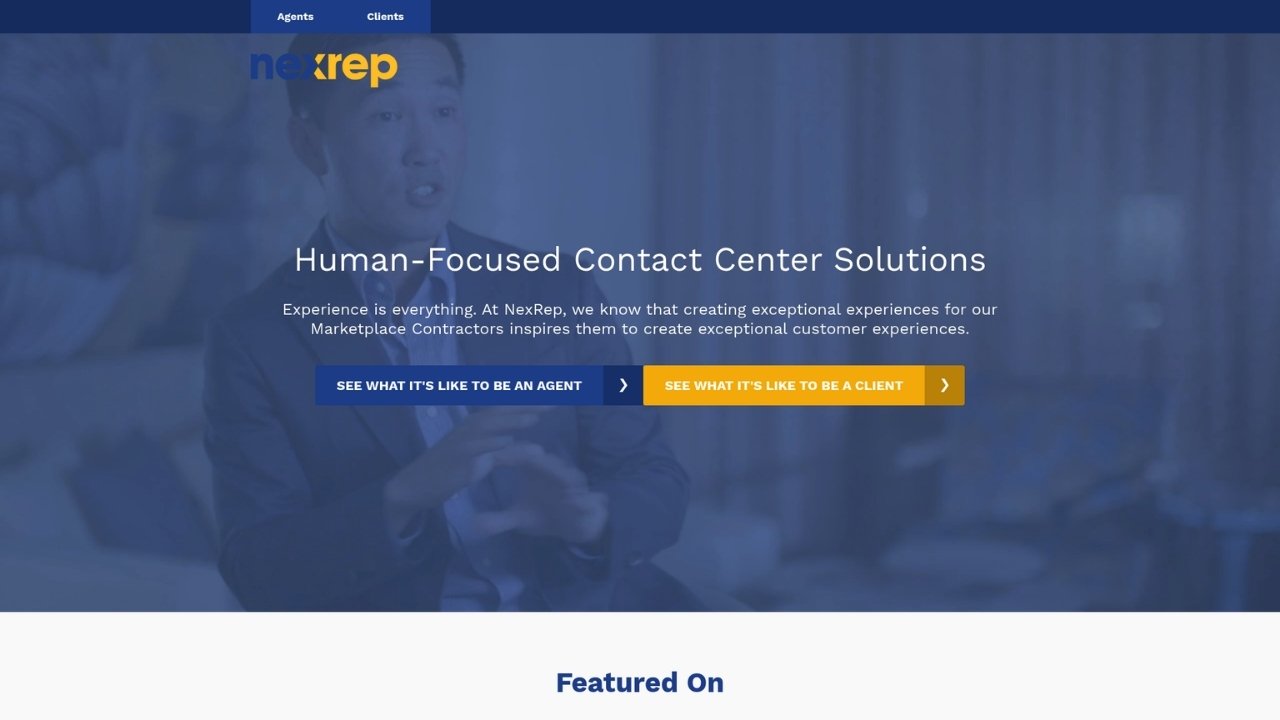
NexRep focuses on sales and customer service roles where agents have significant control over their schedules.
They have built a reputation for straightforward onboarding without hidden costs.
The platform offers both inbound customer service and outbound sales positions.
Sales roles often pay on commission or performance bonuses, meaning your earnings can exceed the base rate if you perform well.
Pay ranges from $10 to $20 per hour, with top performers in sales earning more.
You set your own hours within the availability windows posted by clients.
Pros
- No startup costs to apply or get certified
- Sales roles offer higher earning potential
- Straightforward application process
Cons
- Pay varies significantly depending on the client and role type
- Sales positions require persuasion skills not everyone has
- Work volume can be inconsistent during slow periods
NexRep suits people with sales experience or those willing to work on performance-based pay.
If you are good at persuasion and want uncapped earning potential, their sales programs are worth exploring.
5. Concentrix

Concentrix represents the W2 employee model, offering direct employment rather than contract work.
As one of the largest business process outsourcing companies globally, they provide more traditional job stability.
You apply as an employee, go through their hiring process, and if selected, receive a regular paycheck with taxes withheld.
Many positions include benefits like health insurance, paid time off, and 401k options.
Pay ranges from $12 to $18 per hour. Unlike contractor platforms, you get a set schedule, though some flexibility exists depending on the program.
Pros
- Employee benefits including health insurance and retirement options
- Career advancement opportunities within a large organization
- Stable, consistent work without hunting for contracts
Cons
- Less schedule flexibility than contractor platforms
- Must commit to specific shift requirements
- Longer hiring process than gig platforms
Concentrix fits people who want stability and benefits over maximum flexibility.
If you prefer a traditional employment structure but want to work from home, this is a strong option.
6. TTEC

TTEC is a global customer experience company with work-from-home positions across multiple countries.
They hire employees rather than contractors, providing equipment in many cases.
The company offers both full-time and part-time remote positions.
You get a W2 employment relationship with benefits, and they often provide the computer and headset you need to work.
Pay ranges from $13 to $19 per hour depending on the program and your location. Schedules are set in advance, though some programs offer shift bidding systems.
Pros
- Company-provided equipment in many positions
- Comprehensive benefits package for eligible employees
- Global company with room for growth and internal transfers
Cons
- Less flexibility than 1099 contractor roles
- Specific shift commitments required
- Hiring and onboarding can take several weeks
TTEC works well for people who need equipment provided and want the security of employment.
The global nature of the company means more opportunities to move between programs or advance internally.
7. Alorica
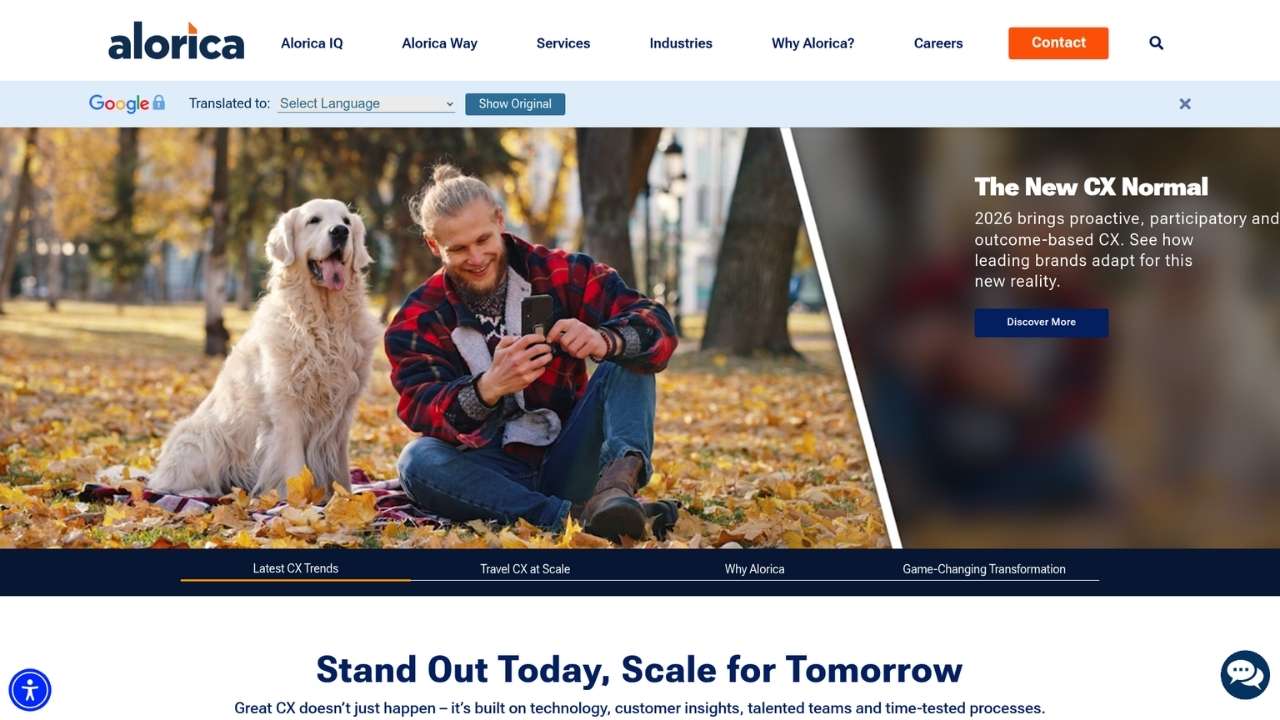
Alorica at Home offers direct-hire remote customer service positions without the contractor complexity.
They focus on retail and healthcare clients primarily.
As a W2 employee, you get traditional employment benefits.
The company emphasizes supportive management structures and virtual training programs to help you succeed.
Pay ranges from $11 to $16 per hour.
You work set schedules with both full-time and part-time options available.
Pros
- Direct employment status with benefits
- No startup fees or certification costs
- Supportive training and management
Cons
- Limited scheduling flexibility compared to contractor platforms
- Must commit to specific shifts
- Lower pay ceiling than some sales-focused alternatives
Alorica suits people who want a straightforward employment relationship without the complexity of contract work.
If you value stability and direct hiring over gig flexibility, this platform delivers.
Getting started with remote customer service work
Most platforms share similar basic requirements. You will need:
- Reliable high-speed internet (typically 10 Mbps download minimum)
- A quiet workspace where you can take calls without interruption
- A computer that meets their technical specifications
- A USB headset with noise-canceling microphone
Application timelines vary. Contractor platforms often get you working within one to two weeks.
Employee positions typically take two to four weeks due to background checks and formal onboarding.
One red flag to watch for: legitimate platforms never charge just to apply.
The only upfront costs should be for specific client certifications (like Arise) or background checks. If a platform demands payment before you can even see available opportunities, look elsewhere.
How AI phone agents are reshaping customer service work
The remote customer service landscape is changing rapidly.
AI phone agents now handle routine inquiries that used to require human agents, which means fewer entry-level phone support roles exist.
Platforms like Ringly.io demonstrate this shift. Their AI agent The AI resolves 73% of customer calls autonomously, handling order tracking, returns, and common questions for over Shopify stores.
This trend does not eliminate remote work opportunities. It shifts them.
As AI handles simple queries, human agents move toward complex escalations, technical support, and specialized customer success roles that require judgment and empathy.
For workers, this means upskilling matters. Consider developing expertise in technical troubleshooting, complex problem-solving, or AI oversight rather than competing for basic phone support contracts.

Start your remote work journey with the right platform
LiveOps alternatives offer genuine opportunities to earn from home, but the right choice depends entirely on your situation.
Contractors get freedom. Employees get stability. Neither is universally better.
Your next step is simple: pick two or three platforms from this list that match your needs, and submit applications.
Most are free to try, so you can test the waters without commitment.
If you are curious how AI is transforming the customer service industry, you can try Ringly for free and see modern AI phone support in action.
Understanding this technology will help you position yourself for the evolving remote work landscape.
Frequently Asked Questions
What are the best LiveOps alternatives with no upfront costs?
Working Solutions, Omni Interactions, NexRep, Concentrix, TTEC, and Alorica at Home all offer opportunities without startup fees. Only Arise Virtual Solutions requires significant upfront investment for client certifications.
How do LiveOps alternatives compare for earning potential?
W2 employee positions like TTEC and Concentrix offer stable hourly rates from $12-19. Contractor platforms vary more widely. NexRep sales roles can exceed $20/hour with commissions, while basic customer service on Arise or Working Solutions typically pays $10-16/hour.
Which LiveOps alternatives hire employees instead of contractors?
Concentrix, TTEC, and Alorica at Home all hire W2 employees with benefits. Arise, Working Solutions, Omni Interactions, and NexRep use the independent contractor model where you are responsible for your own taxes.
Are LiveOps alternatives legitimate work-from-home opportunities?
Yes, all seven platforms reviewed here are established companies with real paying opportunities. However, avoid any platform that charges fees just to apply or access job listings. Legitimate companies only charge for specific certifications or background checks after you are accepted.
What equipment do I need to work for LiveOps alternatives?
Requirements vary by platform, but generally you need reliable internet (10+ Mbps), a quiet workspace, a computer meeting their specs, and a USB headset. Some employee-based platforms like TTEC provide equipment, while contractor platforms typically require you to supply your own.
How quickly can I start earning with LiveOps alternatives?
Contractor platforms typically get you working within 1-2 weeks. Employee positions take 2-4 weeks due to background checks and formal onboarding. Arise takes longer because you must complete paid certification courses before accessing client work.
Can I work for multiple LiveOps alternatives at the same time?
Yes, if you are working as a 1099 contractor for platforms like Arise, Working Solutions, Omni, or NexRep, you can theoretically work for multiple platforms simultaneously. However, employee positions at Concentrix, TTEC, or Alorica typically require exclusivity or have restrictions on secondary employment.