
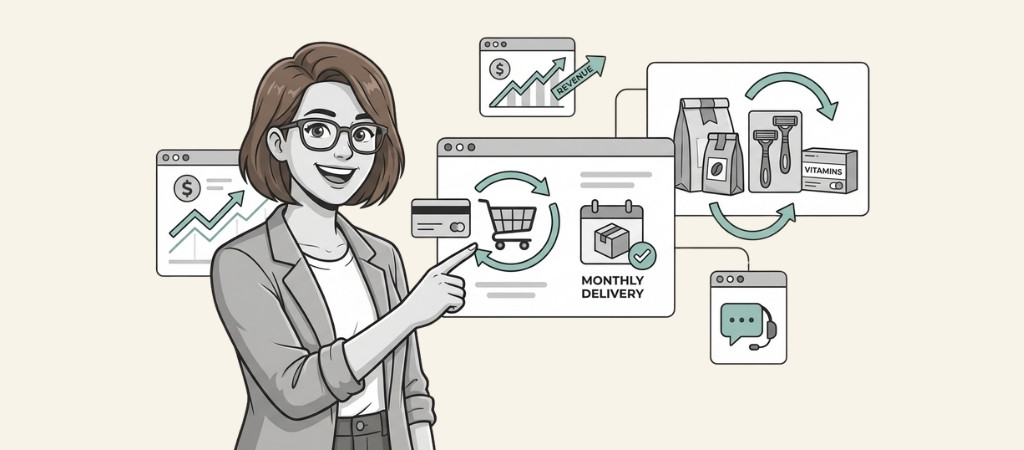
The subscription model has changed how businesses sell online.
Instead of fighting for one-time purchases, smart merchants are building relationships that generate revenue month after month.
Most guides focus on the revenue side. They miss something important: subscriptions don't just create predictable revenue.
They create predictable support volume. Every subscriber becomes a recurring customer with recurring questions.
Handle that well, and you build loyalty. Handle it poorly, and you churn customers faster than you acquire them.
This guide breaks down how ecommerce subscriptions work, which model fits your business, and how to manage the operational side that separates successful subscription businesses from the rest.
Editor’s note: Want to hear some sample AI support calls made for your Shopify store?
- Just paste your store URL
- Get sample calls in under 20 seconds (no email required)
- Listen to demo calls for my store
What are ecommerce subscriptions?
An ecommerce subscription is a business model where customers pay recurring fees (monthly, quarterly, or annually) to receive products or services on a regular schedule.
Rather than making individual purchase decisions, subscribers set up automated deliveries and billing.
This isn't new. Newspaper subscriptions date back to the 1600s.
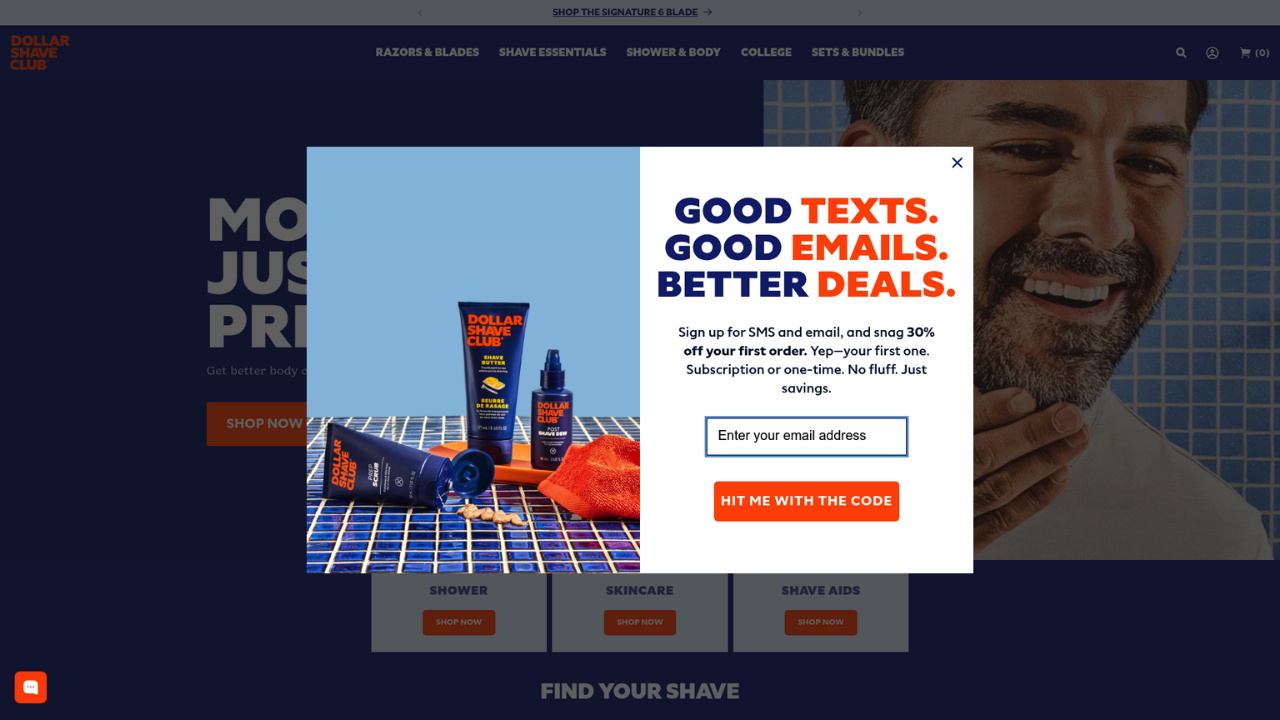
But the modern ecommerce version started with Dollar Shave Club in 2011, which proved that even mundane products like razors could become subscription businesses.
Their viral launch video and direct-to-consumer approach disrupted an industry dominated by retail giants.
The model grew because it solves problems for both sides. Customers get convenience, often at lower per-unit costs, with the flexibility to modify or cancel.
Businesses get predictable monthly recurring revenue (MRR) that makes financial planning easier and improves cash flow forecasting.
The numbers are significant. The global subscription ecommerce market reached $278 billion in 2024 and is projected to hit $6.37 trillion by 2033.
That's a compound annual growth rate of 41.38%. In the United States alone, the subscription economy sits at approximately $207.7 billion and is expected to reach $633.66 billion by 2034.
For Shopify store owners, this represents a massive opportunity. But it's also a shift in how you operate.
Subscriptions change your relationship with customers from transactional to ongoing. And that ongoing relationship generates ongoing communication.
The three types of ecommerce subscription models
Not all subscriptions work the same way. Understanding the three main models helps you choose the right approach for your products and customers.
Replenishment (Subscribe and Save)
The replenishment model delivers the same consumable products on a recurring schedule. Think razors, vitamins, coffee, pet food, or diapers.
Customers save time by having essentials delivered automatically, often at a discounted price.
This model has the highest conversion rate among subscription types.
According to McKinsey research, 65% of consumers who consider a replenishment service end up subscribing.
Retention is strong too: 45% of subscribers keep their replenishment subscription for at least one year.
Why does it work so well? It aligns with existing habits. Customers already use these products regularly.
The subscription simply removes the friction of remembering to reorder.
Examples include Dollar Shave Club with their razor refills, Peet's Coffee delivering beans on your schedule, and The Honest Company with their baby essentials subscriptions.
These businesses succeed because they fit into routines customers already have.
Curation (Subscription Boxes)
Curation subscriptions provide a collection of products tailored to each customer's preferences. Unlike replenishment, these boxes vary each cycle.
The surprise and discovery element is part of the value.
This is the most common subscription model. McKinsey estimates that 55% of available ecommerce subscriptions follow the curation approach.
Brands like Birchbox (beauty), Blue Apron (meal kits), and Bokksu (Japanese snacks) built their entire businesses around this model.
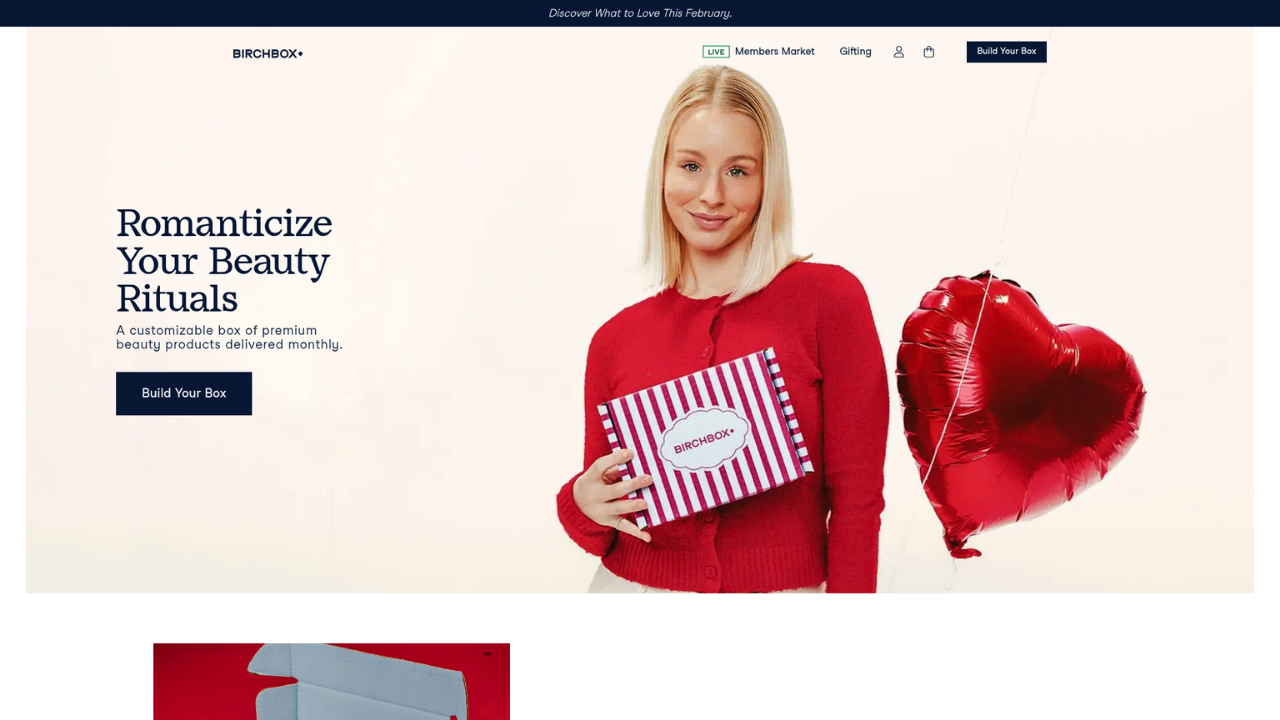
Curation can be highly profitable. Average order values tend to be higher than replenishment models. But the operational complexity is significant.
You're constantly sourcing new products, managing inventory for varied boxes, and investing in packaging that creates an unboxing experience.
The challenge is churn. Once a subscriber's curiosity is satisfied and they understand what types of products they'll receive, they're more likely to cancel.
Successful curation businesses dedicate significant resources to personalization and keeping the experience fresh.
Access (Membership)
The access model charges a fee for exclusive benefits, discounts, products, or content.
In ecommerce, this borrows from the Costco playbook: pay a membership fee to unlock better prices and exclusive items.
This model is less common in pure ecommerce but growing.
Examples include Amazon Prime (free shipping plus other benefits) and various membership programs that offer early access to sales or exclusive product lines.
Access subscriptions work best when you have a strong brand and enough product variety to make membership feel valuable.
The recurring fee creates a sense of commitment that increases purchase frequency and average order value.
Why subscriptions make business sense
The business case for subscriptions goes beyond the headline revenue numbers.
Here's what changes when you shift from one-time sales to recurring relationships.
Predictable revenue stream. MRR makes financial forecasting easier. You know roughly how much money is coming in next month, which helps with planning and reduces anxiety around cash flow.
Inventory planning. Knowing how many subscribers you have and their delivery schedules lets you anticipate demand with confidence. You can plan inventory well ahead of time instead of guessing based on past sales.
Customer lifetime value. Repeat customers spend 67% more than new ones. They're also 5x as likely to repurchase, 5x as likely to forgive a mistake, 4x as likely to refer others, and 7x as likely to try a new offering.
Lower acquisition costs. It's 5x cheaper to retain an existing customer than acquire a new one. With subscriptions, you're not constantly spending marketing dollars to replace customers who bought once and disappeared.
Cash flow benefits. You typically receive payment upfront, before delivering products. This improves working capital and reduces the stress of waiting for revenue to cover acquisition costs.
Investor appeal. From 2012 to 2022, subscription model businesses grew 5 to 8 times faster than traditional businesses. The financial predictability makes these businesses attractive to investors and acquirers.

But there's a flip side that doesn't get enough attention. Every subscriber is a customer who will need support.
They'll have questions about their next delivery, want to skip a month, need to change their address, or ask about canceling.
The math is simple: 1,000 subscribers equals hundreds of monthly support touches.
One bad experience is enough to lose 50% of your customers, according to Zendesk research.
The same subscription model that creates predictable revenue also creates predictable support volume.
Handle it well, and you build loyalty. Handle it poorly, and you churn.
Real examples of successful subscription businesses
Looking at successful subscription businesses reveals patterns you can apply to your own store.
Health and wellness
Vital Proteins sells collagen powders, gummies, and supplements through subscriptions.
Their model works because collagen requires consistent daily use to see results.
Customers who subscribe ensure they never run out, maintaining their wellness routine without interruption.
LOLA takes a different approach with period care and vaginal health products.
Their subscription lets customers build personalized bundles of tampons, pads, and liners delivered on their schedule.
The predictable nature of menstrual care makes this a natural fit for subscriptions.
Food and beverage
Oats Overnight offers high-protein overnight oats in multiple flavors.
Because the product is designed for daily breakfast routines, it aligns perfectly with replenishment subscriptions.
Customers build their own box from rotating flavors and set delivery schedules that match their consumption.
Bokksu delivers curated Japanese snack boxes featuring artisan treats from local makers. Each box includes a cultural guide that deepens the experience.
This combination of novelty, education, and premium curation keeps customers engaged month after month.
Beauty and personal care
Billie sells razors and blade refills through subscriptions. Customers start with a starter kit, then receive refill blades based on their shaving routine.
The model is simple but effective: customers always have fresh blades, and Billie maintains predictable revenue.
Tata Harper offers luxury skincare subscriptions with customizable delivery frequencies.
Customers can select delivery every 1 to 6 months based on their usage, making the subscription feel personalized rather than rigid.
Home essentials
Hello Bello provides diapers, training pants, and baby care essentials through subscriptions.
Parents need these products on a predictable schedule, and running out is not an option.
The subscription removes the mental burden of remembering to reorder.
The pattern across all these examples? Products that support repeatable routines perform best.
Whether it's daily vitamins, monthly period care, or weekly diaper deliveries, subscriptions work when they align with habits customers already have.
The hidden challenge: Customer support at scale
Here's what happens when your subscription business starts growing. Every subscriber becomes a customer who needs ongoing communication.
The common questions start rolling in:
- "When is my next delivery?"
- "Can I skip this month?"
- "I need to change my shipping address"
- "How do I cancel my subscription?"
- "My package hasn't arrived yet"
These aren't complex issues. But they're repetitive. And they add up fast.
Let's do the math. If you have 1,000 active subscribers, and each subscriber contacts support just once per quarter, that's 333 support tickets per month.
In reality, subscription customers contact support more frequently in their first few months as they learn the system.
The traditional approach is hiring more agents as you grow. But that's expensive and doesn't scale efficiently.
Each new agent needs training, management, and benefits. Your support costs grow linearly with your subscriber base.
There's a better way. Automate the routine inquiries so your human agents can focus on what matters: retention.
This is where the AI, our AI phone agent, fits into the subscription business model.
The AI handles the repetitive questions that subscription businesses face:
- "When is my next delivery?" the AI checks the subscription system and provides the date.
- "Can I skip this month?" the AI processes the skip request.
- "I need to change my address" the AI updates the shipping information.
- "How do I cancel?" the AI can handle the cancellation or escalate to retention.
The AI resolves about 73% of calls without human intervention.
For subscription businesses, that means your human agents focus on the conversations that actually impact retention: handling complaints, offering alternatives to cancellation, and building relationships.
The result? You maintain the personal touch that subscription customers expect, without the linear cost growth of traditional support teams.
Choosing your subscription platform
Your subscription platform is the foundation of your recurring revenue business.
Choose wrong, and you'll fight your technology instead of growing your business.
Here's how the major platforms compare:
| Platform | Starting Price | Best For | Key Strength |
|---|---|---|---|
| Recharge | $99/month + 1.25% + $0.19/transaction | Established Shopify stores | Deep Shopify integration, 20,000+ brands |
| Chargebee | Contact sales | Enterprise/SaaS | Gartner Leader, complex billing scenarios |
| Subbly | $99/month ($29.70 promo) | New subscription businesses | All-in-one platform with AI website builder |
| Recurly | Custom pricing | High-volume businesses | Strong dunning and revenue recovery |

Recharge is the market leader for a reason. With over 20,000 brands on the platform and deep Shopify integration, it's the safe choice for established stores adding subscriptions.
Their ecosystem includes integrations with Klaviyo, Gorgias, ShipBob, and most major ecommerce tools.
Chargebee targets larger businesses and SaaS companies. They were named a 2025 Gartner Magic Quadrant Leader for subscription billing management.
If you need complex pricing models, usage-based billing, or enterprise compliance features, Chargebee is worth the premium.
Subbly offers something different: an all-in-one platform that includes both subscription management and a website builder.
For new subscription businesses that don't want to piece together multiple tools, Subbly provides everything in one place.
Their AI-powered website builder helps you launch quickly.
When evaluating platforms, focus on these features:
- Billing flexibility: Can you handle monthly, quarterly, and annual subscriptions? What about free trials and prorated upgrades?
- Dunning management: How does the platform handle failed payments? Automatic retries and customer communication can significantly reduce churn.
- Customer portal: Can subscribers manage their own subscriptions (skip, pause, cancel) without contacting support?
- Integrations: Does it connect to your existing tools (Shopify, email marketing, shipping, customer support)?
The right platform should reduce your operational burden, not add to it.
You're building a subscription business to create predictable revenue with less effort. Your technology should support that goal.
Getting started with ecommerce subscriptions
If you're considering adding subscriptions to your store, here's a practical roadmap.
Start with your best-fit products. Look for items with high consumption rates and predictable usage cycles.
Coffee, vitamins, pet food, and personal care products are natural fits. Avoid products customers buy once every few years.
Choose one model to begin. Replenishment is the easiest to implement because you're selling products you already have.
Curation requires more operational complexity. Master one model before trying to combine them.
Set up your subscription infrastructure. Choose a platform, configure your billing cycles, and integrate with your existing systems.
Don't over-engineer at the start. You can add complexity as you learn what customers want.
Plan for support volume from day one. Those 1,000 subscribers will generate hundreds of monthly inquiries.
Decide early how you'll handle them. Will you hire agents? Use a tool like the AI to automate routine questions? A hybrid approach?
Test and iterate. Start with a small group of customers. Learn what works and what doesn't.
Adjust your pricing, frequency options, and product offerings based on real feedback.
Scale gradually. Don't rush to add complexity. The businesses that succeed with subscriptions are the ones that nail the basics first: reliable delivery, clear communication, and responsive support.
Subscriptions can transform your ecommerce business. They create predictable revenue, improve cash flow, and build stronger customer relationships.
But they also require a different operational approach. The merchants who succeed are the ones who plan for the support volume that comes with recurring customers.
Ready to handle subscription support at scale?
Try the AI free for 14 days and see how AI phone support can manage your routine subscription inquiries while your team focuses on retention.
Frequently Asked Questions
What types of products work best for ecommerce subscriptions?
Products with predictable consumption cycles perform best. Consumables like coffee, vitamins, pet food, personal care items, and baby essentials are natural fits. The key is finding products customers use regularly and repurchase on a schedule.
How much does it cost to start an ecommerce subscription business?
Platform costs typically start around $349 per month plus transaction fees. You'll also need to account for packaging, shipping, and customer support infrastructure. Many businesses start by adding subscriptions to existing products rather than launching a subscription-only business.
What is the average churn rate for ecommerce subscriptions?
Churn varies significantly by model. Replenishment subscriptions see about 55% churn in the first year (meaning 45% retention). Curation models typically have higher churn because once curiosity is satisfied, subscribers are more likely to cancel. The first 90 days are critical for retention.
How do I handle customer service for subscription businesses?
Subscription businesses generate recurring questions about delivery timing, modifications, and cancellations. You can hire support agents, use AI phone support like the AI to automate routine inquiries, or combine both approaches. The key is handling inquiries quickly, as one bad experience can lose 50% of customers.
Can I add subscriptions to my existing Shopify store?
Yes. Apps like Recharge integrate directly with Shopify and let you offer subscriptions alongside your existing one-time purchases. This 'subscription second' approach is how many businesses start, testing the model before fully committing.
What is dunning management and why does it matter for subscriptions?
Dunning management is the process of handling failed payments. When a customer's card expires or has insufficient funds, dunning systems automatically retry the payment and communicate with the customer to update their billing information. Effective dunning can recover 15-30% of failed payments that would otherwise become churn.
How long should my free trial be for an ecommerce subscription?
Most successful subscription businesses offer a first-order discount rather than a traditional free trial (since you're shipping physical products). Common approaches include 20-30% off the first order, a free starter kit with subscription commitment, or a reduced-price trial box. Test what converts best for your audience.