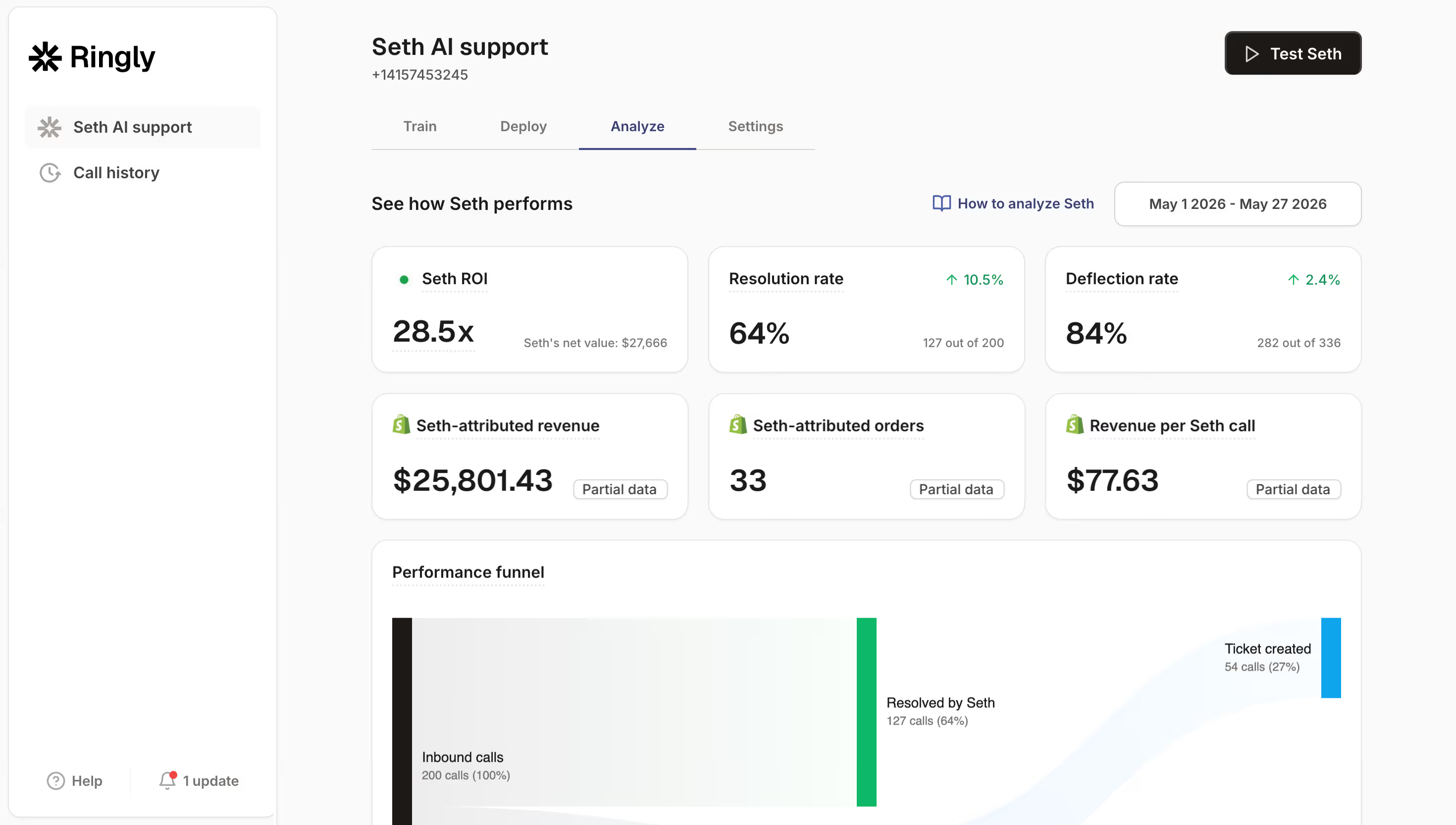

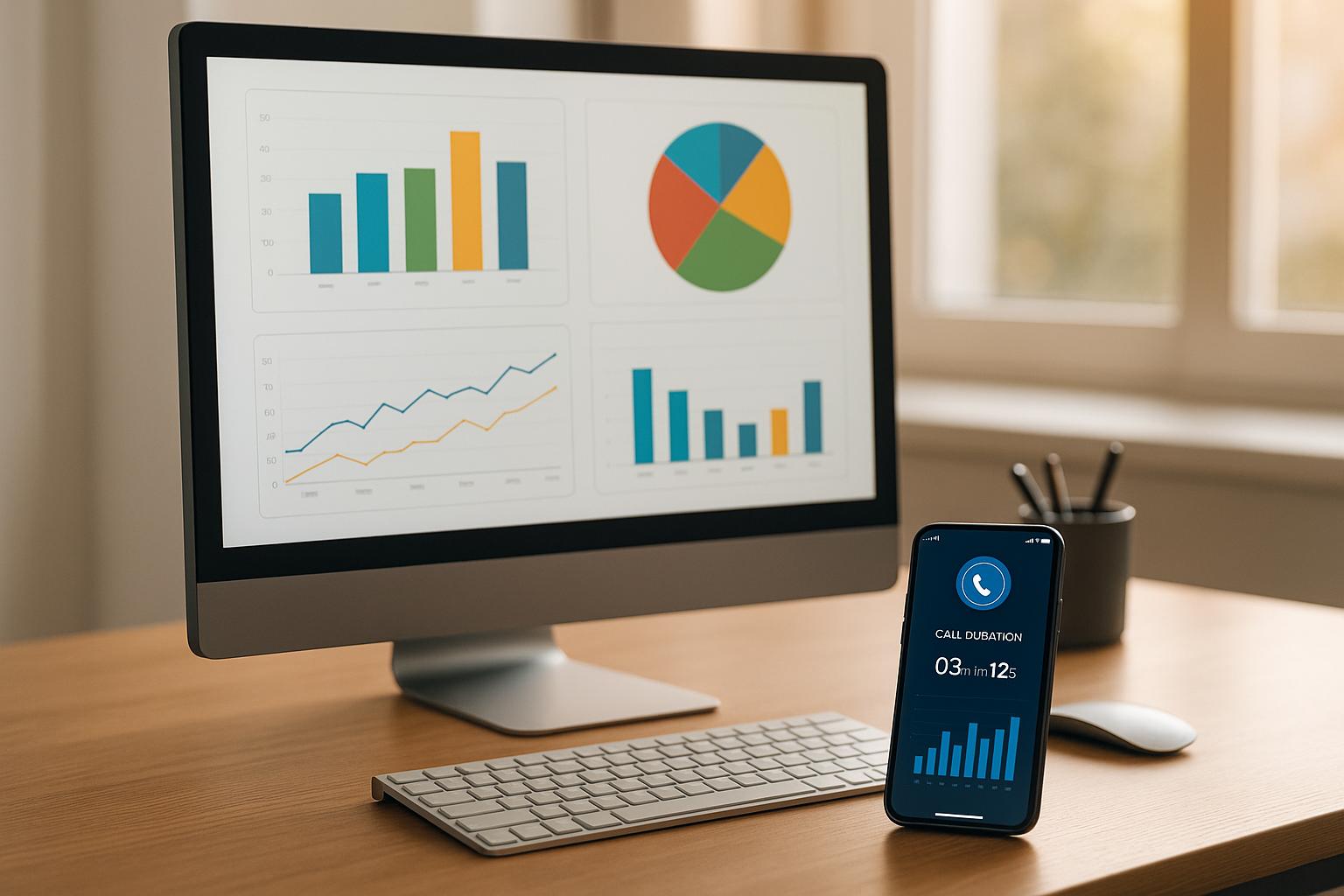
Estimate how much call-handling time your store would reclaim by routing inbound calls through an AI phone agent. Built for Shopify merchants in supplements, beauty, CBD, and pet brands. Pick your industry, enter your monthly call volume, and see hours, FTEs, and dollars saved.
AI Call Handling Time Estimator
See how many hours, FTEs, and dollars your store would reclaim if an AI phone agent handled inbound calls.
Per-category breakdown
| Category | Calls | Deflection | Hours saved |
|---|
Scenario ladder (savings at different call volumes)
| Call volume | Hours saved / mo | $ saved / mo |
|---|
Optimize Your Business with an AI Call Handling Time Estimator
Running a customer service operation can feel like juggling a hundred tasks at once. Between staffing, training, and ensuring quick resolutions, time is always the biggest constraint. That’s where smart technology steps in to lighten the load. A tool designed to predict call handling duration using AI can transform how you manage daily operations. It takes raw data—like average call length and inquiry complexity—and turns it into actionable insights, helping you allocate resources with confidence.
Why Predicting Call Time Matters
Every business dealing with customer inquiries knows that efficiency isn’t just a buzzword; it’s a lifeline. By estimating the total hours spent on calls each day, you can spot gaps in your process and address them before they spiral into bigger issues. A call time prediction tool, powered by intelligent algorithms, factors in variables like AI-driven time savings to show you exactly where minutes are being shaved off. Whether you’re a small startup or a bustling call center, this kind of clarity lets you focus on what matters most: keeping customers happy while streamlining costs. Try it out and see the difference!
Also read: Ecommerce Support Outsourcing: How to Scale Without Hiring
FAQs
How does the AI efficiency factor affect the results?
The AI efficiency factor represents the percentage of time saved on each call thanks to AI tools, like automated responses or call routing. For example, if it’s set at 30%, a 10-minute call drops to 7 minutes after AI optimization. You can tweak this based on your system’s performance, but we default to 30% as a realistic benchmark for most setups. It’s a great way to see how tech can cut down manual effort!
What if my call complexity varies day to day?
No worries! The tool lets you adjust the complexity level—low, medium, or high—each time you use it. Medium adds 2 minutes to the average call duration, and high adds 5 minutes, reflecting the extra effort needed. Just pick what matches the majority of your calls for that day or run multiple estimates to see a range of outcomes. It’s flexible for real-world scenarios.
Can I trust these estimates for staffing decisions?
Absolutely, though it’s best used as a starting point. The estimator crunches your inputs—call volume, duration, complexity, and AI savings—to give a solid prediction of daily handling time in hours. Pair this with your own data on peak times or staff availability to make informed choices. It’s not a crystal ball, but it’s a powerful way to cut through the uncertainty of planning.

{"@context":"https://schema.org","@type":"FAQPage","mainEntity":[{"@type":"Question","name":"How does the AI efficiency factor affect the results?","acceptedAnswer":{"@type":"Answer","text":"<p>The AI efficiency factor represents the percentage of time saved on each call thanks to AI tools, like automated responses or call routing. For example, if it’s set at 30%, a 10-minute call drops to 7 minutes after AI optimization. You can tweak this based on your system’s performance, but we default to 30% as a realistic benchmark for most setups. It’s a great way to see how tech can cut down manual effort!</p>"}},{"@type":"Question","name":"What if my call complexity varies day to day?","acceptedAnswer":{"@type":"Answer","text":"<p>No worries! The tool lets you adjust the complexity level—low, medium, or high—each time you use it. Medium adds 2 minutes to the average call duration, and high adds 5 minutes, reflecting the extra effort needed. Just pick what matches the majority of your calls for that day or run multiple estimates to see a range of outcomes. It’s flexible for real-world scenarios.</p>"}},{"@type":"Question","name":"Can I trust these estimates for staffing decisions?","acceptedAnswer":{"@type":"Answer","text":"<p>Absolutely, though it’s best used as a starting point. The estimator crunches your inputs—call volume, duration, complexity, and AI savings—to give a solid prediction of daily handling time in hours. Pair this with your own data on peak times or staff availability to make informed choices. It’s not a crystal ball, but it’s a powerful way to cut through the uncertainty of planning.</p>"}}]}
+ Math.round(n).toLocaleString('en-US'); } function fmtNum(n, d) { d = d == null ? 1 : d; if (!isFinite(n)) return '-'; return n.toLocaleString('en-US', { minimumFractionDigits: d, maximumFractionDigits: d }); } function fmtInt(n) { if (!isFinite(n)) return '-'; return Math.round(n).toLocaleString('en-US'); } function readInputs() { var volume = Math.max(0, +$('rw-ce-volume').value || 0); var aht = Math.max(0, +$('rw-ce-aht').value || 0); var s = Math.max(0, +$('rw-ce-simple').value || 0); var m = Math.max(0, +$('rw-ce-medium').value || 0); var c = Math.max(0, +$('rw-ce-complex').value || 0); var sum = s + m + c; var normalized = false; if (sum !== 100 && sum > 0) { s = s / sum * 100; m = m / sum * 100; c = c / sum * 100; normalized = true; } return { volume: volume, aht: aht, s: s, m: m, c: c, sumRaw: sum, normalized: normalized }; } function computeCategory(volume, aht, pct, key) { var calls = volume * pct / 100; var cfg = CAT[key]; var humanSec = calls * aht; var aiHandled = calls * cfg.defl * cfg.mult * aht; var transferred = calls * (1 - cfg.defl) * aht; var aiSec = aiHandled + transferred; var savedSec = humanSec - aiSec; return { key: key, label: cfg.label, calls: calls, defl: cfg.defl, humanSec: humanSec, aiSec: aiSec, savedSec: savedSec }; } function renderLadder(aht, s, m, c) { var base = +$('rw-ce-volume').value || 0; var multipliers = [0.5, 1, 2, 5]; var rows = multipliers.map(function(mult) { var v = Math.round(base * mult); if (v <= 0) return null; var parts = ['simple','medium','complex'].map(function(k, i) { var pct = [s, m, c][i]; return computeCategory(v, aht, pct, k); }); var savedSec = parts.reduce(function(acc, p) { return acc + p.savedSec; }, 0); var hours = savedSec / 3600; var dollars = hours * HOURLY; var cur = mult === 1; return 'Optimize Your Business with an AI Call Handling Time Estimator
Running a customer service operation can feel like juggling a hundred tasks at once. Between staffing, training, and ensuring quick resolutions, time is always the biggest constraint. That’s where smart technology steps in to lighten the load. A tool designed to predict call handling duration using AI can transform how you manage daily operations. It takes raw data—like average call length and inquiry complexity—and turns it into actionable insights, helping you allocate resources with confidence.
Why Predicting Call Time Matters
Every business dealing with customer inquiries knows that efficiency isn’t just a buzzword; it’s a lifeline. By estimating the total hours spent on calls each day, you can spot gaps in your process and address them before they spiral into bigger issues. A call time prediction tool, powered by intelligent algorithms, factors in variables like AI-driven time savings to show you exactly where minutes are being shaved off. Whether you’re a small startup or a bustling call center, this kind of clarity lets you focus on what matters most: keeping customers happy while streamlining costs. Try it out and see the difference!
Also read: Ecommerce Support Outsourcing: How to Scale Without Hiring
FAQs
How does the AI efficiency factor affect the results?
The AI efficiency factor represents the percentage of time saved on each call thanks to AI tools, like automated responses or call routing. For example, if it’s set at 30%, a 10-minute call drops to 7 minutes after AI optimization. You can tweak this based on your system’s performance, but we default to 30% as a realistic benchmark for most setups. It’s a great way to see how tech can cut down manual effort!
What if my call complexity varies day to day?
No worries! The tool lets you adjust the complexity level—low, medium, or high—each time you use it. Medium adds 2 minutes to the average call duration, and high adds 5 minutes, reflecting the extra effort needed. Just pick what matches the majority of your calls for that day or run multiple estimates to see a range of outcomes. It’s flexible for real-world scenarios.
Can I trust these estimates for staffing decisions?
Absolutely, though it’s best used as a starting point. The estimator crunches your inputs—call volume, duration, complexity, and AI savings—to give a solid prediction of daily handling time in hours. Pair this with your own data on peak times or staff availability to make informed choices. It’s not a crystal ball, but it’s a powerful way to cut through the uncertainty of planning.

{"@context":"https://schema.org","@type":"FAQPage","mainEntity":[{"@type":"Question","name":"How does the AI efficiency factor affect the results?","acceptedAnswer":{"@type":"Answer","text":"<p>The AI efficiency factor represents the percentage of time saved on each call thanks to AI tools, like automated responses or call routing. For example, if it’s set at 30%, a 10-minute call drops to 7 minutes after AI optimization. You can tweak this based on your system’s performance, but we default to 30% as a realistic benchmark for most setups. It’s a great way to see how tech can cut down manual effort!</p>"}},{"@type":"Question","name":"What if my call complexity varies day to day?","acceptedAnswer":{"@type":"Answer","text":"<p>No worries! The tool lets you adjust the complexity level—low, medium, or high—each time you use it. Medium adds 2 minutes to the average call duration, and high adds 5 minutes, reflecting the extra effort needed. Just pick what matches the majority of your calls for that day or run multiple estimates to see a range of outcomes. It’s flexible for real-world scenarios.</p>"}},{"@type":"Question","name":"Can I trust these estimates for staffing decisions?","acceptedAnswer":{"@type":"Answer","text":"<p>Absolutely, though it’s best used as a starting point. The estimator crunches your inputs—call volume, duration, complexity, and AI savings—to give a solid prediction of daily handling time in hours. Pair this with your own data on peak times or staff availability to make informed choices. It’s not a crystal ball, but it’s a powerful way to cut through the uncertainty of planning.</p>"}}]}