The best brands like Tatcha are OSEA for clean marine formulas, Vintner's Daughter for a single hero serum, Ranavat for Ayurvedic ritual, Beauty of Joseon for rice-based skincare under $20, and SK-II for genuine Japanese heritage. Which one is right depends on what you actually liked about Tatcha.
That last part is the bit most lists skip. People leave Tatcha for four different reasons, and they are not the same reason.
Some loved the ritual, the texture, the way the jar felt on a bathroom shelf. Some were there for the rice and the Japanese ingredient story. Some wanted visible results and got a nice experience instead. And plenty just could not keep paying $70 to $90 for 50ml.
Every brand below is sorted by which of those you are replacing, with a real published price attached so you can see whether it is a step down, sideways, or up.
How we picked these brands
- A real formulation point of view. Every brand here has a house ingredient or a stated philosophy, not a shelf of unrelated products. That is what Tatcha buyers respond to.
- Published prices and sizes. If a brand will not show you what things cost on its own site, it is not on this list.
- Ingredient overlap that matters. Rice, glycerin, squalane, fermented actives, barrier lipids. The things that made Tatcha work on your face.
- You can buy direct. Each of these sells from its own store, so you can read the sourcing story and reach a human if something goes wrong.
- A range across the whole price band. From $8 to $400, because trading down and trading up are both valid answers.
At a glance
| Brand | Best for | Price | Known for |
|---|---|---|---|
| OSEA | Clean-beauty ritual | $$ | Seaweed and marine algae, vegan, family-founded 1996 |
| Vintner's Daughter | One hero product | $$$ | Active Botanical Serum, 60+ plant nutrients |
| Ranavat | Heritage ritual | $$$ | Ayurvedic formulas built on Kashmiri saffron |
| Then I Met You | The double cleanse | $$ | Award-winning Living Cleansing Balm |
| Kypris Beauty | Face-oil devotees | $$$ | Three Beauty Elixirs for three skin types |
| Herbivore Botanicals | Sensory on a budget | $$ | Plant-based, single-ingredient-led range |
| Marie Veronique | Barrier repair | $$$ | Chemist-founded, barrier-first formulation |
| Yu-Be | Japanese and cheap | $ | Glycerin cream first made in 1957 |
| Beauty of Joseon | Rice-based glow | $ | Hanbang rice and ginseng under $20 |
| SK-II | Japanese lineage | $$$ | PITERA fermented yeast essence |
| Shiseido | Track record | $$$ | Japan's oldest cosmetics house, founded 1872 |
| Augustinus Bader | Trading up on results | $$$ | TFC8 and The Rich Cream |
1. OSEA

OSEA has been building formulas around seaweed and marine algae since 1996, long before anyone called it clean beauty. It was started by a mother and daughter in Malibu and is still vegan and cruelty-free across the range.
The Ocean Cleanser runs $48, which puts the line roughly where Tatcha sits without the luxury-counter framing.
Best for the person who bought Tatcha for the ritual and the ingredient story, and who wants a brand that has held one position for nearly thirty years. If you are shopping this category more broadly, it also turns up on most clean skincare brand shortlists.
2. Vintner's Daughter
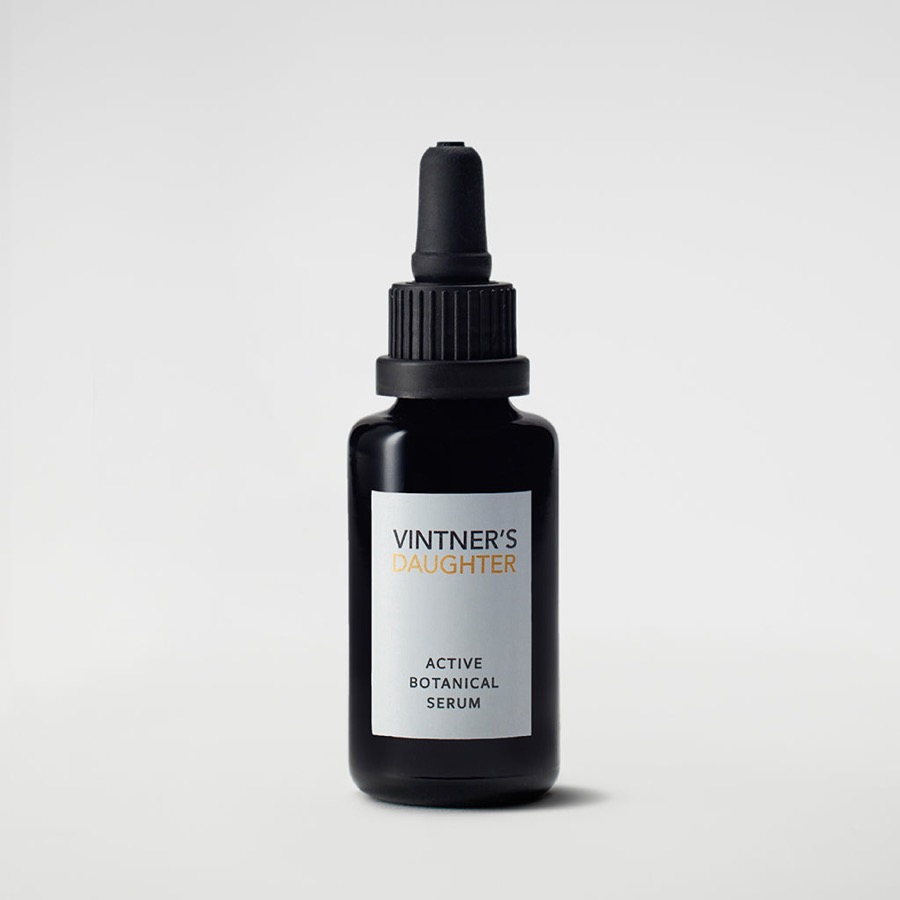
Vintner's Daughter sells almost nothing, and that is the appeal. The Active Botanical Serum is a $215 face oil the brand describes as carrying more than 60 skin nutrients from whole-plant actives, and it is one of the most awarded face oils on the market.
The whole line is a handful of products that build around it.
Best for the person who wants to own one expensive thing instead of a seven-step routine. Not for you if you like variety, or if $215 for 30ml reads as a worse deal than the Tatcha jar you just left.
3. Ranavat
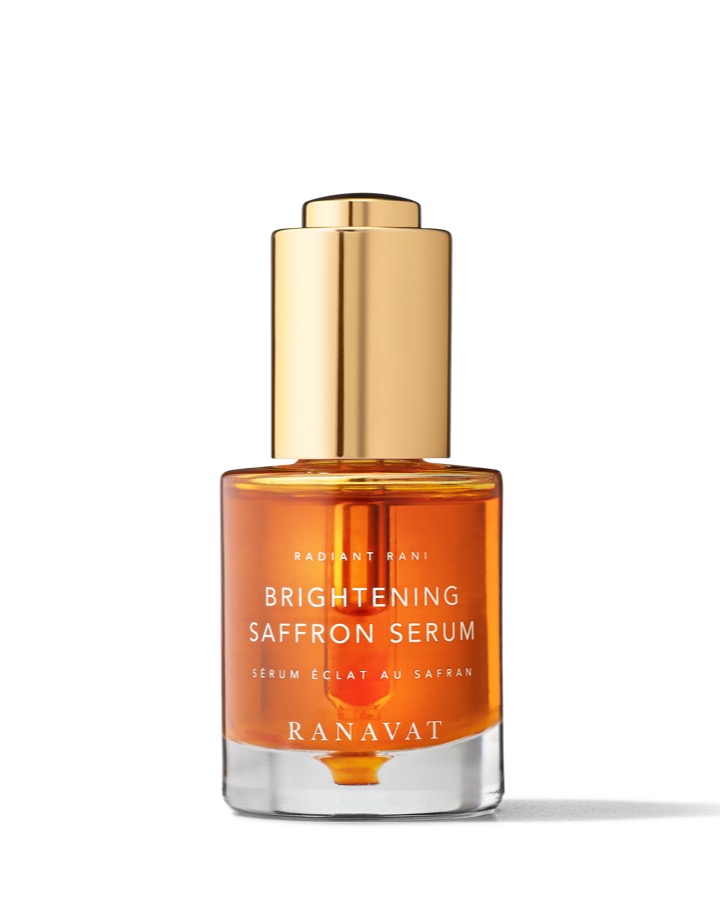
Ranavat does for Ayurveda what Tatcha did for Japanese ritual, except the founder is drawing on her own heritage. Michelle Ranavat launched it in 2017 and self-funded it, and the formulas are built on hand-harvested saffron from Kashmir. The saffron serum alone has sold over half a million units.
The Brightening Saffron Face Serum is $135, and the Saffron Cleanser is $45.
Best for the ritual person who wants a heritage story with traceable sourcing behind it rather than a mood board.
4. Then I Met You

Then I Met You was founded in 2018 by Charlotte Cho, who co-founded Soko Glam, and the brand is built around the Korean idea of jeong. The Living Cleansing Balm is the one people come for. It won the 2024 Vogue Thailand Beauty Award for Best Cleansing Balm and made WWD Beauty Inc's 2021 list of the 100 greatest skincare products of all time.
At $39, it is the most direct swap for the cleansing-oil step Tatcha made famous.
Best for anyone whose favourite part of the routine was the first two minutes of it.
5. Kypris Beauty

Kypris Beauty built its reputation on the Beauty Elixirs, three botanical face oils formulated for different skin types instead of one oil sold as universal. Beauty Elixir I: 1,000 Roses is $245, and the Antioxidant Dew serum is $98.
It is a small, quiet, unmistakably expensive line.
Best for the person trading up rather than down, and for anyone who found creams too heavy and wants to live in oils instead. Skip it if you want a full routine from one brand.
6. Herbivore Botanicals
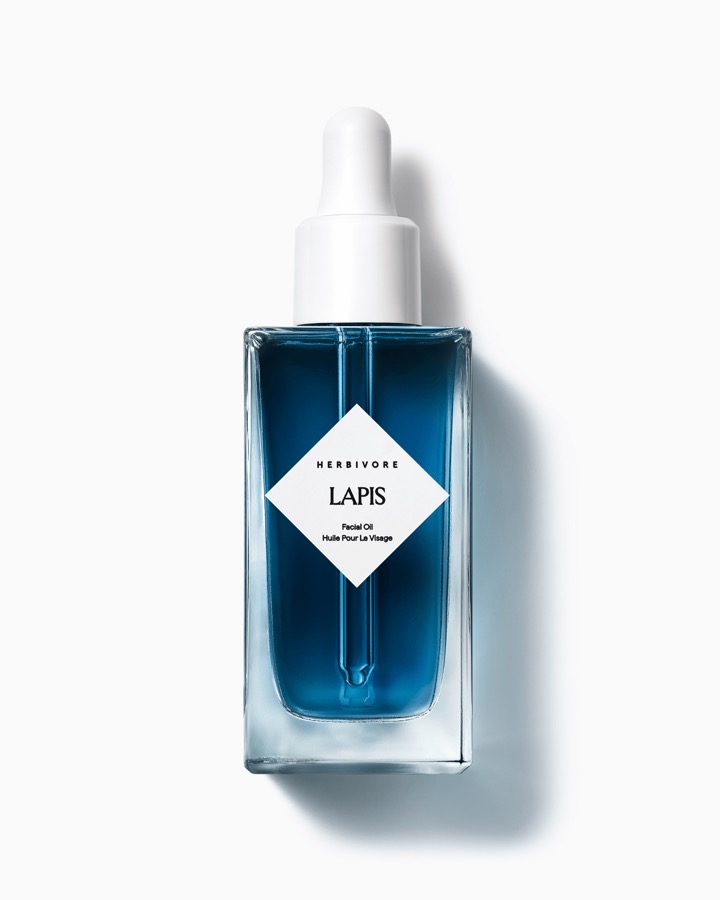
Herbivore Botanicals organises its whole range around single lead ingredients, so you always know what you are buying. LAPIS is blue tansy and squalane at $88, PHOENIX is rosehip and sea buckthorn, and the PINK CLOUD cleanser is $28.
The packaging is genuinely nice, which matters more than people admit when they are replacing Tatcha.
Best for the shopper who wants the sensory, designed feel without the luxury price. Fragrance-sensitive skin should read the botanical lists first.
7. Marie Veronique

Marie Veronique was founded in Berkeley in 2002 by Marie-Veronique Nadeau, a chemist and former high-school chemistry teacher who was among the first to formulate a non-nano zinc oxide sunscreen. She develops the line with her daughter Jay Nadeau, a physicist and biomedical engineer.
Everything here points at one thing, which is repairing the skin barrier. The Barrier Restore Serum is $120 and the Barrier Lipid Complex is $95.
Best for the results person, and for anyone whose skin got reactive on a richer routine. If you want the same clinical bias with a louder, more colourful personality, look at Drunk Elephant alternatives too.
8. Yu-Be

Yu-Be is the answer for anyone who wanted actual Japanese skincare rather than Japanese-inspired skincare. The cream was first formulated in 1957 by a pharmacist named Yoshikiyo Nowatari, and it works on a high concentration of glycerin rather than a long ingredient list.
The tube is $18.
Best for the sticker-shock shopper, and for dry or cracked skin in winter. It is a workhorse, not a luxury object, so do not buy it expecting a jar you want to display.
9. Beauty of Joseon

Beauty of Joseon makes hanbang formulas built on rice and ginseng, which is the closest ingredient match to Tatcha's rice-based lineup anywhere on this list. The Glow Serum is $8.50 and the Daily Relief Sunscreen SPF 40 is $13.50.
Yes, those are the real prices.
Best for anyone who liked what rice was doing for their skin and wanted to stop paying luxury rates for it. It sits in the same K-beauty aisle as Glow Recipe and its alternatives, with a quieter, more traditional formulation angle.
10. SK-II

SK-II is built on PITERA, a fermented yeast filtrate, and the Facial Treatment Essence made from it. At $99 for the essence it is the most famous Japanese skincare purchase there is, and the LXP Ultimate Revival Cream runs $400 if you keep going.
Best for the lineage person, the one who left Tatcha because they wanted the real Japanese house rather than the interpretation. Not a budget move in any direction.
11. Shiseido

Shiseido is Japan's oldest cosmetics company, founded in 1872, and the Ultimune Power Infusing Serum has been its hero for years. It is the one brand here you can buy almost anywhere, which counts for something when you need a refill in an airport.
Best for the person who wants a long track record and easy availability over a founder story. Best avoided if part of the appeal of Tatcha was buying from something small.
12. Augustinus Bader

Augustinus Bader is named for the stem-cell scientist who developed TFC8, the compound behind The Rich Cream. It is the trade-up option on this list, and the brand's whole argument is the science rather than the ritual.
Best for the results person with room in the budget. If what you liked about Tatcha was how it felt rather than what it did, this is the wrong direction and Ranavat or Kypris will suit you better.
How to choose a Tatcha alternative
Start with why you are leaving.
If you loved the ritual, go to Ranavat, Kypris Beauty, or Then I Met You. All three sell an experience with real formulation behind it, and Then I Met You is the cheapest way in at $39.
If you wanted the Japanese lineage, go to Yu-Be at the low end, SK-II or Shiseido at the high end. Yu-Be at $18 and SK-II at $99 answer the same question at very different price points.
If you wanted results, go to Marie Veronique for barrier repair or Augustinus Bader if budget is not the constraint. Both are built on a formulation argument rather than a mood.
If it was the price, go to Beauty of Joseon or Yu-Be. Under $20 each, with ingredient stories that hold up.
If you want the clean-beauty version, go to OSEA or Herbivore Botanicals.
One more thing worth knowing: nine of these twelve run their own direct stores, which is where the newer products and the honest sizing usually show up first. That is true across most of the best DTC beauty brands, not just this list.
Frequently asked questions
Is Tatcha actually a Japanese brand?
Tatcha is a US-founded brand that draws on Japanese beauty traditions and ingredients. That distinction matters to a lot of shoppers in Japanese beauty communities, and it is a common reason people move to Yu-Be, SK-II, or Shiseido, which are Japanese companies.
What is the closest thing to Tatcha's Dewy Skin Cream?
For the same rice-based ingredient story at a fraction of the price, Beauty of Joseon is the closest match. For a similar cushiony, glow-forward texture in a more premium line, look at Ranavat or Kypris Beauty.
Are there cheaper brands that use the same ingredients as Tatcha?
Yes. Rice, glycerin, and squalane are not rare or expensive ingredients. Beauty of Joseon builds on rice and ginseng for under $20, and Yu-Be's glycerin cream is $18 a tube.
Which of these is best for sensitive skin?
Marie Veronique, since the entire line is designed around barrier repair and was created by a chemist who formulated for her own rosacea. Yu-Be is also a safe bet, because the formula is short and built for dry, cracked skin.
Is luxury skincare actually better than drugstore skincare?
Sometimes, and not reliably. What you pay for at the top end is usually higher concentrations of active ingredients, better stability and packaging, and a nicer experience. Ingredient quality and formulation matter more than the price on the box.
What should I look for on the ingredient list if I like Tatcha?
Rice bran and rice ferment, glycerin, squalane, and fermented actives. Those do most of the work in the products people miss. Where they sit in the ingredient list tells you how much of them you are actually getting.
Are any of these brands vegan and cruelty-free?
OSEA is both, across the whole range. Herbivore Botanicals is plant-based by design. For the rest, check the specific product, since a line can be cruelty-free without every formula being vegan.