

Seed's DS-01 is one delayed-release synbiotic, so "brands like Seed" actually splits into a few different approaches. Ritual is the closest same-shape synbiotic, Just Thrive leads on spore-based survivability, and Pendulum owns the next-generation Akkermansia angle. Here are 10 gut-health brands worth cross-shopping, sorted by how they actually work.
Seed made a specific promise popular: a two-in-one prebiotic and probiotic in a delayed-release capsule, with named strains and a research-forward story, for around $50 a month. Plenty of shoppers like that promise but want a lower price, a vegan formula, a liquid, or a mechanism Seed doesn't use.
So instead of ranking ten near-identical capsules, this list spreads across the real options: delayed-release synbiotics, spore-based probiotics, next-generation strains, prebiotic fiber, and gut-lining support. Each pick is a real direct-to-consumer brand with a working store, and each entry says who it's genuinely for.
How we picked these brands
- Real, verifiable brands. Every pick has a live store and formula facts we could confirm on the brand's own site, not a name pulled from memory.
- A clear gut mechanism. Each brand does something specific: synbiotic, spore-based probiotic, Akkermansia, prebiotic fiber, or colostrum for the gut lining.
- Formula transparency. We favored disclosed strains, stated CFU or AFU counts, and third-party testing over proprietary blends that hide the doses.
- An honest "best for." A pick only earns a slot if we can name the exact shopper it suits, because the cheapest option is not the right one for everyone.
- Mostly built direct, like Seed. Nine of the ten sell straight to you from their own store, which usually means fresher stock and a subscription you control.
At a glance
| Brand | Best for | Price | Known for |
|---|---|---|---|
| Ritual | Closest Seed-style synbiotic | Mid | 3-in-1 synbiotic, delayed-release, LGG + BB-12 |
| Just Thrive | Survivability seekers | Mid | Spore-based, arrives alive, no fridge |
| Transparent Labs | Label-readers | Mid | Synbiotic 3-in-1, fully disclosed, third-party tested |
| Pendulum | Metabolic and blood sugar | Premium | Akkermansia, doctor-formulated |
| mindbodygreen | Bloat and comfort | Premium | 4 clinical strains plus fiber |
| Ora Organic | Vegan and clean | Mid | Plant-based Trust Your Gut |
| Physician's Choice | Budget plus reviews | Budget | 60B CFU, 10 strains, huge review count |
| MaryRuth Organics | Liquid and whole-family | Budget-mid | Gentle liquid probiotics, vegan |
| Supergut | Prebiotic-fiber-first | Mid | Resistant-starch shakes and bars |
| ARMRA | Gut-lining support | Premium | Grass-fed colostrum concentrate |
1. Ritual
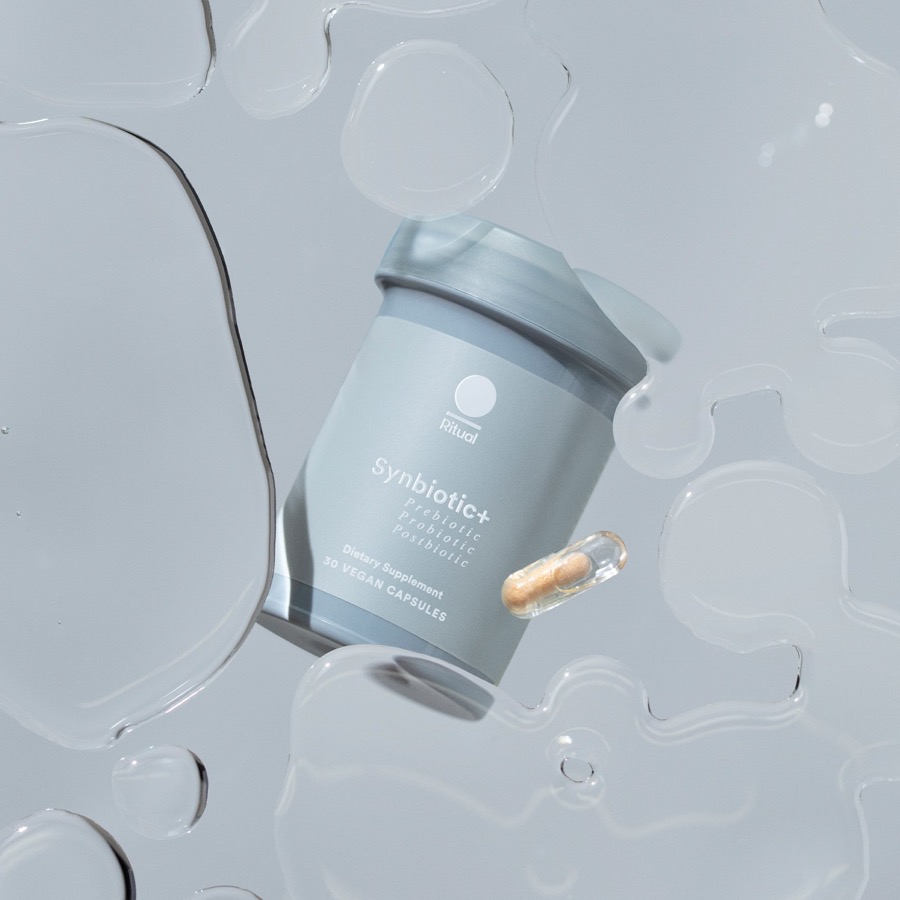
Ritual is the most direct swap if you want Seed's shape at a friendlier price. Its Synbiotic+ packs a prebiotic, probiotic, and postbiotic into one delayed-release capsule, with 11 billion CFU and two clinically studied strains (LGG and BB-12) instead of a long strain list. The brand's Made Traceable program publishes where each ingredient comes from, which is the kind of transparency Seed shoppers tend to care about.
Best for the shopper who wants a simpler, clearly labeled synbiotic and doesn't need two dozen strains. If you landed here from a wider search, our roundup of Ritual alternatives compares it head to head with the rest of this category.
2. Just Thrive
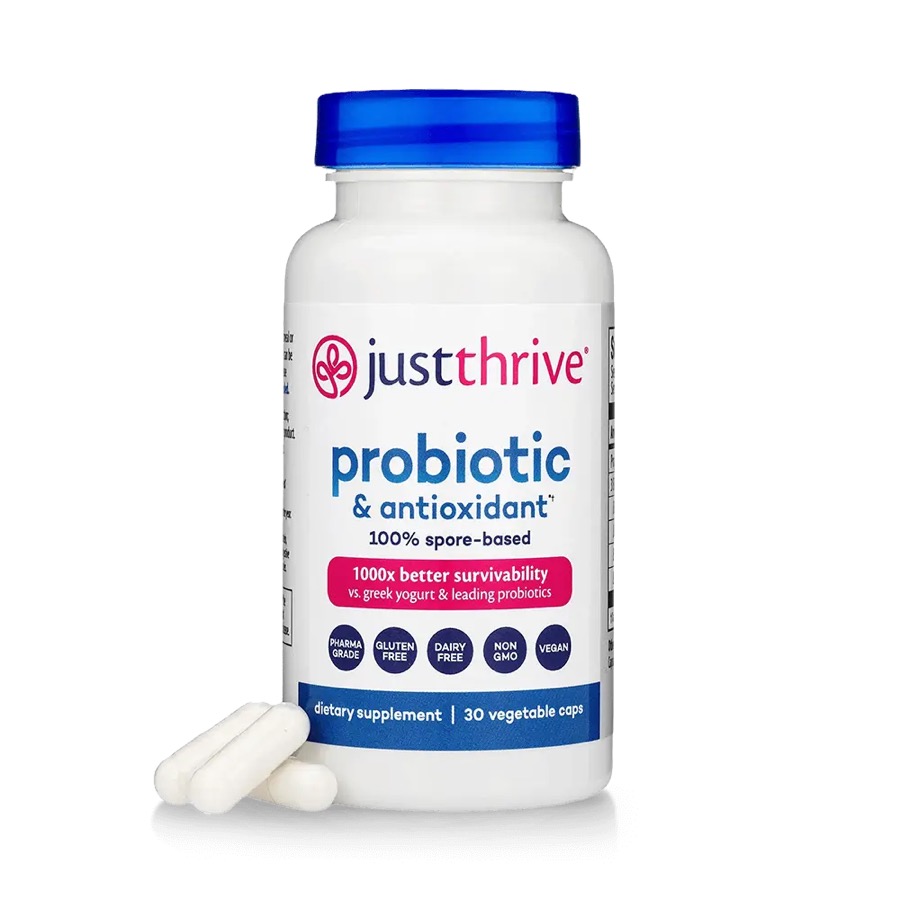
Just Thrive takes a different route: a spore-based Probiotic built around Bacillus strains that are designed to survive stomach acid and arrive alive in the intestines, where most conventional strains struggle. It's shelf-stable, so no refrigeration, and the brand sells a separate PREbiotic you can pair with it to build your own synbiotic.
Best for anyone who has tried capsule probiotics that seemed to do nothing and wants the survivability angle. Spore-based formulas are a genuine mechanism difference from Seed's, not just a different label.
3. Transparent Labs

Transparent Labs built its whole identity on fully disclosed labels, no artificial fillers, and third-party testing, and its Synbiotic 3-in-1 brings that same discipline to gut health with a prebiotic, probiotic, and postbiotic in one formula. If proprietary blends bother you, this is the pick where you can read exactly what and how much you're getting.
Best for label-readers and value hunters who want maximum transparency without paying a premium-brand markup.
4. Pendulum

Pendulum is the first company to commercially produce Akkermansia muciniphila, a next-generation keystone strain that regular probiotics don't contain. Its doctor-formulated lineup (Akkermansia, Glucose Control, and a GLP-1 Probiotic) leans toward metabolic and blood-sugar support rather than everyday digestion.
Best for shoppers whose goal is metabolism, cravings, or blood sugar, not just regularity. It sits at the premium end, and the strain science is the reason people pay for it.
5. mindbodygreen

mindbodygreen grew out of the wellness media brand, and its advanced probiotic+ pairs four clinically studied strains with prebiotic fiber, tuned specifically for bloat and daily digestive comfort. It's a focused formula rather than a kitchen-sink one.
Best for the shopper whose main complaint is bloating and who wants a targeted, clinically backed pick. It's priced at the premium end, in line with the rest of the mindbodygreen range.
6. Ora Organic
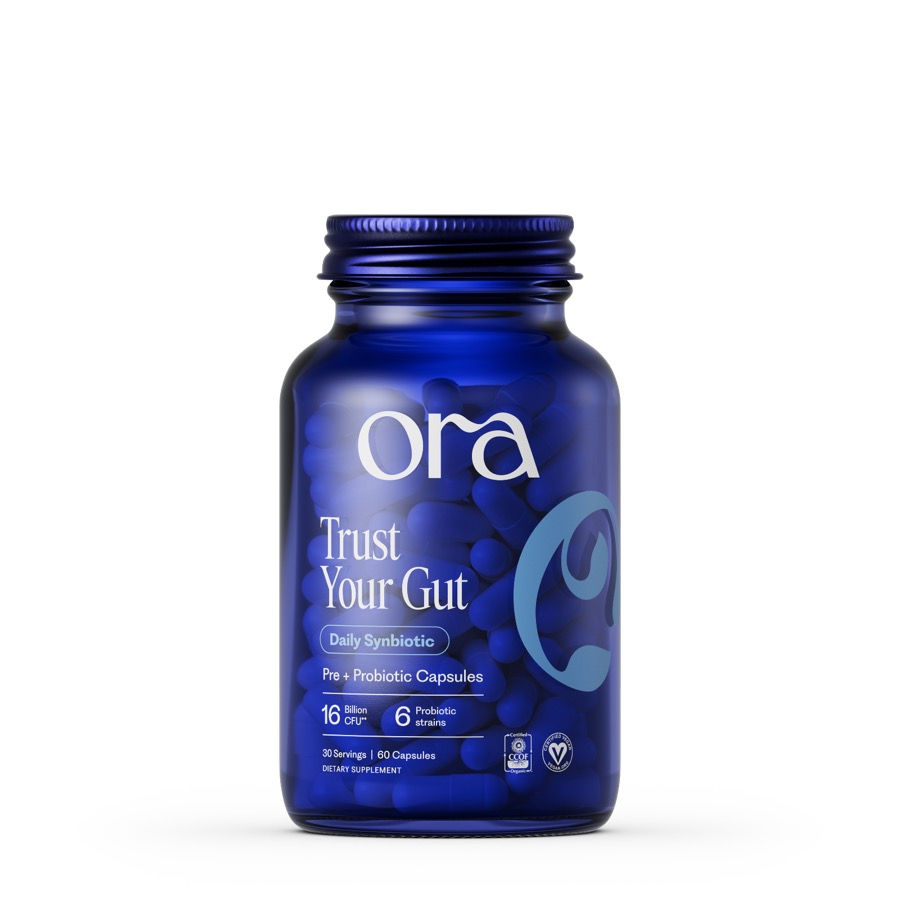
Ora Organic is the plant-based option here. Its Trust Your Gut line covers vegan, organic pre and probiotic formulas in capsules, powders, and pixie sticks, with the transparent sourcing the brand is known for. If you avoid animal-derived ingredients, this is the easiest clean-label swap for Seed.
Best for vegan and plant-based shoppers who still want a genuine synbiotic rather than a bare probiotic.
7. Physician's Choice

Physician's Choice is the budget pick with the deepest bench of reviews. Its 60 Billion Probiotic combines 10 strains with an organic prebiotic at a fraction of Seed's monthly cost, and the brand also sells targeted Bloat + Gas and Mood Support formulas. It is one of the most-reviewed probiotics you can buy, which is reassuring if social proof matters to you.
Best for budget shoppers who want a high CFU count and a mountain of real reviews behind the decision.
8. MaryRuth Organics
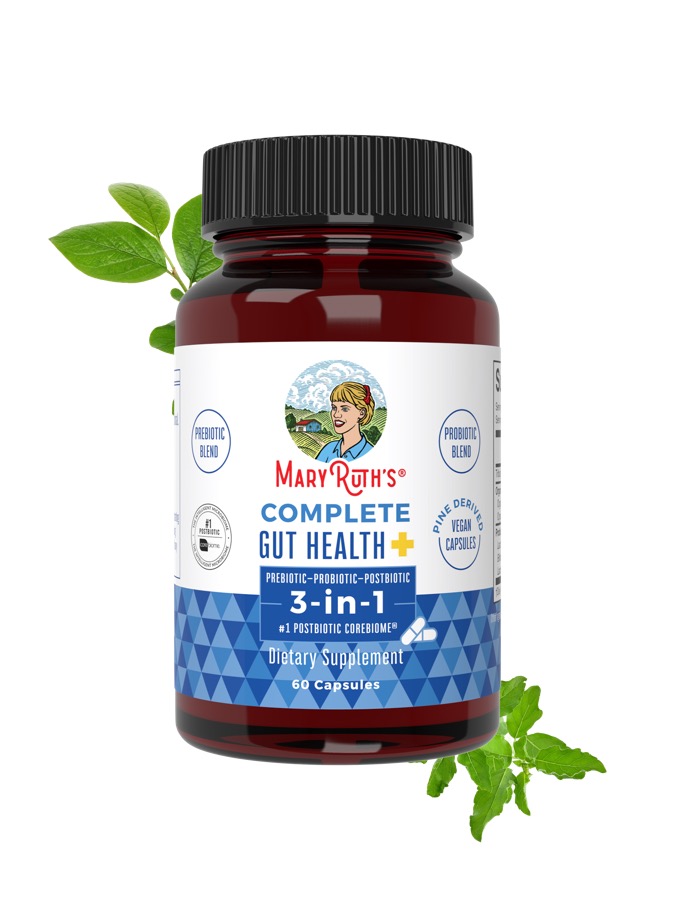
MaryRuth Organics is the brand to reach for if you dislike swallowing large capsules. It's best known for gentle liquid probiotics, and it also makes a Complete Gut Health+ capsule, all vegan and non-GMO, across a whole-family range of drops, gummies, and capsules.
Best for shoppers who want a gentle liquid format or one brand that covers the whole household. Prices sit in the budget-to-mid band.
9. Supergut
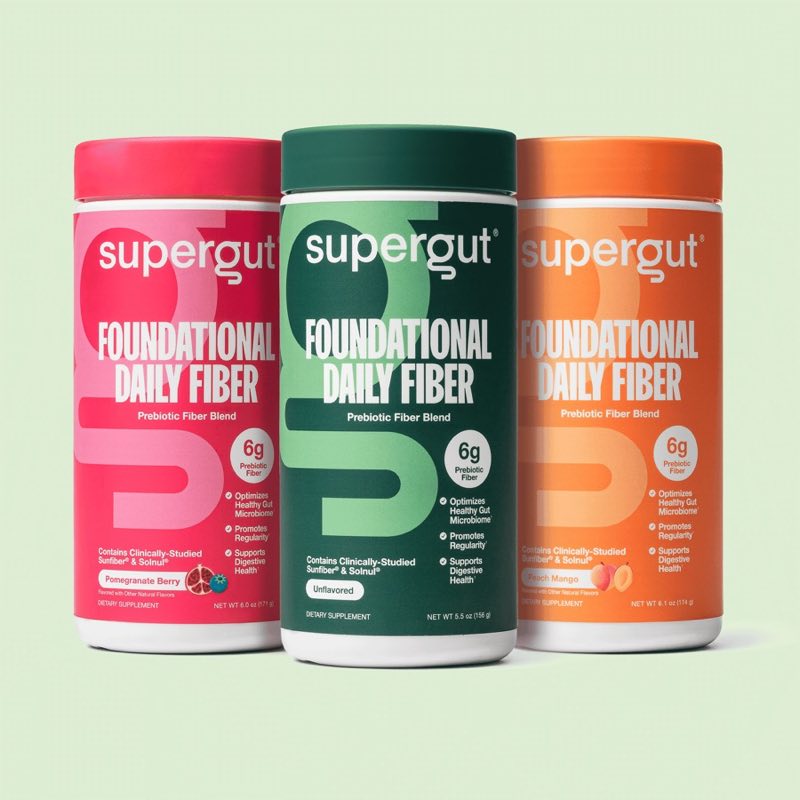
Supergut flips the approach. Instead of another probiotic capsule, it uses a prebiotic-fiber-first strategy built on resistant starch to feed the bacteria you already have, sold as shakes, bars, and its Gut Health Essentials, with a focus on blood sugar, cravings, and satiety. It's closer to a food than a supplement.
Best for shoppers who'd rather feed their microbiome than add more strains, especially if metabolic goals are in the mix. If you're comparing it against greens and meal-style powders, see our picks for brands like Huel and brands like Bloom Nutrition.
10. ARMRA

ARMRA is the outlier, and a useful one. It's a grass-fed bovine colostrum concentrate rich in bioactives, aimed at supporting the gut lining and barrier rather than adding bacteria, sold as unflavored jars, travel sticks, and colostrum sodas. Seed targets gut-barrier integrity too, so colostrum is a complementary angle plenty of gut-focused shoppers stack alongside a probiotic.
Best for shoppers who want to support the gut lining itself, not only the bacteria living in it. It sits at the premium end.
How to choose a gut-health brand like Seed
Start with the mechanism, then the segment.
If you want the closest thing to Seed for less, go with Ritual or Transparent Labs, both delayed-release synbiotics with disclosed strains. If earlier probiotics did nothing, try the spore-based route with Just Thrive. If your goal is metabolic or blood-sugar support, Pendulum's Akkermansia or Supergut's prebiotic fiber fit better than a standard probiotic. If bloating is the whole problem, mindbodygreen is built for it, and Physician's Choice has a Bloat + Gas formula at a lower price.
On format and diet: choose Ora Organic for a vegan capsule, MaryRuth Organics for a gentle liquid or the whole family, and ARMRA if you want to support the gut lining alongside whatever probiotic you land on. On budget, Physician's Choice gives you the most CFU and reviews per dollar.
For the wider field of probiotic-first picks, our best probiotic brands guide ranks the category on its own, and if you're building a whole supplement routine, the best DTC supplement brands roundup covers the direct-to-consumer names worth knowing.
Frequently asked questions
Is there a cheaper probiotic that works as well as Seed?
Ritual and Transparent Labs offer a similar delayed-release synbiotic with disclosed strains at or below Seed's price, and Physician's Choice gives you a high CFU count for far less. "As well" depends on your goal, since strain counts and delivery differ, but you do not have to pay $50 a month for a transparent, well-formulated option.
What makes Seed DS-01 different from a regular probiotic?
DS-01 is a synbiotic, meaning it pairs 24 probiotic strains with a prebiotic in a single delayed-release capsule designed to protect the bacteria through the stomach. Many drugstore probiotics are single-strain, contain no prebiotic, and count their CFU at the time of manufacture rather than at the end of shelf life.
Do I need a synbiotic, or just a probiotic?
A synbiotic includes prebiotic fiber to feed the probiotic strains, which can help them establish. If you already eat plenty of fiber, a straightforward probiotic like Just Thrive or Physician's Choice may be enough. If not, a synbiotic like Ritual or a prebiotic-first product like Supergut can be a better fit.
Are spore-based probiotics better than regular ones?
Spore-based strains, like those in Just Thrive, form a protective shell that helps them survive stomach acid and reach the intestines, which is their main selling point. They are not automatically "better," but they can be a smart try if conventional probiotics never seemed to do anything for you.
What is Akkermansia and why is Pendulum known for it?
Akkermansia muciniphila is a keystone gut bacterium tied to the gut lining and metabolic health that most probiotics do not include. Pendulum was the first to produce it commercially, which is why its formulas are the go-to when someone specifically wants Akkermansia.
Do probiotics need to be refrigerated, and how long until they work?
It depends on the formula: spore-based and many modern synbiotics like Just Thrive and Seed are shelf-stable, while some live-culture products still ask for refrigeration. Most people give a probiotic four to six weeks of daily use before judging whether it helps.