If you like Poppi but want more actual fiber, cleaner sweeteners, or a fermented twist, the best places to look are Olipop, Culture Pop, Wildwonder, and Mayawell. Each one takes the "soda that's a little better for your gut" idea and pushes it further, whether that means more prebiotic fiber per can, real fruit juice instead of stevia, or live probiotics.
Poppi made prebiotic soda a grocery-aisle staple, and plenty of people still love the pink can. But a lot of shoppers started reading the labels more closely after Poppi settled an $8.9 million class-action lawsuit in 2025 over its "gut healthy" marketing. The core claim was simple: at roughly two grams of prebiotic fiber per can, you would need to drink several a day to see a real benefit. That does not make Poppi bad. It just means it is worth knowing what else is out there, and which brands actually deliver on the promise.
How we picked these brands
- Meaningful prebiotic or probiotic content. We favored cans that give you real fiber grams or live cultures, not a token amount, since that is the whole reason to buy the category.
- Honest sweeteners. We looked at what each brand uses to sweeten, from real fruit juice and agave to monk fruit, and how much total sugar lands in the can.
- Actual soda flavor. The most common complaint about "healthy soda" is that it tastes like sparkling juice. We leaned toward brands that taste like a real drink.
- Track record and transparency. After the Poppi settlement, clear labeling and a credible story matter more than ever.
- A real storefront you can buy from. Every pick runs its own direct-to-consumer shop, so you can order without hunting through a marketplace. If you like discovering brands this way, our roundup of the best DTC food brands goes wider than drinks.
At a glance
| Brand | Best for | Price | Known for |
|---|---|---|---|
| Olipop | Most fiber per can | Mid | 6-9g prebiotic fiber, OLISMART blend |
| Culture Pop | Stevia-haters | Mid | Probiotic soda, real juice, no stevia |
| Wildwonder | Pre + probiotic combo | Mid | 5g fiber plus 1B CFU probiotic |
| Mayawell | No-stevia, mission-driven | Mid | Organic agave inulin, no stevia or vinegar |
| De La Calle | Fermented flavors | Mid | Tepache, fermented pineapple |
| Halfday | Iced-tea drinkers | Mid | Prebiotic iced tea, about 5g fiber |
| Health-Ade | Fermentation fans | Mid | Kombucha plus SunSip prebiotic soda |
| Aura Bora | Zero-sugar sparkling | Mid | Herbal sparkling water, 0g sugar |
| Bloom Pop | Nostalgic low-sugar flavors | Mid | PreticX prebiotic, 20 cal, 3-4g sugar |
| Sunwink | Herbal and adaptogen fans | Mid | Superfood tonics and sparkling |
| Nixie | Cleanest budget sparkling | Budget | USDA organic sparkling water |
| Popwell | Lowest sugar or a caffeine kick | Mid | About 1g sugar, optional 40mg caffeine |
1. Olipop
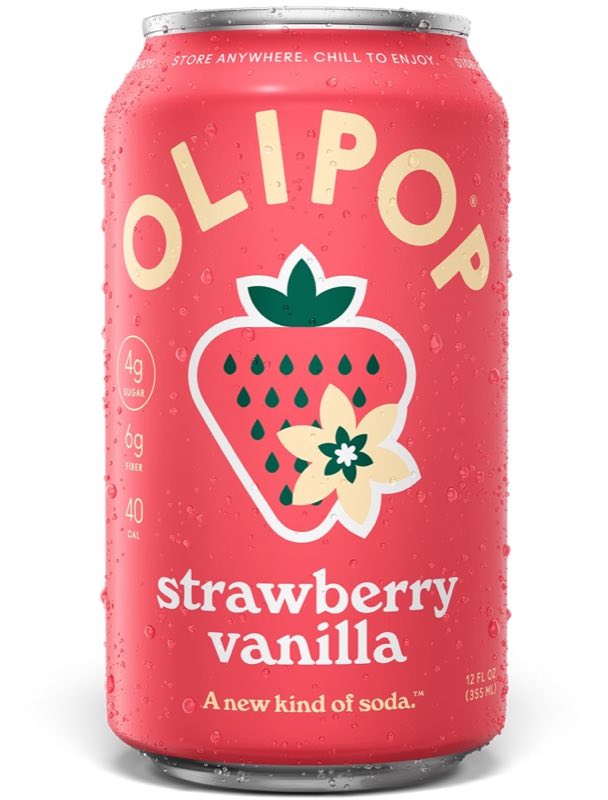
If Poppi is the entry point, Olipop is the upgrade most people reach for. Its OLISMART blend combines seven different prebiotic fibers and botanicals, and each can carries roughly 6 to 9 grams of fiber, the highest in the category, with 2 to 5 grams of sugar. The flavors lean into real soda nostalgia, with cans like Classic Root Beer, Vintage Cola, and Strawberry Vanilla.
Best for anyone who felt Poppi's fiber count was too low and wants a can that actually moves the needle. Olipop and Poppi are the two brands everyone compares first, and we break the matchup down in detail in our Olipop competitors guide.
2. Culture Pop
Culture Pop takes a different route than most of this list. Instead of prebiotic fiber, it is a probiotic soda with live cultures, and it is sweetened only with real fruit juice and spices, no stevia and no other alternative sweeteners. That is why it keeps showing up on "best tasting" lists from people who cannot stand the stevia aftertaste in other functional sodas.
Best for shoppers who want a clean, juice-sweetened soda and would rather have live probiotics than a fiber count.
3. Wildwonder
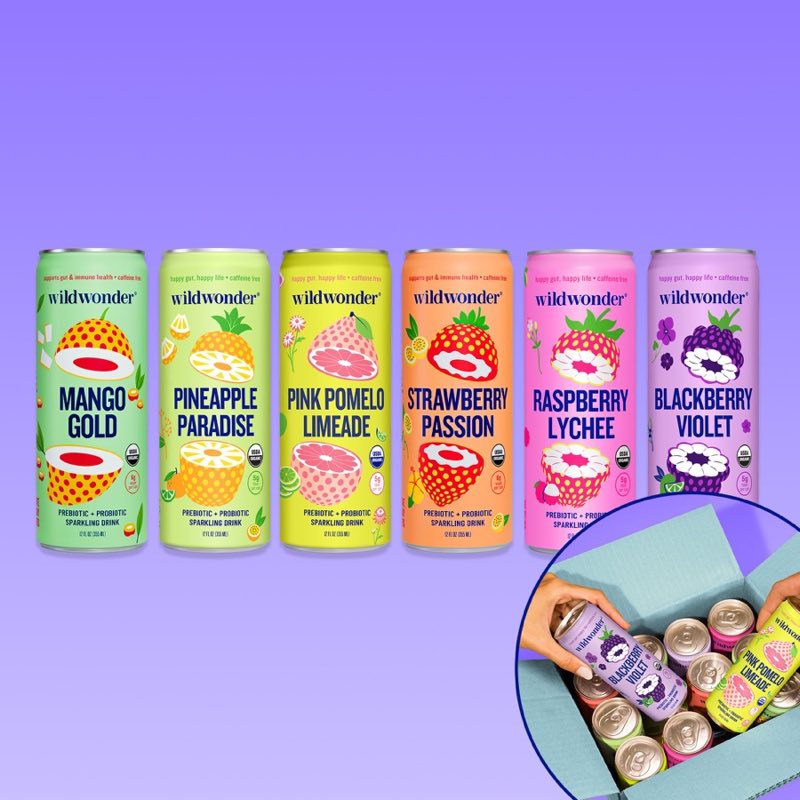
Wildwonder is the rare can that gives you both sides of the gut-health story. Each one delivers about 5 grams of prebiotic fiber plus roughly a billion CFU of Bacillus subtilis, a spore-forming probiotic that survives shelf storage and stomach acid. Founded by Rosa Li, the brand pairs that function with light, tea-forward flavors like Guava Rose and Strawberry Passion.
Best for people who want prebiotics and probiotics together without buying two separate products.
4. Mayawell
Mayawell builds its sodas around organic, hand-harvested agave inulin, which it calls Active Agave and describes as clinically studied to help retain healthy gut bacteria. There is no stevia, no apple cider vinegar, and no cane sugar, which sets it apart from Poppi's tangier profile. The brand also sources its agave in partnership with Indigenous farmers in Mexico.
Best for no-stevia drinkers who care about where their ingredients come from.
5. De La Calle
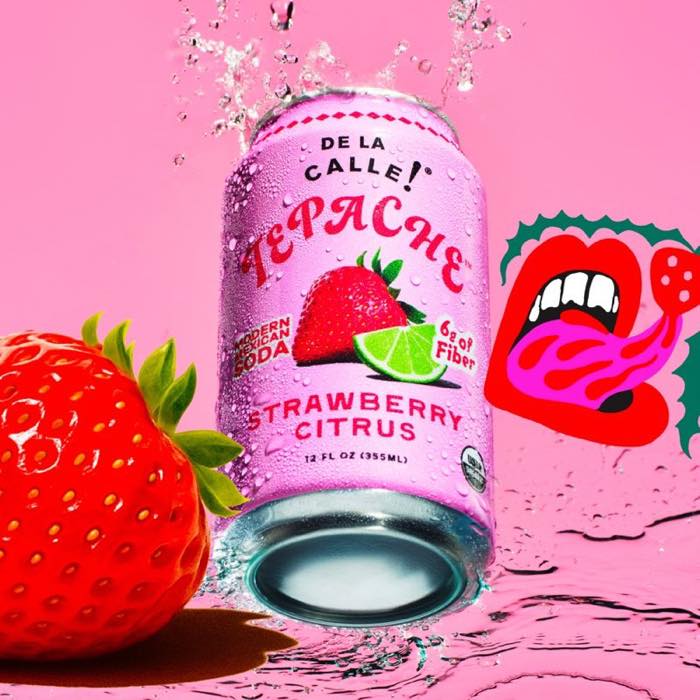
If you want something further from a cola, De La Calle makes tepache, the traditional Mexican drink brewed from fermented pineapple. It is naturally fermented, low in sugar, and gut-friendly by way of the ferment rather than added fiber, with bright flavors like Mango Chili and Tamarind Guava. The Latino-founded brand has become the modern face of the category.
Best for adventurous drinkers who like the funk of fermentation and want a break from the usual fruit sodas.
6. Halfday
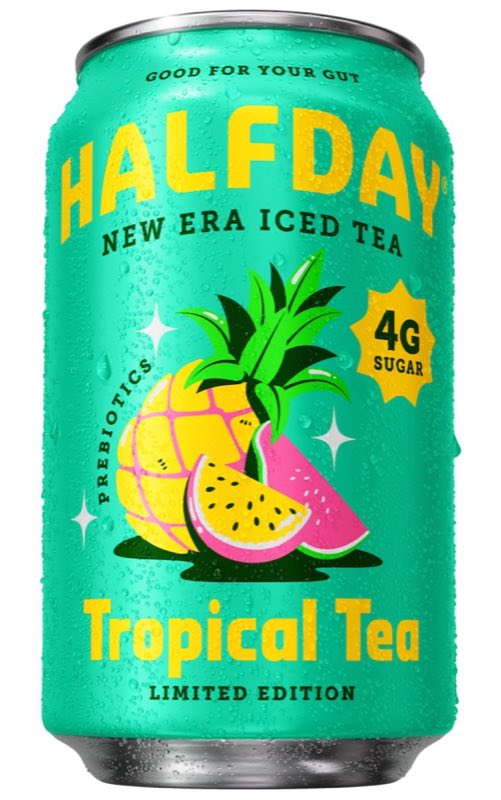
Halfday answers a question the rest of this list skips: what if you want the fiber but you are a tea person, not a soda person? It makes prebiotic iced tea with about 5 grams of fiber and low sugar, in Arnold-Palmer-style flavors like Half & Half and Peach.
Best for iced-tea loyalists who still want the gut-health upside of a prebiotic can.
7. Health-Ade
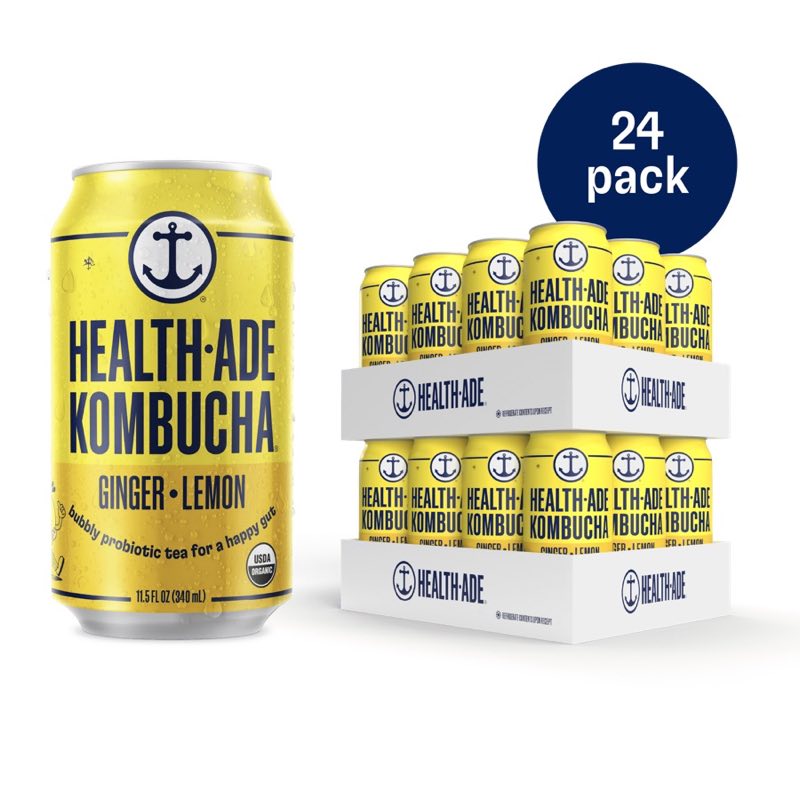
Health-Ade has been a kombucha mainstay for years, and its SunSip line brings that fermentation pedigree into the prebiotic-soda aisle. SunSip uses agave-inulin prebiotic fiber, adds vitamins and minerals, and keeps sugar to 6 grams or less per can, with soda-shop flavors like Cherry Cola and Root Beer.
Best for fermentation fans who want a trusted kombucha brand and a prebiotic soda from the same shelf.
8. Aura Bora
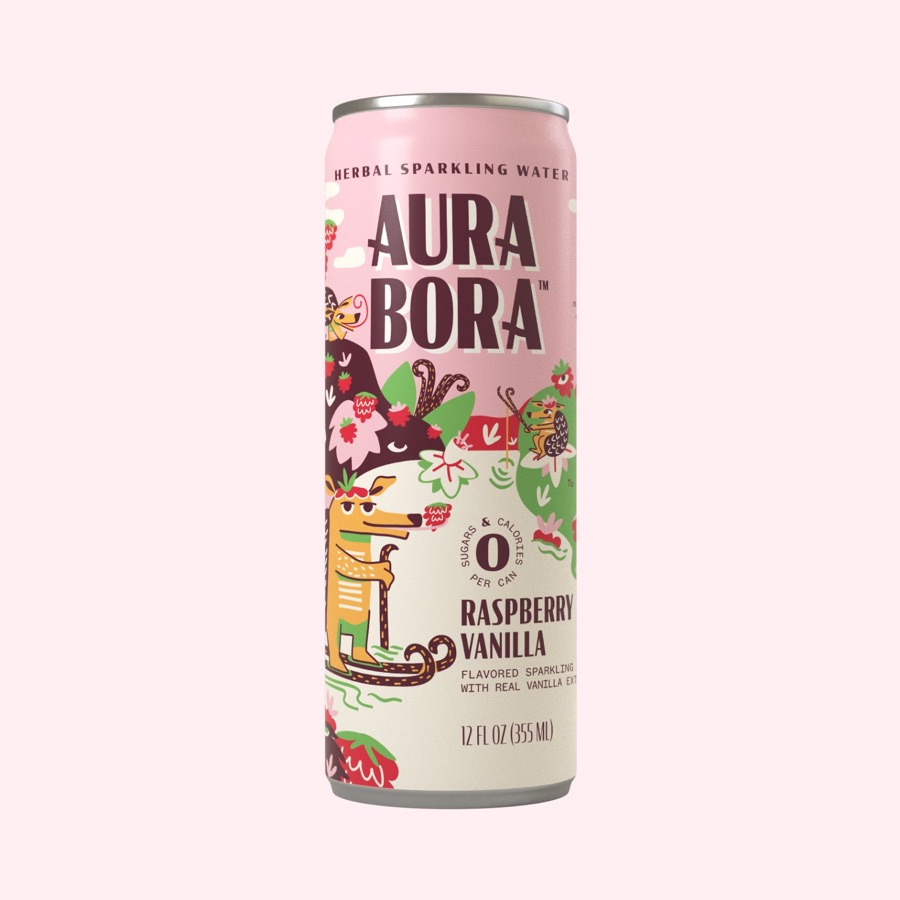
Aura Bora is the pick for people who want zero sugar and flavors with a little imagination. It is a herbal sparkling water made with real herbs, fruits, and flowers, in combinations like Lavender Cucumber and Cactus Rose, with no sugar and about 5 calories a can. If you are drifting toward plain bubbles anyway, compare it against our best sparkling water brands list.
Best for zero-sugar drinkers who find most seltzer boring and want something more grown-up.
9. Bloom Pop
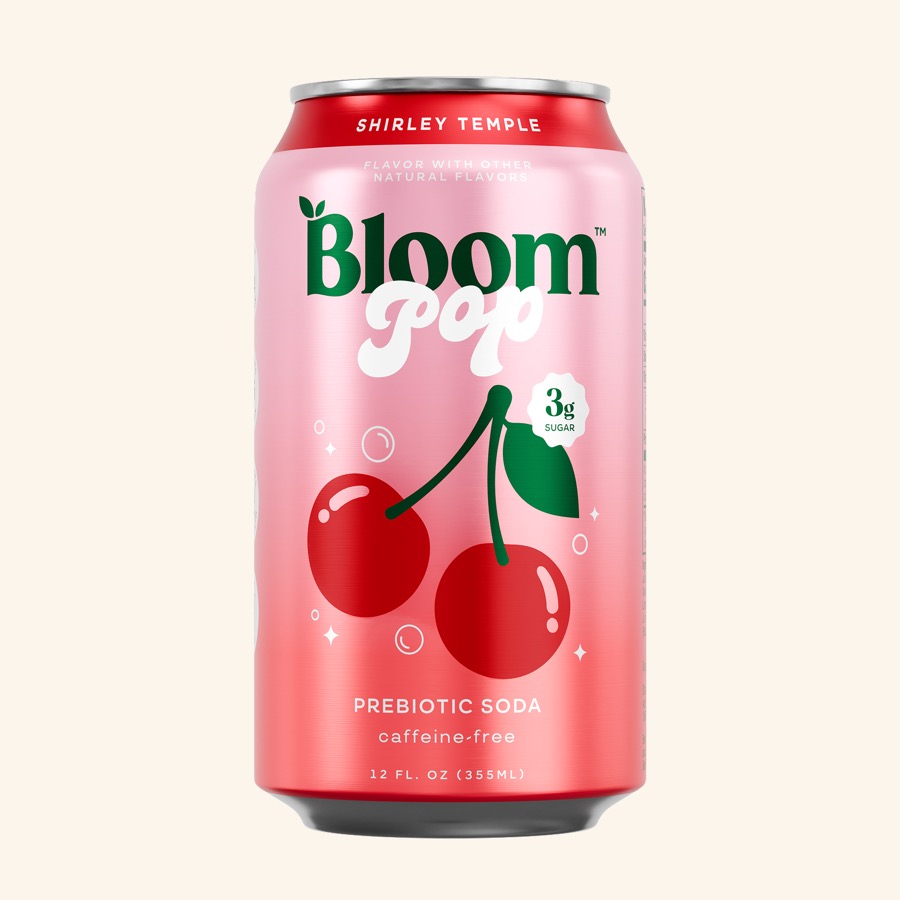
Bloom Pop comes from Bloom Nutrition, the brand behind Bloom Sparkling Energy. It uses PreticX, a patented XOS prebiotic that works at a low dose, and each can has 20 calories, 3 to 4 grams of sugar, and no artificial sweeteners. The flavors lean nostalgic, with Shirley Temple, Classic Orange, and Strawberry Cream. If it is the caffeine and energy angle you are after, Bloom's sparkling energy line and our best energy drink brands roundup are the better starting point.
Best for shoppers who want low sugar wrapped in throwback soda-fountain flavors.
10. Sunwink

Sunwink plays a level up from prebiotics alone. It makes plant-based herbal tonics and sparkling drinks built around superfoods and adaptogens, with no added sugar, for people who treat their drink as a small wellness ritual rather than a soda swap.
Best for the herbal and adaptogen crowd who want function beyond fiber.
11. Nixie
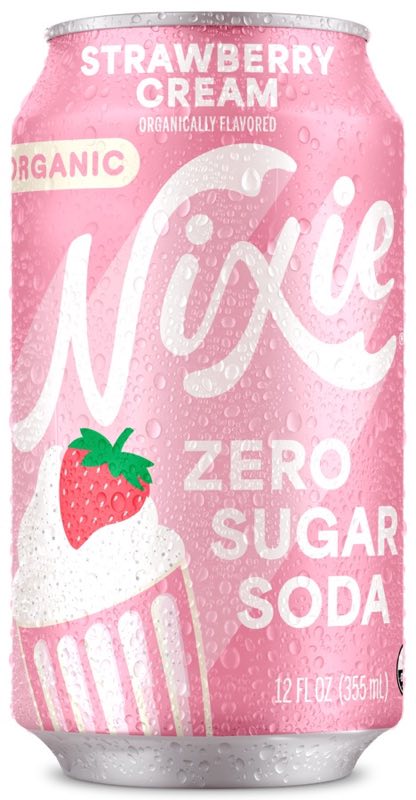
Nixie keeps it as simple as this category gets. It is a USDA organic sparkling water with zero sugar, zero calories, and no sweeteners or vague "natural flavors," just water, bubbles, and organic essence. It is the most affordable, lowest-commitment way to step away from sweetened soda entirely.
Best for budget-minded shoppers who want the cleanest possible label.
12. Popwell
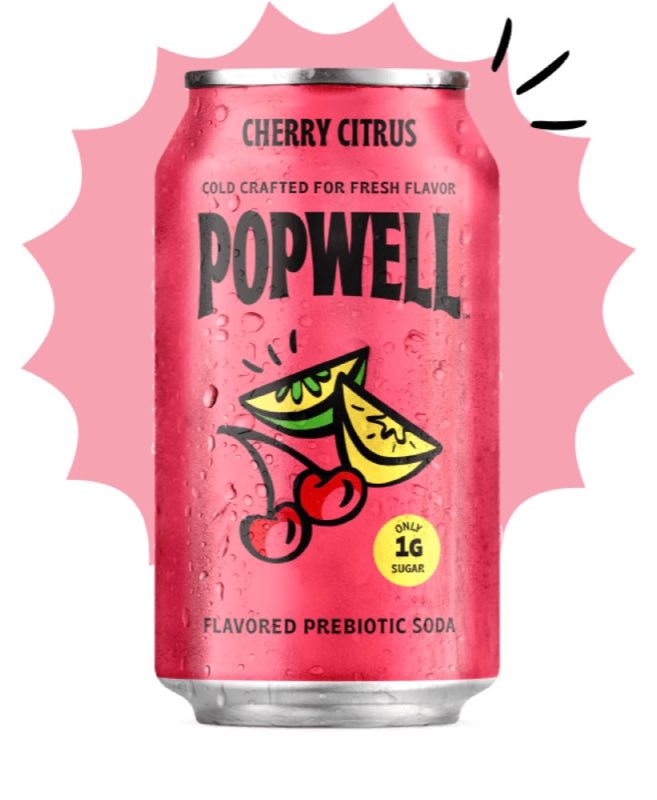
Popwell chases one number harder than anyone: sugar. Most of its cans land around 1 gram, the lowest in the tested set, with about 35 calories and plant-based prebiotic fiber, and a few flavors add 40mg of caffeine for a light lift.
Best for shoppers watching sugar closely, or anyone who wants a gentle caffeine kick in their prebiotic can.
How to choose a Poppi alternative
Start with what you actually want out of the can. If your goal is the most fiber for your money, Olipop is the clear pick. If stevia is your dealbreaker, go with Culture Pop or Mayawell, which lean on real juice and agave instead. Want probiotics in the mix too? Wildwonder and Health-Ade both cover that.
If you are drifting away from sweet drinks altogether, Aura Bora and Nixie are basically flavored sparkling water with zero sugar, and if you like a can with real personality, the same instinct that draws people to brands like Liquid Death applies here. For the lowest sugar, Popwell wins, and for a caffeine kick, Popwell or an energy option makes more sense than a straight prebiotic soda. Craving something genuinely different, like a fermented pineapple tepache? That is De La Calle. And if you are restocking the whole pantry with better-for-you swaps, it is worth browsing brands like Magic Spoon for the cereal shelf while you are at it.
Frequently asked questions
Is Poppi actually good for your gut?
Poppi contains about 2 grams of prebiotic fiber per can, which is a real but modest amount. In 2025 the brand settled an $8.9 million class action over its "gut healthy" marketing, with the suit arguing you would need several cans a day to see a meaningful benefit. It is a fine soda swap, just not a fiber supplement.
Which prebiotic soda has the most fiber?
Olipop leads the mainstream pack with roughly 6 to 9 grams of prebiotic fiber per can, compared with about 2 grams in Poppi. Wildwonder and Halfday sit in the middle at around 5 grams, while brands like Bloom Pop use low-dose patented fibers that work at smaller amounts.
Are prebiotic sodas sweetened with stevia?
Many are, and that is the taste complaint people mention most. If you want to skip stevia entirely, Culture Pop uses real fruit juice, Mayawell uses organic agave, and Bloom Pop avoids artificial sweeteners. Always check the label, since formulas vary by flavor.
What is the difference between prebiotic and probiotic soda?
Prebiotics are fibers that feed the good bacteria already in your gut, which is what Olipop, Poppi, and Mayawell focus on. Probiotics are live cultures you add, which is Culture Pop's approach. Wildwonder and Health-Ade's SunSip include both.
Which brand tastes most like real soda?
Taste is personal, but Olipop and Bloom Pop are the ones most often praised for nailing classic soda flavors like root beer and cola, rather than tasting like sparkling juice. Culture Pop wins fans for its clean, juice-forward taste with no artificial-sweetener aftertaste.
Are these sodas low in sugar?
Most sit well under regular soda, usually between 1 and 6 grams per can. Popwell is the lowest at around 1 gram, Aura Bora and Nixie have none, and the prebiotic sodas generally land in the 2 to 5 gram range.