
CRM help desk software in 30 seconds.
- It ties every order, contact, and past ticket to the customer so your reps see the whole person in one screen, instead of toggling between a CRM tab and a help desk tab.
- Agents jump between 4 and 10 systems to solve one problem, and resolution times run 43% longer without a unified view. The combined record fixes that for email and chat. It still leaves the phone blind.
- Built for $10M-$100M Shopify brands running a paid helpdesk with a visible phone number, where "where's my order" calls keep landing on a team that can't see the order fast enough.
Your rep has the CRM open. The customer's full order history is right there on screen. And the rep still says, "can you give me your order number one more time?" Not because the rep is bad. Because the call came in on a phone line that can't see anything the help desk can.
That gap is the whole reason "crm help desk software" gets searched. If you run customer experience at a $10M-$100M Shopify brand, or you're the founder still getting CC'd on the angry ones, you already know the toggling tax. This post covers what a CRM help desk actually unifies, the six tools worth knowing in 2026 with real pricing, and the one channel the whole category keeps forgetting.
A quick note before the tool list. We run AI phone support for 50+ Shopify brands, so I spend most of my week inside this exact problem. If your phone line still can't see what your helpdesk can, book a 30-min call and we'll map where your calls are leaking.
What CRM help desk software actually does
Strip the marketing off it and the idea is simple. A CRM stores who the customer is: their orders, their lifetime value, their contact details, what they bought last time. A help desk stores what the customer is asking right now: the open ticket, the email thread, the chat. CRM help desk software puts those two things on one screen.
The payoff is that the rep sees the whole customer at the top of the ticket, not in a second tab they have to go dig through. When a ticket opens, the order history, past conversations, and subscription status load right there. No alt-tab, no copy-pasting an order number from one system into another.
There are two ways brands get there:
- All-in-one platform: one tool that is both the CRM and the help desk (HubSpot Service Hub, Zoho Desk, Zendesk). The record and the ticket live in the same database, so there's nothing to sync.
- CRM plus help desk integration: you keep your CRM and connect it to a separate help desk (a lot of Shopify brands effectively treat Shopify as the customer database and bolt Gorgias on top). The help desk pulls the record in through an integration.
Both get you the same thing on a good day: one screen, full context. The difference is whether you're maintaining one system or keeping two in sync. We'll come back to that when we talk pricing.
Why your reps need the unified record
Here's the part that justifies the spend. When the record is scattered, agents pay a tax on every single ticket.
Support agents jump between 4 and 10 different systems just to troubleshoot one problem, according to Zendesk. Each jump is a few seconds of search, a re-read, a context reset. It adds up fast. The University of California, Irvine found it takes an average of 23 minutes to fully refocus after an interruption, and app-switching is a tiny interruption you repeat all day.
Resolution times run 43% longer when agents don't have a unified view of the customer. That's the number that should bother you, because slow resolution is the thing your customers actually feel. And the data backs up how common the problem is: only 22% of business leaders say their teams share data well, per Zendesk's CX Trends report.
It's not just a support problem either. Employees switch between 10 or more apps a day and lose roughly 3.6 hours a week to it, per Asana's Anatomy of Work index. Information silos cost organizations around $7.8 million a year in lost productivity, with workers wasting about 12 hours a week hunting for information across disconnected systems.
So the case for a CRM help desk is real. Pull the record into the ticket, and your CS team stops answering the same questions over and over from a standing start. They start every interaction already knowing who they're talking to.
The channel that needs the record most is the phone
Now the gap. Every benefit above is sold for the email and chat agent. Almost nobody extends the logic to the phone.
Think about who calls. The customer who picks up the phone is usually the impatient one, or the older one, or the one whose problem felt too urgent to type. They're live on the line. There's no "we'll get back to you in 24 hours." And in most stacks, the moment that call connects, the unified record you paid for goes dark.
I read real call logs from Shopify brands to write this, and the pattern shows up constantly: the rep has the CRM open, the customer's whole order history on screen, and they still ask the caller to repeat the order number, because the phone system couldn't hand them the context the help desk already had. The unified record stopped at the channels that don't talk.
That's why a unified record is not optional for phone, it's the precondition for ever automating it. An AI phone agent can only resolve a "where's my order" call if it can read the order status, the return policy, and the past tickets in real time, mid-call. No record, no resolution. WISMO calls are 30-40% of support volume, and 50% at peak, per Salesforce, so the phone version of that question is a huge chunk of what your line actually rings about.
Get the record into the call and the same routine questions your reps handle by typing get answered by voice, instantly, at 2 a.m. when nobody's staffed. It's also the fastest way to reduce ticket volume, because the calls never become tickets in the first place. That's the move the rest of this category hasn't made yet.
"My customers also feel like it's a normal person. They feel like they can communicate if they have questions."
Claudia Droge, TechCraft Studio
6 CRM and help desk tools worth knowing in 2026
The combined-tool market is crowded, so here are six worth your time, framed by how well they unify the record and what they do about the phone. Ringly is row one because it's the only one on the list that's built for the call itself, not a CRM or a help desk you'd rip out.
| Tool | Model | Pricing from | Best for | Handles phone? |
|---|---|---|---|---|
| Ringly.io | AI phone agent on top of your stack | $349/mo | Shopify brands losing calls | Yes, that's the point |
| Zoho Desk | CRM-native helpdesk | $14/agent/mo | Zoho ecosystem teams | Basic |
| HubSpot Service Hub | CRM-centric platform | $19/seat/mo | HubSpot marketing/sales users | Add-on |
| Freshdesk | Helpdesk + light CRM | $19/agent/mo | Cost-conscious teams | Separate product |
| Zendesk | Helpdesk + CRM capabilities | $55/agent/mo | Enterprise omnichannel | Add-on |
| Gorgias | Ecommerce helpdesk | $10/mo (ticket-based) | Shopify order context | Its own problem |
1. Ringly.io
Best for: Shopify brands that want the routine phone calls answered with full order context, without hiring a phone team. Ringly is AI phone support for Shopify brands. It isn't a CRM and it isn't a help desk, so it doesn't replace what you already run. It sits in front of your help desk and reads the same unified record on the live call.
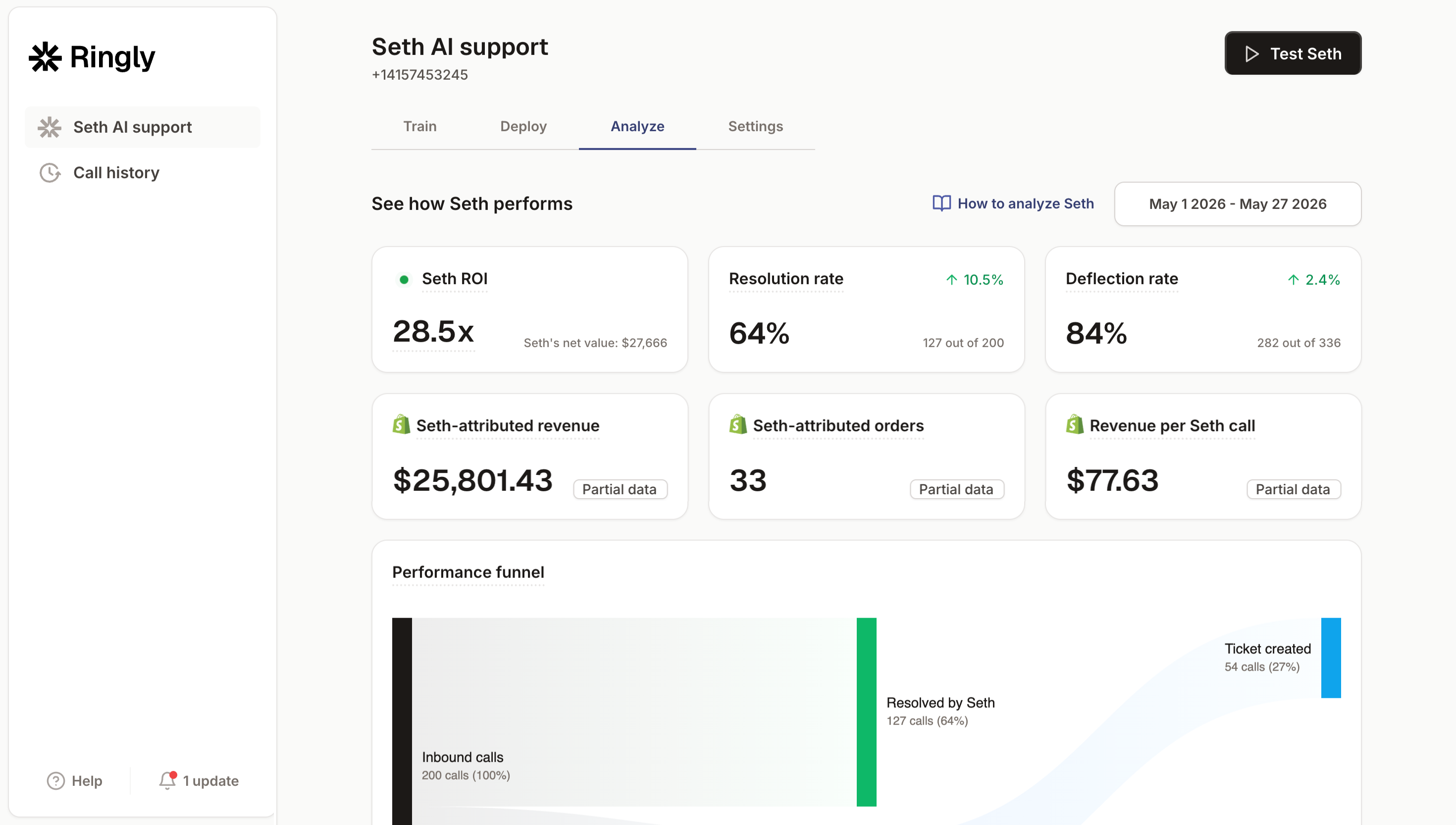
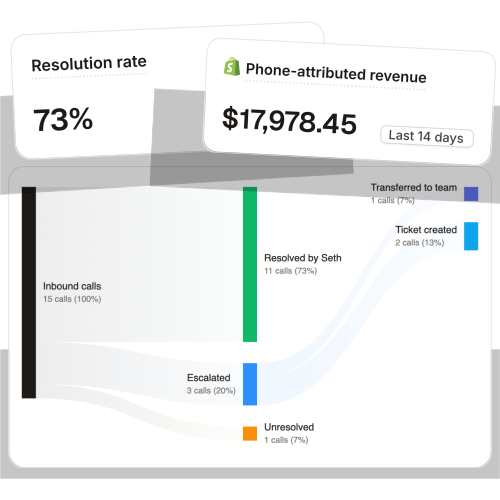
The AI answers inbound calls 24/7. It finds orders in your Shopify store, processes returns and exchanges, answers product questions from your knowledge base, and rescues abandoned carts via outbound follow-up. Calls that need a human escalate cleanly to Gorgias, Richpanel, Reamaze, or whatever helpdesk you already run. Across 50+ brands, the AI resolves 73% of calls autonomously at roughly $0.42 per resolved call.
Pricing
| Plan | Price | Included |
|---|---|---|
| Grow | $349/mo | 1,000 minutes (~500 calls) |
| Pro | $799/mo | 2,500 minutes (~1,250 calls) |
| Enterprise | Custom | High volume, done-for-you build |
What works
- Reads the live record: pulls order status, returns, and KB answers in real time, mid-call, so the caller never repeats their order number.
- Sits in front of your stack: keeps your current phone number, helpdesk, and workflows. It adds the phone layer, it doesn't replace your CRM.
- Resolves, not just deflects: 73% of calls handled end to end, $0.42 per resolved call against $7-$16 for a human BPO.
- 65% resolution guarantee: if it resolves under 65% in 90 days, you get the last 3 months back.
What doesn't
- Phone only: it's not your email and chat helpdesk. You still run Gorgias or Zendesk for those.
- Needs a clean record: it's only as good as the order data and KB it reads, so the unified-record work still matters.
Why it ranks first: it's the only tool here that solves the phone gap every other one leaves open. The unified record finally reaches the call.
2. Zoho Desk
Best for: teams already living in the Zoho ecosystem who want the tightest CRM-to-ticket tie-in.

Zoho Desk is a help desk that's built to pair with Zoho CRM, so the customer record loads at the top of every ticket with two-way sync. If you've got other Zoho gaps to fill, it's a natural fit.
Pricing: roughly $14 to $50 per user per month, with a free tier for up to 3 agents. One of the cheaper serious options.
What works
- Deep Zoho CRM unification: the record and the ticket genuinely feel like one system.
- Multichannel aggregation: email, chat, social, and tickets in one tab.
- Low entry cost: the free tier and cheap paid plans make it easy to start.
What doesn't
- Best inside Zoho: the value drops if your CRM lives anywhere else.
- Phone is basic: voice is a feature, not a strength, and there's no real-time AI resolution.
Why it ranks second: excellent unified record if your world is already Zoho. Less so if it isn't.
3. HubSpot Service Hub
Best for: brands already running HubSpot for marketing and sales who want service on the same record.
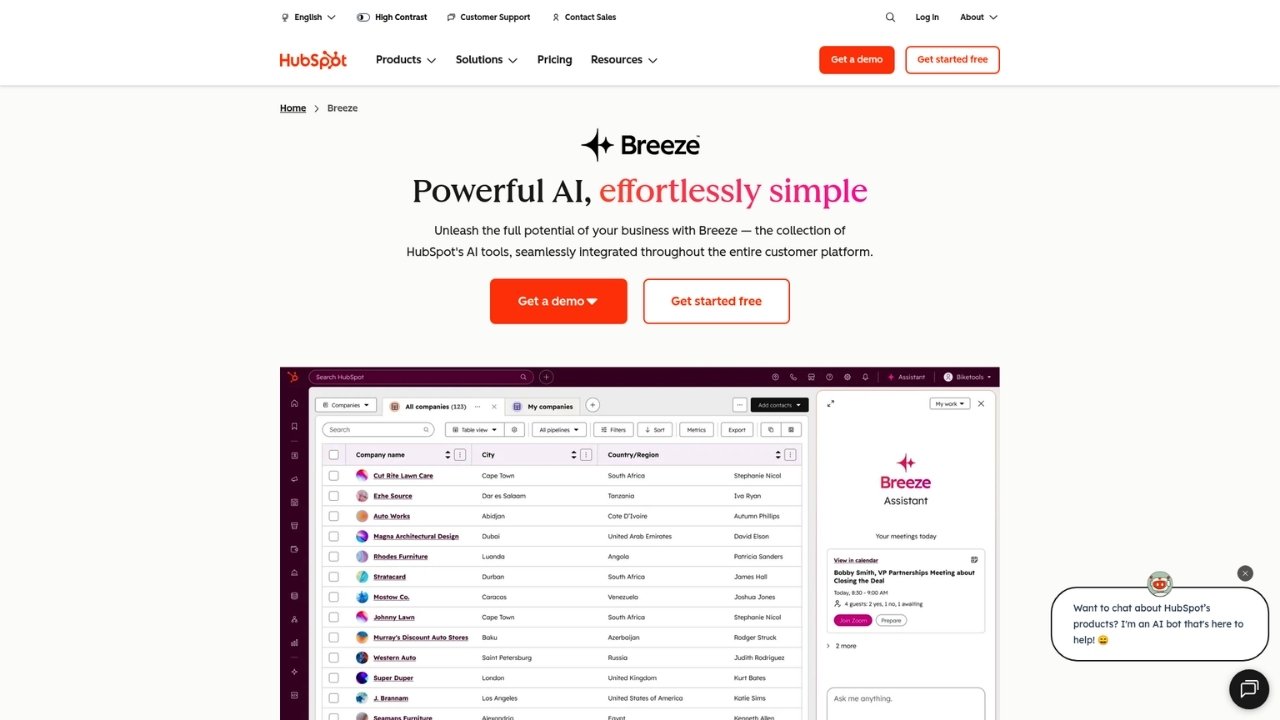
HubSpot Service Hub is CRM-centric by design, the CRM is the spine, and ticketing, knowledge base, and feedback all hang off one customer profile. That makes it one of the cleaner all-in-one unifications, if you're not better served elsewhere.
Pricing: Starter $19, Pro $59, and Scale $99 per seat per month, with a free tier for 2 users.
What works
- One genuine data layer: marketing, sales, and service share the same record, no sync gymnastics.
- Strong reporting: the analytics are a real reason teams pick it.
- Scales with you: it grows into a full platform if you want it to.
What doesn't
- Gets pricey: per-seat costs climb fast as the team grows.
- Weaker on Shopify order actions: a Shopify-native helpdesk does order edits better, and phone is an add-on.
Why it ranks third: a real unified record, best value if HubSpot is already your hub.
4. Freshdesk
Best for: cost-conscious teams that want solid ticketing with light CRM features.
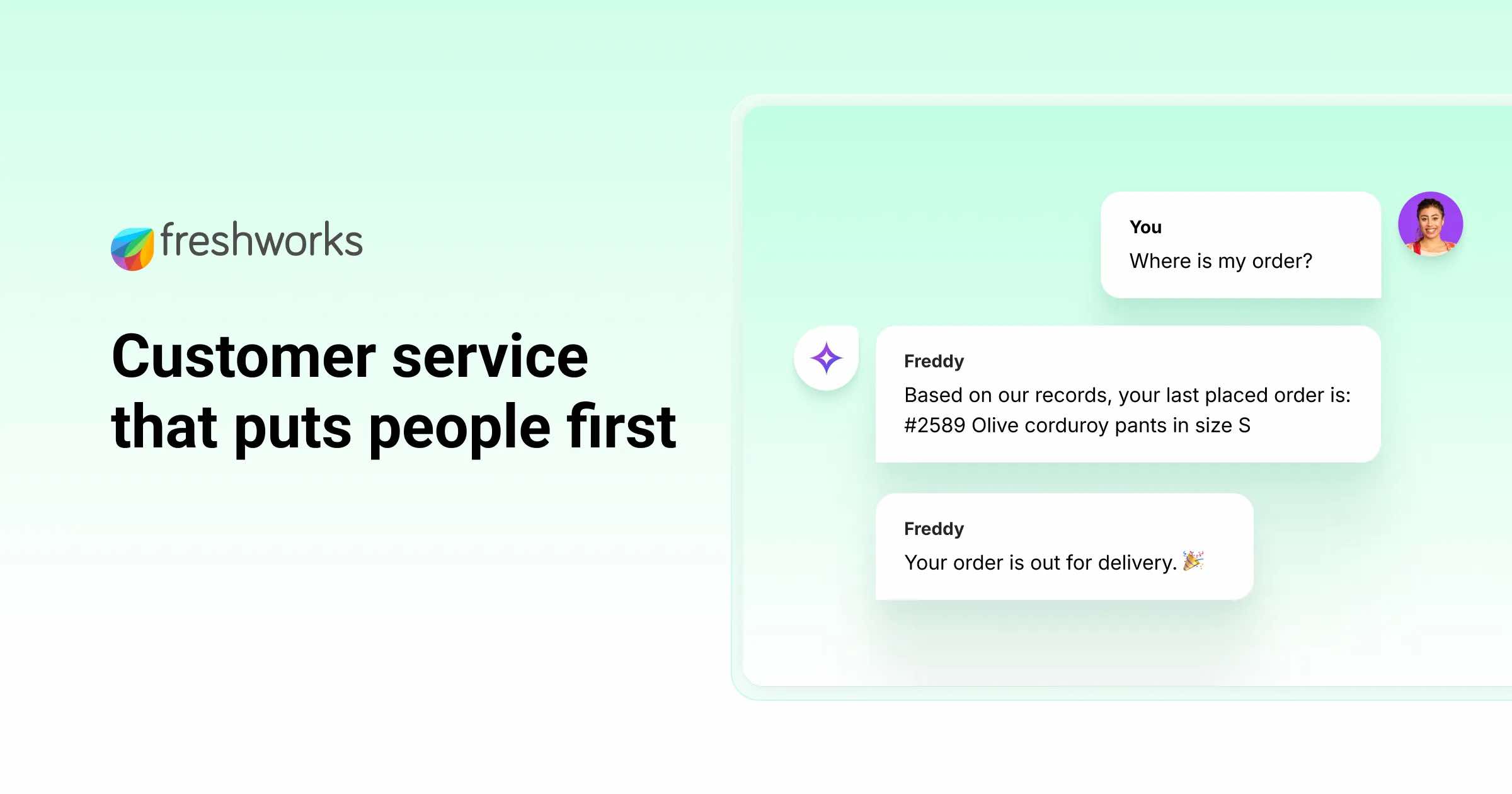
Freshdesk is a help desk first, with enough CRM in it to keep basic customer context on the ticket. For a deeper record you lean on the Freshsales tie-in. It's the cheapest credible entry point, though plenty of brands eventually look at other options as they scale.
Pricing: free for 1-2 agents, then Growth $19, Pro $55, and Enterprise $89 per agent per month (billed annually).
What works
- Low cost: the free tier and $19 Growth plan undercut most of this list.
- Solid multichannel ticketing: covers the basics well.
- Decent automation: workflow rules without an enterprise price tag.
What doesn't
- Light CRM: the customer record is thinner than a real CRM unless you add Freshsales.
- Phone is separate: Freshcaller is its own product, not a unified phone layer.
Why it ranks fourth: the budget pick. You trade some record depth for a much smaller bill.
5. Zendesk
Best for: larger teams that want enterprise-grade omnichannel and will pay for it.
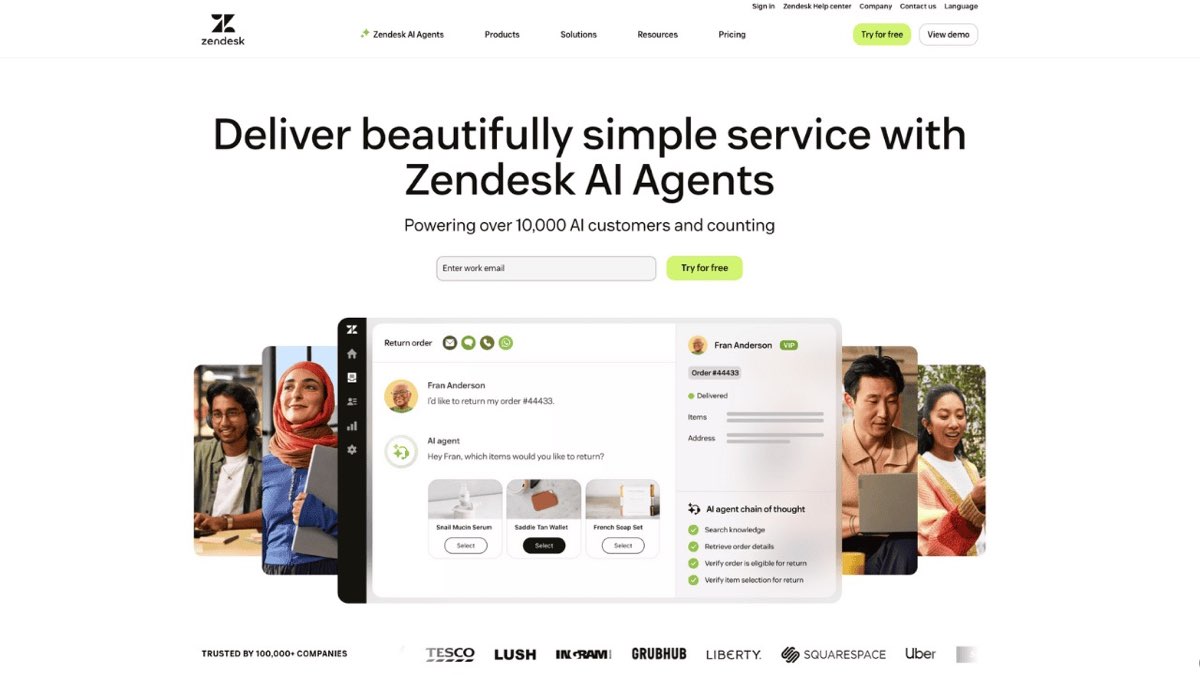
Zendesk pairs a mature help desk with CRM capabilities, and the unified record is real and deep. The catch is that nearly every advanced layer is a paid add-on, which sends some teams looking at leaner alternatives.
Pricing: Suite Team $55 and Suite Professional $115 per agent per month. AI Copilot, quality assurance, and workforce management are billed separately on top.
What works
- Mature and deep: handles complex, high-volume operations well.
- True omnichannel: every channel feeds one record.
- Strong reporting: enterprise-grade analytics.
What doesn't
- Priciest on the list: and the add-ons stack quickly.
- You pay per layer: the unified record is there, but every capability has a line item.
Why it ranks fifth: a genuinely unified record for big teams, at the highest cost of anyone here.
6. Gorgias
Best for: Shopify brands that want order and customer context inside every ticket.
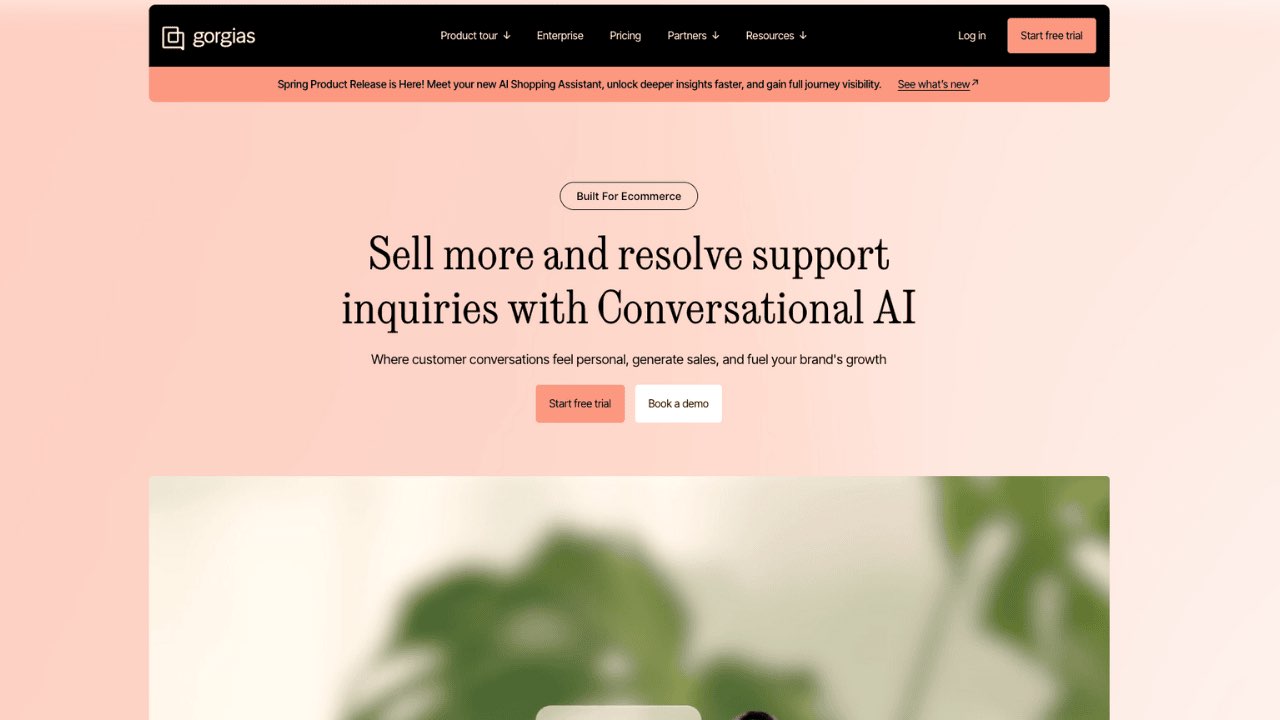
Gorgias is the ecommerce-only help desk, with the deepest Shopify integration of the group. Agents see the order in the ticket and can refund, edit, or discount without leaving. It's where a lot of DTC brands start before they compare it to other options.
Pricing: ticket-based, not per agent. Roughly $10/mo (Starter) up to about $900/mo (Advanced), plus Enterprise. AI Agent conversations are double-billed at around $0.90 to $1.00 each on top of the ticket, and overage runs $0.36 to $0.40 per ticket.
What works
- Best Shopify order context: the record-in-ticket is genuinely strong for ecommerce.
- Unlimited agents: most plans don't charge per seat.
- Built for DTC: refunds, edits, and discounts happen in the ticket.
What doesn't
- Per-ticket bill climbs: high volume gets expensive, and AI tickets get billed twice.
- Email and chat first: the order context is great for typed channels, the phone is still its own problem.
Why it ranks sixth: the best ecommerce help desk record, but it solves the typed channels, not the call. If you're shopping the category broadly, our roundup of Shopify helpdesk apps goes deeper on the email and chat side.
What this costs vs what it costs with a phone agent
The unified record makes your team faster. A phone agent that reads that record makes some of the team unnecessary on the routine calls. Here's the math most Shopify brands are sitting on.
Take a $50M brand running a 6-rep CS team:
| Line item | Today | With an AI phone agent |
|---|---|---|
| 6 reps × $4K loaded per rep | $24,000/mo | n/a |
| AI phone agent (~$5K/mo) | n/a | $5,000/mo |
| Net monthly CS spend | $24,000/mo | $5,000/mo |
| Monthly savings | n/a | $19,000/mo |
| Annual savings | n/a | $228,000/yr |
That's roughly 70% of repeatable calls, the order-status, returns, and product questions, routed to the AI. The other 30%, the genuinely complex calls, still go to your CS team, who now have time to actually solve them. WashCo, a Shopify brand we launched, recovered $22,664 in its first 7 days on the phone.
The point isn't that you fire the team. It's that the next hire you were about to make to cover the phone backlog doesn't have to happen, because the routine volume now answers itself.
Want to see where your own calls are leaking before you add anything? Book a 30-min call and we'll do the math live against your real volume.
How to choose
Most of this decision comes down to two questions: where does your customer record already live, and what are you doing about the phone.
- Choose an all-in-one (HubSpot, Zoho Desk, Zendesk) if your record is fragmented and you want one system to be both CRM and help desk. Less sync, one bill, one login.
- Choose CRM plus help desk integration (Shopify + Gorgias) if you're a Shopify brand and your real customer database is already Shopify. A Shopify-native helpdesk gives you better order actions than a general-purpose CRM ever will.
- Pick per-agent pricing (Zoho, HubSpot, Freshdesk, Zendesk) if your ticket volume is high relative to your team size. Pick per-ticket (Gorgias) if you have a big team and spiky volume, but watch the AI double-billing.
- Add the phone layer regardless of which you pick. Whatever helpdesk holds your record, an AI phone agent reads that same record on the live call. The two decisions are separate. Your helpdesk handles typed channels, the phone agent handles the line.
The brands that get this right treat the unified record as the foundation and the phone as the channel they build on top of it. The brands that struggle buy a great help desk, give their typed-channel agents perfect context, and leave the phone line ringing into a voicemail nobody returns.
Frequently asked questions
What is CRM help desk software? It's software that connects your customer records (orders, contacts, history) to your support tickets so agents see the full customer in one screen. Some tools are all-in-one platforms that are both CRM and help desk; others are a help desk that integrates with a separate CRM. The goal either way is one unified record per customer.
Should I get an all-in-one platform or integrate my CRM with my help desk? If your record is scattered and you want one system, an all-in-one like HubSpot or Zendesk keeps everything in one database. If you're a Shopify brand, your customer data already lives in Shopify, so integrating it with a Shopify-native helpdesk like Gorgias usually beats migrating to a general-purpose CRM.
Is per-agent or per-ticket pricing cheaper? It depends on your ratio. Per-agent (Zoho, HubSpot, Freshdesk, Zendesk) is cheaper when ticket volume is high relative to a small team. Per-ticket (Gorgias) can be cheaper for big teams with moderate volume, but watch for AI conversations being billed on top of the base ticket.
Does CRM help desk software handle phone calls? Most of it doesn't, not really. The unified record is built for email and chat agents, and phone is usually a basic feature or a separate add-on. To actually resolve calls you need an AI phone agent that reads the same record live on the line, which is the layer most stacks are missing.
Does Ringly replace my CRM or help desk? No. Ringly is the AI phone layer that sits in front of your existing stack. You keep your CRM, your helpdesk, your phone number, and your workflows. It reads the same record on the call and escalates anything complex to your team.
How fast can I add an AI phone agent on top of my helpdesk? Fast. Ringly is live in under an hour for most brands, with a 14-day Launch Sprint for the more involved builds. You add your store, your docs, and your knowledge base, and the AI starts reading the record on live calls.
Talk to us

If you run a $10M-$100M Shopify brand and your phone line still can't see what your helpdesk can, a 30-min call is the fastest way to close that gap. We'll look at your real call volume, show you what's leaking after hours, and scope what it takes to get the routine calls answered with full order context.
The 3-layer guarantee.
- Live in 14 days or it's free until launched.
- 65% resolution in 90 days or we refund the last 3 months of subscription fees.
- We keep working free until we hit 65%.
Ruben (Ringly co-founder) takes these calls personally.