The receipts (2025)
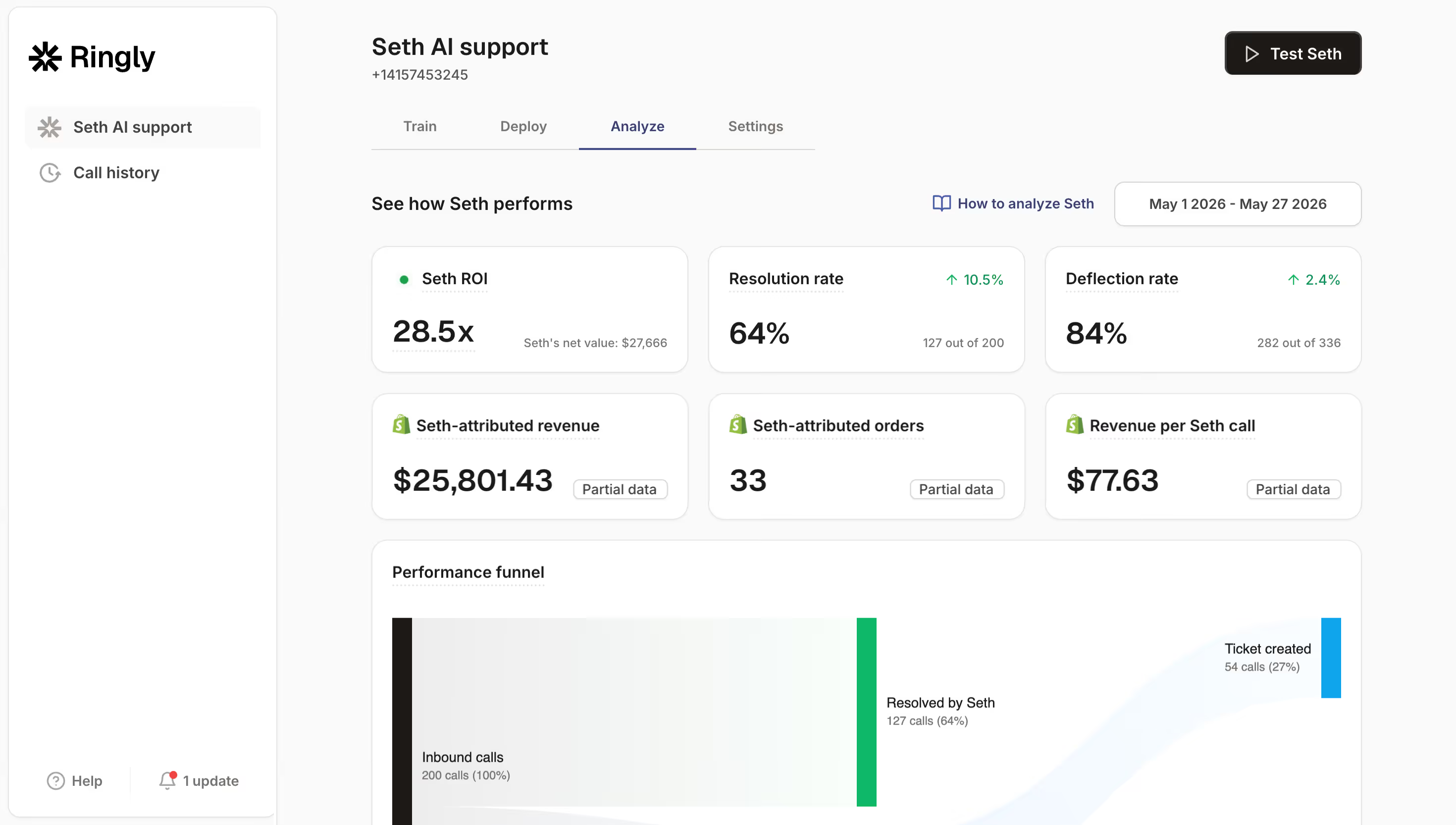
- 88% of inbound calls handled without a human getting on.
- 75% fully resolved on the first try by the AI agent.
- 24/7 coverage with no graveyard shift.
- Zero new support hires for a $1K-$10K-AOV catalog.
The 13-point gap is calls where the agent handled the conversation cleanly but the customer needed a follow-up later. The agent did its part and routed cleanly when it didn't know.
Why phone matters for a high-ticket fabrication catalog
Selling 3D printers, laser cutters, CNC mills, and scanners means every order is a real conversation. Will this fit my workspace? Is the warranty 1 year or 2? When does the laser need a new lens? Can it ship for free? How fast is your tech support?
A lot of these orders are over $1,000. Some over $10K. Buyers picking up an $11,000 laser cutter expect a phone conversation before checkout. Sending those questions to email loses the ones who want to talk first. Hiring a phone-support team is too early for a 3-person company. The middle ground is a phone agent that already knows every spec.
What happens when a buyer calls
A buyer calls and asks if a Flashforge model fits their workspace dimensions. The agent walks through the spec sheet and confirms. Another asks how long the AtomStack laser warranty runs and whether replacement lenses ship for free. Another asks compatibility between an UltiMaker and a specific filament type. The agent reads the answer off the actual product spec page.
Claudia loaded the agent with every product spec, return policy, and shipping rule. Then she set the escalation rule: if the question goes past basic compatibility, hand it to a human. The agent picked up TechCraft's voice from the email replies and product pages. Same voice, just over the phone now.
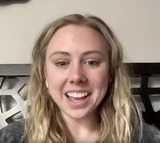
"My customers also feel like it's a normal person. They feel like they can communicate if they have questions." Claudia Droge, Founder, TechCraft Studio
It worked because nobody noticed. If a buyer hangs up wondering whether they spoke to a human, the brand is intact. If they hang up annoyed they got a robot, the brand bleeds.
TechCraft kept the same team in 2025. The phones got busier. Nobody had to answer them.
Want results like this for your store?
Book a free 30-minute build call with a founder. We map the 70-80% of calls eating your team, you hear an agent answer one live on a test line, and you leave with a 14-day launch plan whether or not we ever work together.
- Free $2,500 build, no setup fee, ever.
- Live in 14 days or you don't pay until it is.
- We tune it free until it resolves 65% of your calls, or you get your money back.
- $25 just for showing up, even if we turn out not to be a fit.