The receipts (last 90 days)
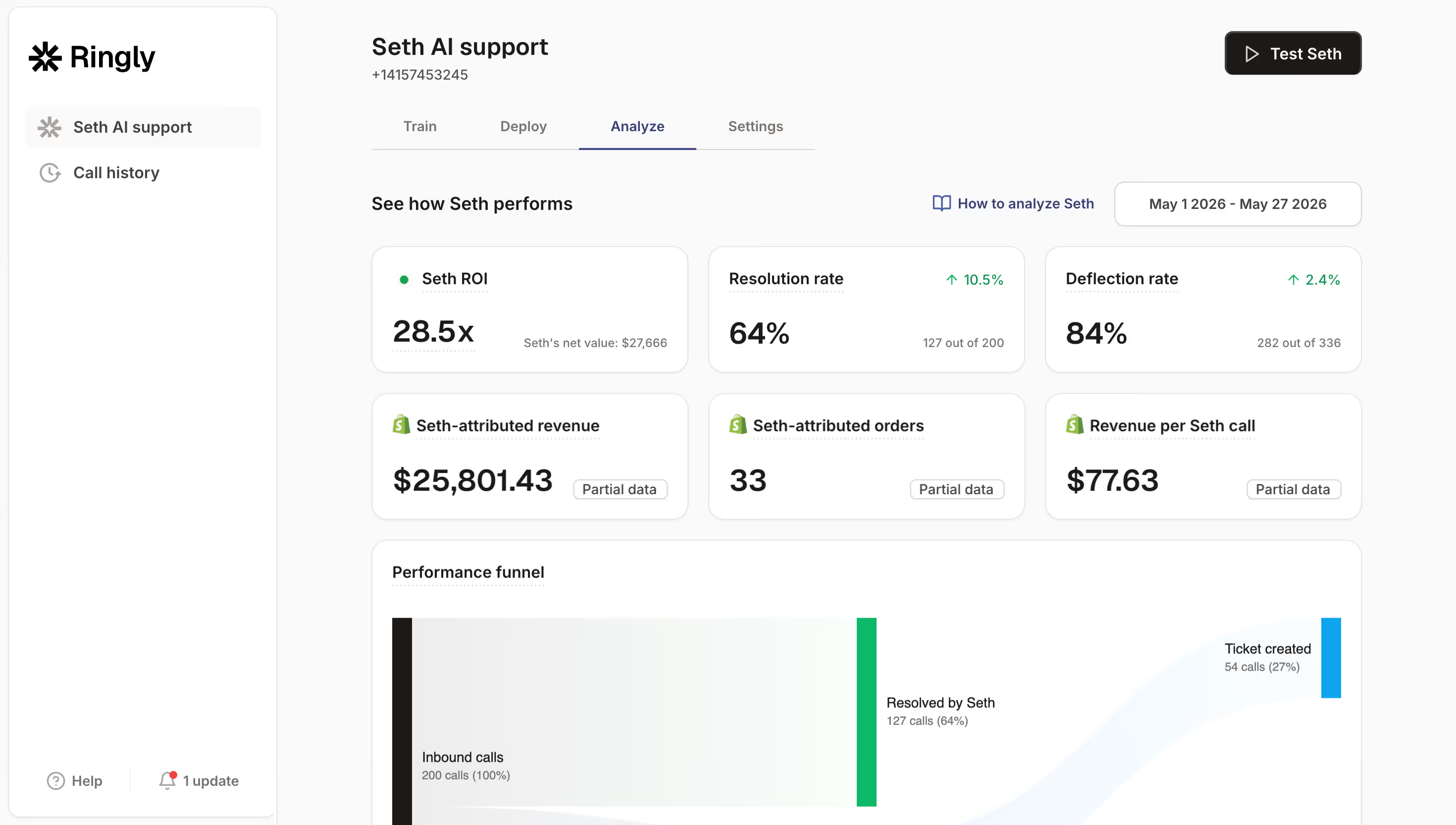
- 79% of inbound calls resolved end-to-end (2,670 of 3,381 calls). No human in the loop.
- 3,381 calls handled without paging the team.
- 870 unique callers reached the agent in the last 30 days alone.
- 67-second average call. Quick lookups, quick answers.
- 62.8 hours of phone support absorbed.
Four out of five callers got the answer they came for, no human in the loop.
Why phone matters for a peptide brand
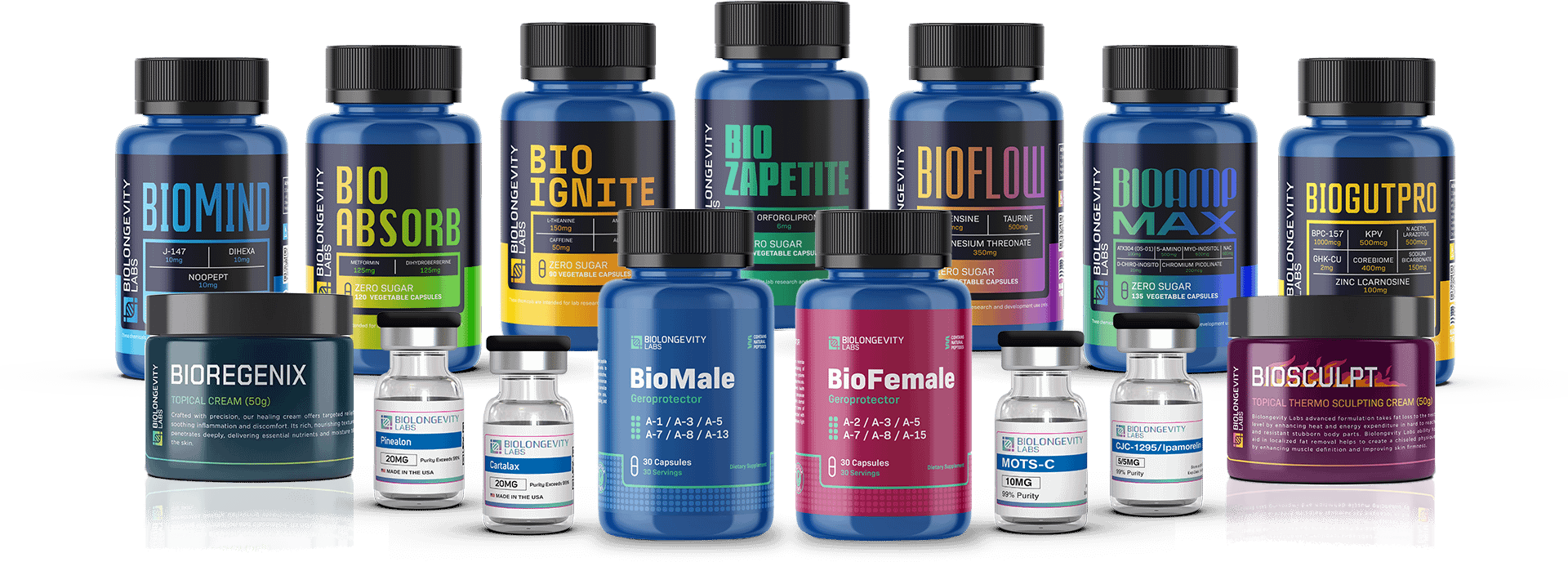
Researchers buying peptides want a fast answer. Is BPC-157 in stock today? When does my order arrive? What's on the purity certificate for this batch? Can you ship to my country? Is the GLOW Blend back in?
These don't resolve in an FAQ search. The buyer is mid-experiment, mid-protocol, mid-purchase. Email is too slow. A live phone team would mean dedicated coverage during research-lab hours, a hire BioLongevity didn't want to make for a focused 150-product catalog.
What happens when a researcher calls
A caller asks if BPC-157 is in stock today. The agent checks the catalog live, reads the result back, including the price. Another asks for the purity certificate on a specific lot of TB-500, and the agent pulls the COA reference. A third wants to know if the GLOW Blend ships internationally, and the agent reads back the regional shipping policy. When a SKU is sold out, the back-in-stock signup goes live without the team touching anything.
The agent answers in plain language, off the actual catalog and policy text. Josh's rule is the one that matters most: the agent has to admit when it doesn't know rather than guess. If a product name on the call doesn't match the catalog, the agent asks the caller to spell it before searching.
That conservative posture is part of why customers trust it. The 67-second average call duration is what you'd expect when most calls are quick lookups answered cleanly. Researchers ask, the agent answers, the call ends.
BioLongevity didn't add a customer-service hire in 2025. They pointed the phone line at an agent that already knew the catalog.
Want results like this for your store?
Book a free 30-minute build call with a founder. We map the 70-80% of calls eating your team, you hear an agent answer one live on a test line, and you leave with a 14-day launch plan whether or not we ever work together.
- Free $2,500 build, no setup fee, ever.
- Live in 14 days or you don't pay until it is.
- We tune it free until it resolves 65% of your calls, or you get your money back.
- $25 just for showing up, even if we turn out not to be a fit.