If you want Reformation's silhouettes with fibres that hold up longer, start with Sézane, DÔEN and Christy Dawn. Staud is the closest aesthetic match, since its founder ran Reformation's design floor. Faithfull and With Jéan cover holiday and going-out at lower prices. All twelve below are direct-to-consumer, and all publish something checkable about how their clothes are made.
Most lists of Reformation alternatives sort by price and stop there. That misses the actual reason people go looking. The complaint that comes up again and again in reviews is not the price tag, it is that the viscose pieces cling, lose their shape and age faster than a $200 dress should.
So this list is organised around fabric first. Which brands build collections on linen, cotton, silk and wool, which lean on deadstock, and which ones stay in the same synthetic-blend territory you might be trying to leave.
Why people look for Reformation alternatives
Reformation still makes beautiful clothes, and its linen and cotton styles get good reviews. The friction sits elsewhere.
Independent write-ups have pointed out that standard viscose is graded a "C" on Reformation's own A-to-E fibre scale, and that grade does not appear on the product page you are actually buying from. Reviewers who have owned the viscose pieces for a few seasons tend to say the same thing, that they do not last the way the linen ones do.
Add steady price creep and a fit that runs small through the waist, and you get a lot of people typing this search. None of that makes Reformation a bad brand. It just means the fibre on the label is worth checking before you buy, at Reformation and everywhere else.
How we picked these brands
- Aesthetic match first. Designed, feminine clothes, not another minimalist basics line. This is the part most lists get wrong.
- Fibre you can verify. The composition is on the product page, and the brand says something specific about where the fabric came from.
- A claim the brand will put its name to. A certification, a named factory partner, a published report. We attribute every sourcing claim to the brand rather than vouching for it ourselves.
- A usable price spread. The list works whether your ceiling is $150 or $500.
- Direct-to-consumer. The brand owns its own fit, sizing notes and returns, so what you read is what you get.
At a glance
| Brand | Best for | Price | Known for |
|---|---|---|---|
| Sézane | French tailoring that lasts | Mid to premium | B Corp certified since 2021 |
| DÔEN | Romantic prints in natural fibres | Premium | Runs its own resale program |
| Christy Dawn | Traceable fibre | Premium | Deadstock plus its own regenerative cotton project |
| Faithfull the Brand | Holiday and resort | Mid | B Corp, made with artisans in Bali |
| Réalisation Par | Silk slip dresses | Mid | Dresses made from 100% silk |
| Staud | Bolder colour, familiar shapes | Premium | Founded by Reformation's former fashion director |
| Whimsy + Row | Linen and cotton made in LA | Mid | Deadstock fabric, small batches |
| SIR the Label | Pared-back tailoring | Premium | Linen-led Australian separates |
| Spell | Boho prints and tiers | Mid | Filters for organic fibre and artisan-made |
| Farm Rio | Colour and print | Mid | Plants a tree per purchase |
| With Jéan | The going-out look for less | Budget to mid | Limited-run feminine dresses |
| Sabina Musayev | Weddings and events | Premium | Ruched and pleated occasion dresses |
1. Sézane
Sézane was founded in Paris in 2013 by Morgane Sézalory and is the closest thing on this list to a safe default. The cuts are French and structured rather than loose, and the knitwear and outerwear are what reviewers keep long-term.
The brand has been a certified B Corp since 2021, one of the first French fashion labels to certify, and runs a social program called DEMAIN that it started in 2018.
Best for the shopper who wants pieces to still look right in three years. Two honest notes: the trousers run long and narrow, and the size range stops at 1XL.
2. DÔEN
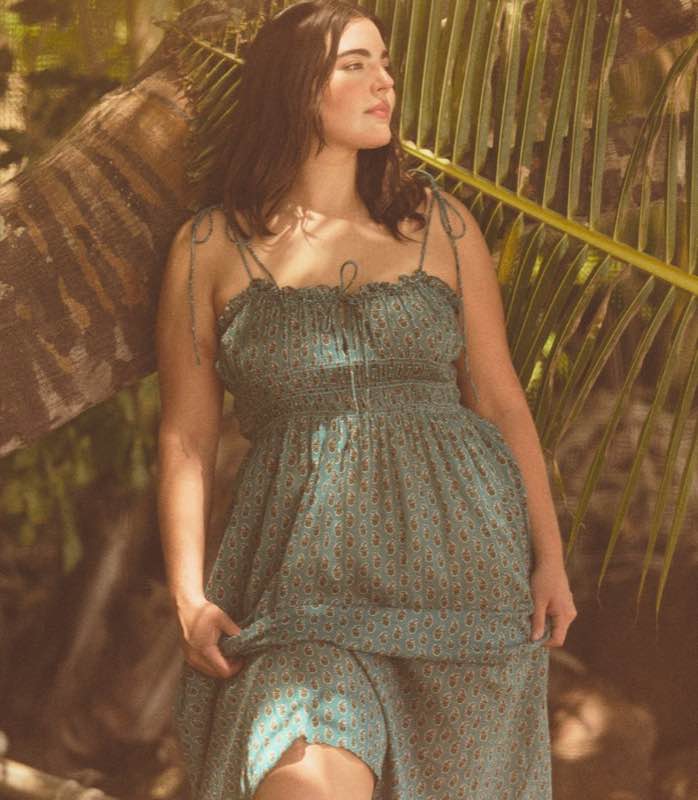
DÔEN was started in 2016 by sisters Margaret and Katherine Kleveland, and it is the brand people usually mean when they say they want something prettier than Reformation. Think prints, smocking, tiered skirts and coastal California romance.
Reviewers consistently note the absence of cheap synthetics, which is exactly the fix if viscose is what pushed you to look elsewhere. DÔEN also runs its own resale program, Hand Me DÔEN, where you send pieces back for store credit.
Best for the romantic shopper buying fewer, better dresses. It is the most expensive way onto this list, though resale value softens that.
3. Christy Dawn
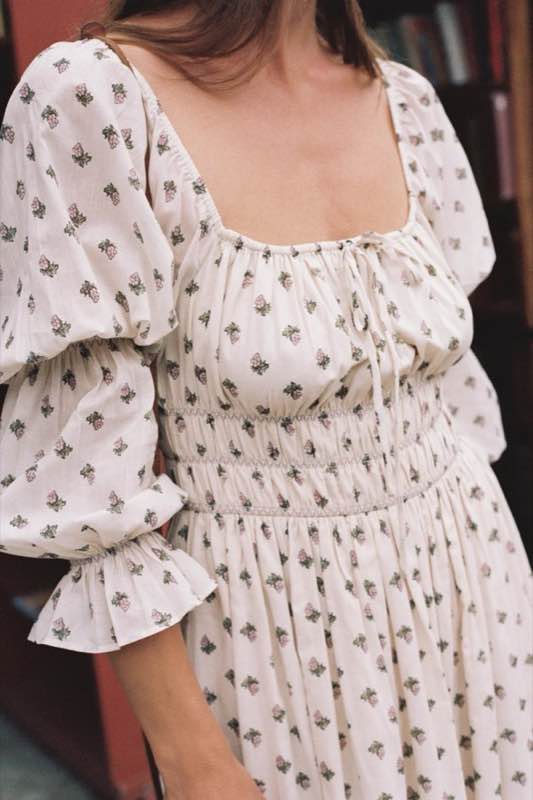
Christy Dawn started by sewing every piece from deadstock, the leftover fabric rolls larger houses do not use. Then it went further and began growing its own cotton with the Oshadi Collective in Erode, India, a project the brand says grew from four acres to more than a hundred.
In 2021 it launched a Land Stewardship Program that lets customers fund a plot of that farmland directly. If you want to trace a dress back to a field, this is the only brand here that offers it.
Best for the shopper who cares where the fibre came from. Expect vintage-leaning cuts, and expect popular prints to sell out.
4. Faithfull the Brand
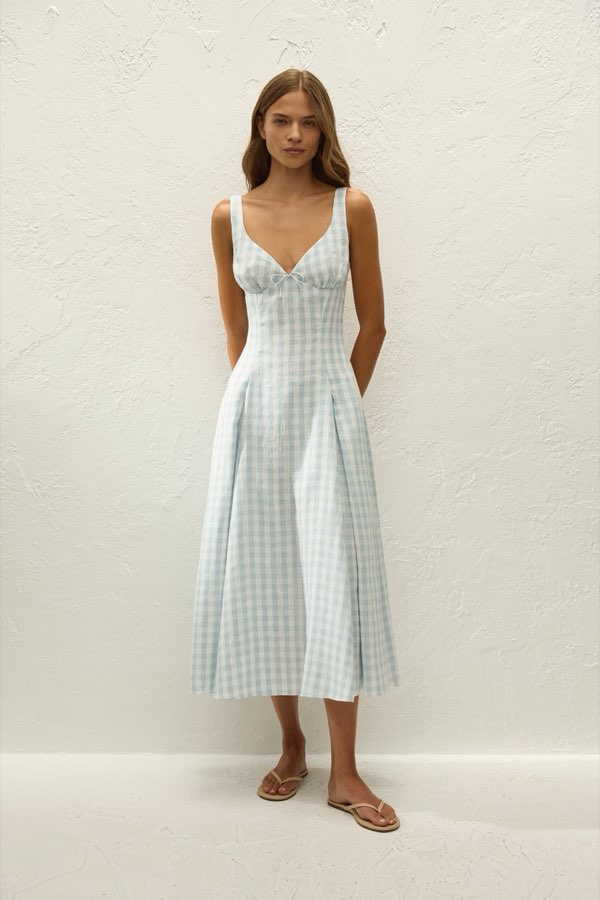
Faithfull the Brand has been making holiday clothes since 2012, founded by Sarah-Jane Abrahams and Helle Them-Enger. Linen sets, tie-front tops, easy midi dresses, the sort of thing that works from beach to dinner without a change.
It has been a certified B Corp since 2021, recertified at the end of 2024, and says it works with more than 1,000 artisans across Bali.
Best for a trip, a resort wedding or a hot summer. Less useful if you need cold-weather clothes, since the range leans warm-climate by design.
5. Réalisation Par
Réalisation Par is the Australian label behind the leopard-print Naomi, the slip skirt that got copied by half the high street. Founders Alexandra Spencer and Teale Talbot built the whole brand around bias-cut slips.
The relevant detail for anyone leaving Reformation over fabric: the brand says its dresses are made from 100% silk, produced in factories that specialise in it. A silk slip behaves completely differently to a viscose one over time.
Best for the slip-dress shopper. The prints are loud by design, so it is a taste call rather than a wardrobe staple.
6. Staud
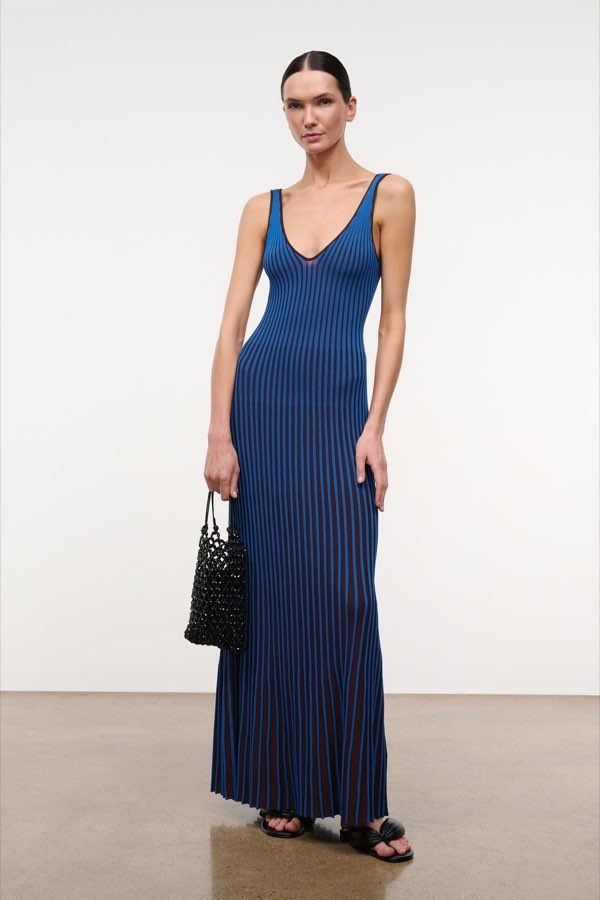
Staud is the closest aesthetic match here, and there is a reason. Sarah Staudinger launched it in 2015 with George Augusto after working her way up to fashion director at Reformation, so the silhouettes come from the same hand.
The difference is attitude. Staud runs bolder colour, stronger prints and quirkier detailing, plus an accessories line that made the brand famous well before the dresses did.
Best for someone who liked Reformation's shapes but found the palette too safe. Prices sit above Reformation, and the pieces read more designer than everyday.
7. Whimsy + Row
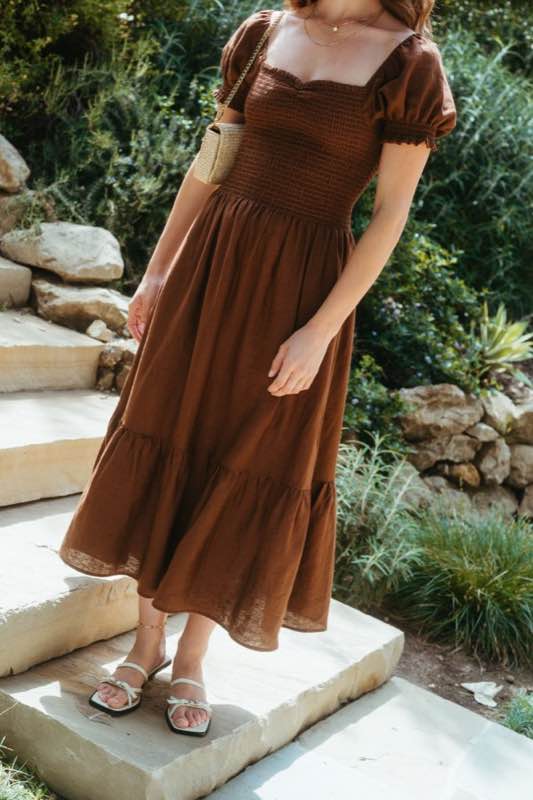
Whimsy + Row was founded in Los Angeles in 2014 by Rachel Temko, initially cutting collections entirely from deadstock fabric after her first capsule sold out. It still produces in small batches close to its LA base and uses a waitlist to test demand before restocking anything.
The range is linen-heavy, relaxed and much quieter than most of this list. Slip dresses, jumpsuits, easy separates.
Best for the shopper who wants natural fibres and US-made production without a designer price. If you want statement dresses, look at Staud or Sabina Musayev instead.
8. SIR the Label
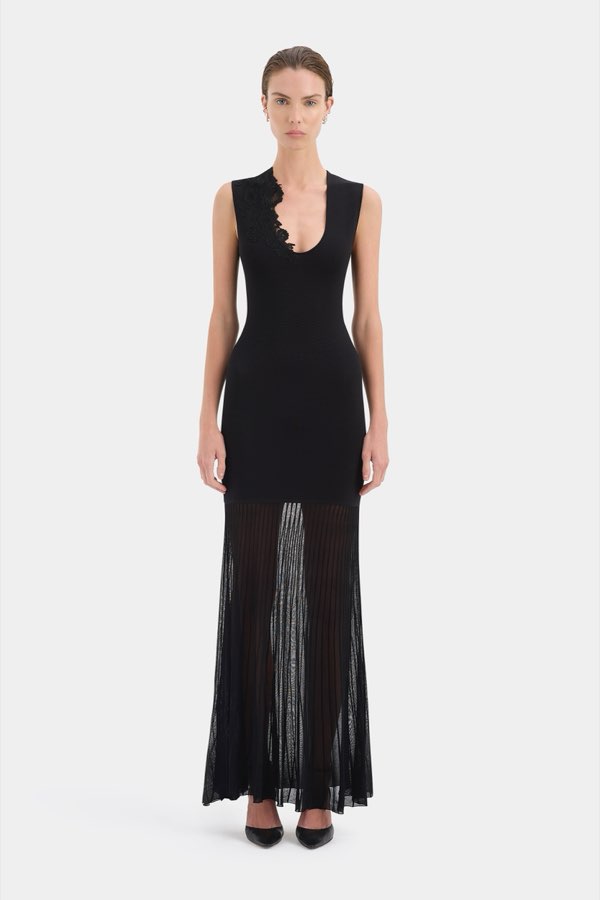
SIR the Label was started in 2014 by Nikki Campbell and Sophie Coote while they were living in Bali. The name is short for Separates, Intimates and Ready-to-wear, and the brand made its reputation on linen.
The look is restrained: clean lines, soft tailoring, a lot of ivory and black. It is the grown-up end of this list, and the pieces photograph as expensive because they are cut well.
Best for the shopper who wants femininity without ruffles. Australian shipping and returns to the US take longer, so build that into any size gamble.
9. Spell
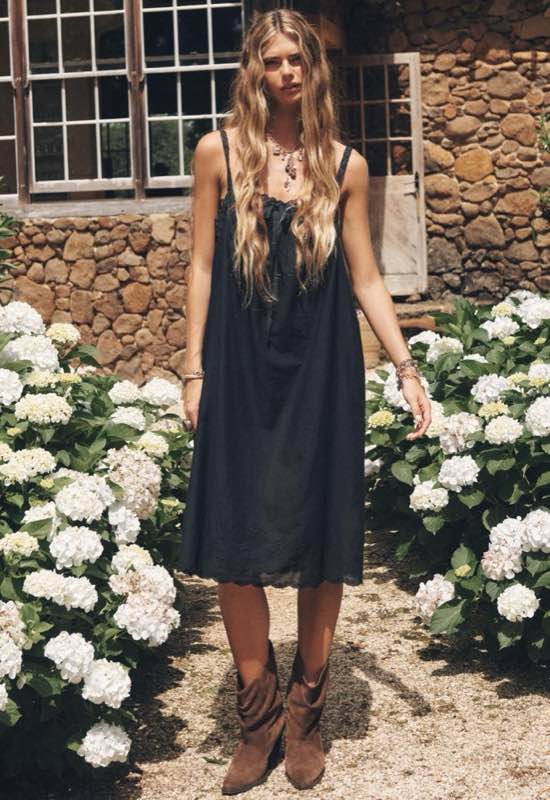
Spell began as a market stall in Byron Bay run by sisters Isabella Pennefather and Elizabeth Abegg, selling handmade jewellery before clothes took over. The house style is boho: prints, tiers, flow, plenty of movement.
Usefully, the site lets you filter by organic fibre and artisan-made, so you can shop the natural-fibre part of the range directly instead of checking every label.
Best for festival dressing, holidays and anyone who found Reformation slightly too sleek. Not the pick if you want structure.
10. Farm Rio
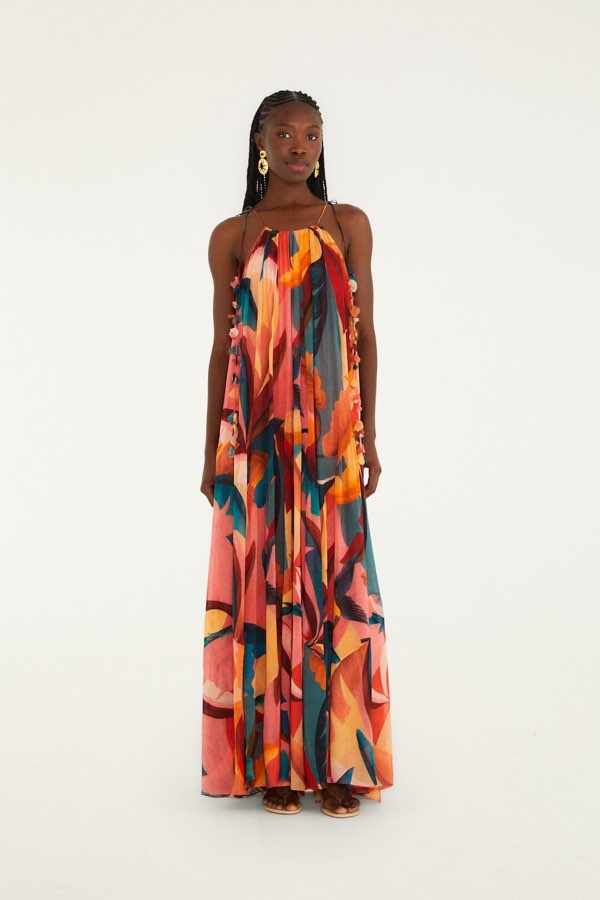
Farm Rio has been running since 1997, when Kátia Barros and Marcello Bastos started selling prints from a market booth in Rio de Janeiro. It is the loudest brand here by a distance, all tropical colour and hand-drawn print.
The brand plants a tree for every purchase and says it has now passed one million trees planted across Brazilian biomes.
Best for the shopper who wants colour rather than neutrals, and for holiday wardrobes. If your closet is beige, this will feel like a different sport.
11. With Jéan
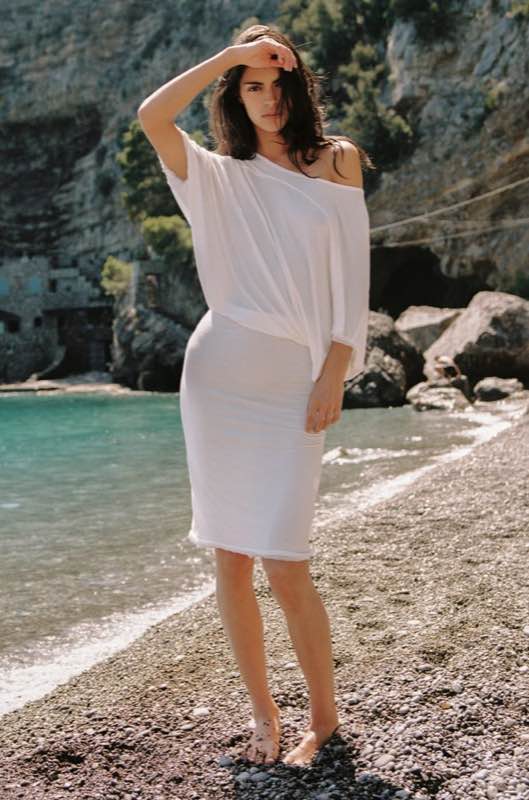
With Jéan started in 2017 when friends Evangeline Titilas and Sami Lorking-Tanner set out to design one good top to wear with jeans. The dresses took over, and the going-out pieces now sit at prices well under Reformation's.
Collections drop in limited runs, which is part of the appeal and also the catch, since restocks are not guaranteed.
Best for the shopper who wants the party-dress look for less. For the same instinct applied to everyday pieces, our roundup of affordable factory-direct alternatives covers that end of the market properly.
12. Sabina Musayev
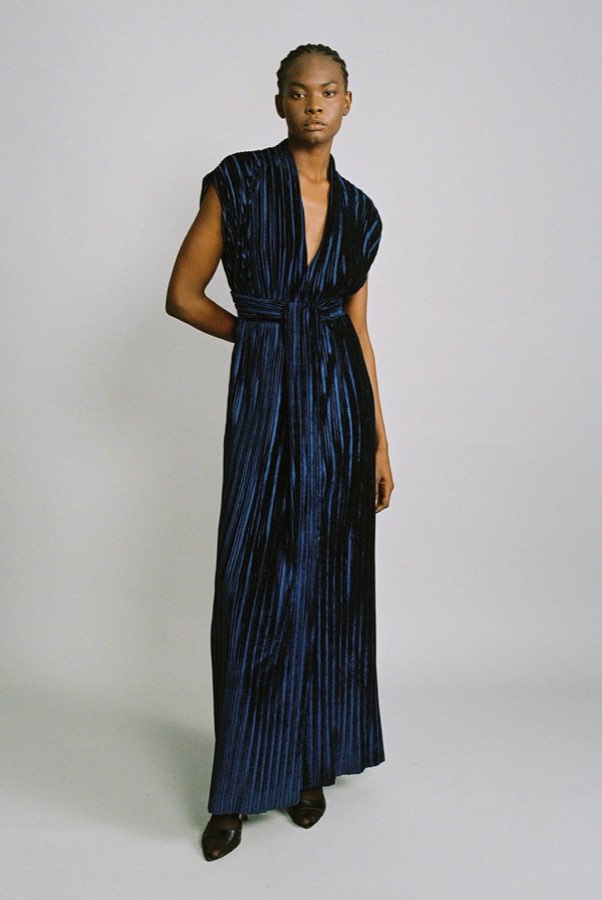
Sabina Musayev was established in 2011 by Sabina Moyal Musayev and Meir Moyal. Musayev trained at Shenkar College and grew up in a third-generation tailoring family in Baku, and it shows in the construction: ruching, pleating, dresses that actually hold a shape.
The occasion pieces are the reason to know the brand, and they are carried on Rent the Runway, Anthropologie and Farfetch if you want to try before committing.
Best for wedding guests and event dressing, where Reformation's simpler cuts sometimes read too casual.
How to choose between them
Start with the occasion, not the brand. Most of these labels are excellent at one job and average at the others, which is the opposite of how they market themselves. For a wider view of the same category, our guide to the best DTC clothing brands maps how these labels sit against the bigger direct-to-consumer names.
If you want it to last: Sézane, DÔEN or SIR the Label. Natural fibres, structured construction, and pieces that survive a wash cycle without disappointing you.
If fabric sourcing is the point: Christy Dawn for traceable cotton, Whimsy + Row for deadstock, Faithfull for a certification you can look up. Read each brand's own claims rather than a third-party summary, including ours. If you want a broader shortlist, our roundup of sustainable clothing brands covers labels beyond womenswear.
If you need a dress for an event: Sabina Musayev or Staud. Réalisation Par if the dress code allows a silk slip.
If you want the look for less: With Jéan for going out, Spell and Farm Rio for holiday. And if what you actually want is the same quality logic applied to plain tees, denim and knitwear, that is a different search: our Everlane alternatives page handles transparent basics instead.
If you are building a full outfit: most of these brands do clothes only, so shoes are their own decision. Our washable, sustainable shoe picks cover that gap.
One practical habit worth keeping: before you check out anywhere, read the composition line. A 100% silk slip, a linen midi and a viscose blend at the same price are three very different purchases, and the product photo will never tell you which is which.
Frequently asked questions
What brand is most similar to Reformation?
Staud, for the plainest possible reason. Sarah Staudinger was Reformation's fashion director before she launched it in 2015, so the silhouettes come from the same design instinct. It sits at a higher price with bolder colour and print.
Is there a cheaper version of Reformation?
With Jéan is the closest for going-out dresses at a lower price, and Spell covers the boho end. For everyday pieces rather than occasion dresses, the affordable factory-direct brands cover that territory better than any of the labels here.
Is Reformation actually sustainable?
The brand publishes fibre ratings and sustainability reporting, and independent critics have argued the picture is mixed, pointing out that standard viscose scores a "C" on Reformation's own A-to-E scale and that more than half its materials are conventional. Read the composition on the product page and decide for yourself.
Why do Reformation dresses not last?
The usual answer from long-term reviewers is fibre. Viscose is prone to clinging, stretching and losing shape with repeated wear, and it makes up a lot of the dress range. The linen and cotton styles tend to hold up considerably better.
Which brands like Reformation use natural fabrics?
Réalisation Par builds its dresses from 100% silk, SIR the Label and Whimsy + Row are both linen-led, and Christy Dawn works in deadstock and its own regeneratively farmed cotton. DÔEN is also reviewed well on fibre quality.
Are there brands like Reformation with extended sizing?
This is the weak spot across the category. Sézane stops at 1XL, and several of the smaller Australian labels run narrower still. Check each brand's size chart before ordering rather than assuming your usual size carries over.
Where can I find Reformation-style dresses for a wedding?
Sabina Musayev is the specialist, with ruched and pleated occasion dresses and a presence on Rent the Runway if you would rather borrow. Staud and DÔEN both work for less formal weddings, and Faithfull is the pick for anything on a beach.